Radio Shuttle Storage systems are revolutionizing smart warehousing in China. According to Dr. John Lee, a leading expert in automated storage solutions, “Radio Shuttle Storage optimizes space and increases efficiency.” This technology allows for better inventory management and faster retrieval times, creating a significant competitive advantage for businesses.
In recent years, Chinese warehouses have adopted Radio Shuttle Storage at a rapid pace. This system employs autonomous shuttles that navigate through racking systems. Despite its many benefits, there are challenges in implementation. Companies often struggle with integration into existing setups and workforce training.
Adaptability is crucial for success in this evolving landscape. Organizations must learn from past mistakes to streamline their operations. Embracing Radio Shuttle Storage is not just about technology; it requires a cultural shift in how warehouses operate. Understanding these dynamics can help companies harness the full potential of smart warehousing solutions.
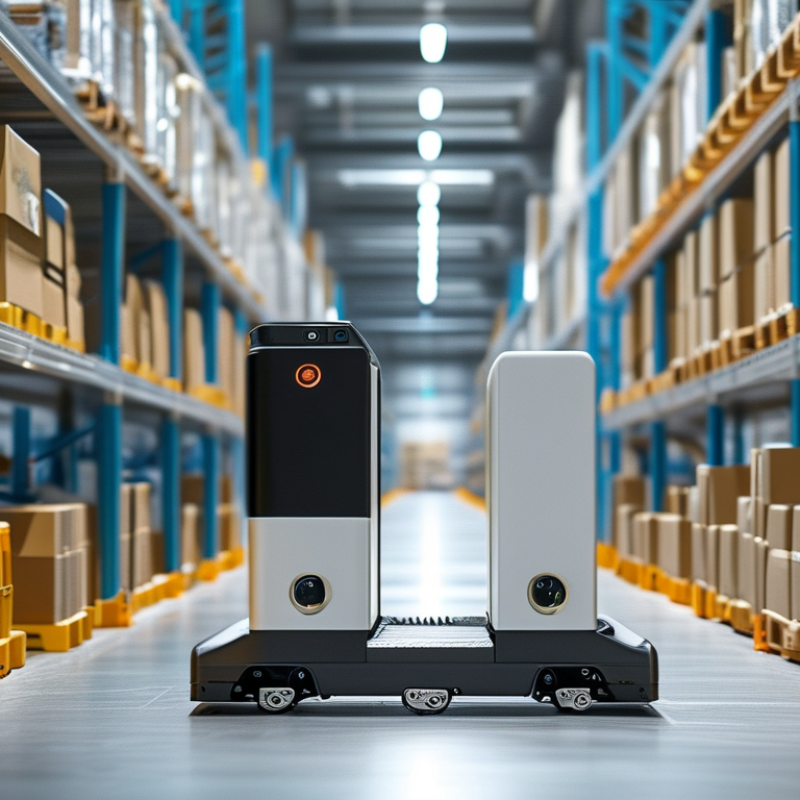
Smart warehousing integrates cutting-edge technology to enhance efficiency and productivity. Systems like automated storage and retrieval systems (ASRS) have gained momentum. According to a recent report by the Material Handling Industry of America, the global market for smart warehouses is expected to reach $50 billion by 2025. This rapid growth showcases the increasing reliance on technological advancements.
Robotic automation plays a crucial role in smart warehousing. A study from McKinsey suggests that automation could boost productivity by 20-25% in the coming years. Such systems can help reduce labor costs and improve order accuracy. However, implementing these technologies poses challenges. Companies must invest significantly in training workers to adapt to new systems.
Data-driven decision-making is another essential feature of smart warehousing. Real-time analytics can optimize inventory management and supply chain processes. A report from Deloitte highlights that companies using big data analytics in warehousing can enhance operational efficiency by 15%. This potential improvement may not be easily achieved without careful integration of systems. The journey toward fully automated warehouses may require iterative improvements and continuous learning from past deployments.
Radio shuttle storage systems provide innovative solutions for smart warehousing. These systems enhance space utilization and improve inventory management.
One significant feature is their ability to operate in high-density storage environments. By enabling multiple pallets to be stored in a narrow aisle, they maximize warehouse capacity.
Another vital aspect is their automated operation. The radio shuttle transports pallets in and out of storage locations without manual intervention. This automation reduces labor costs and minimizes the risk of human error. Additionally, the systems support a wide variety of pallet sizes and weights, making them versatile for different applications.
However, integrating radio shuttle systems can present challenges. They require a proper initial setup and staff training for optimal operation. Facilities need to consider their unique requirements before implementation.
While the technology offers efficiency, reflection on specific needs is vital. Careful planning will ensure that the advantages outweigh any potential drawbacks.
Radio shuttle storage systems have gained popularity in China, especially in smart warehousing. These systems enhance storage efficiency and optimize space. They allow for high-density storage while facilitating quick inventory access. This is crucial for operations that require rapid turnover and accurate stock management.
One significant advantage is the ability to automate processes. Automation helps reduce labor costs and minimizes human error. In busy warehouses, time is precious. Radio shuttles can ferry goods swiftly between aisles. This not only speeds up operations but also improves safety by reducing the need for manual handling. Furthermore, their adaptable design means warehouses can easily modify layouts as needs change.
However, implementing such a system is not without challenges. There’s a need for initial investment and staff training. Some workers may resist these changes, preferring traditional methods. It’s essential to address these concerns to ensure a smooth transition. Additionally, regular maintenance is crucial to avoid service interruptions. Embracing this modern solution requires careful planning and reflection on both benefits and potential pitfalls.
| Features | Advantages | Applicable Industries | Space Utilization (%) | Return on Investment (ROI) % |
|---|---|---|---|---|
| High-density storage | Maximizes warehouse space | E-commerce | 85% | 30% |
| Automated retrieval system | Reduces labor costs | Food and Beverage | 90% | 25% |
| Flexible layout | Adapts to different products | Electronics | 80% | 28% |
| Enhanced safety features | Minimizes accidents | Pharmaceuticals | 88% | 32% |
In recent years, radio shuttle storage solutions have gained traction in China's warehousing sector. These systems are designed to optimize space and improve efficiency. A notable case involved a large e-commerce distribution center in Shanghai. They implemented a radio shuttle system to increase their storage capacity. With automated shuttles operating in narrow aisles, they maximized their available space. The system allowed for quick retrieval of goods, reducing overall handling time.
Another example comes from a cold storage facility in Beijing. The company faced significant challenges with outdated storage methods. After transitioning to a radio shuttle system, they reported a 30% increase in productivity. This shift not only improved space utilization but also enhanced temperature control. However, integration with existing systems posed difficulties. The learning curve for staff was steep, highlighting a need for better training and change management strategies.
Despite the benefits, challenges remain. Not all operations are suitable for radio shuttle storage. Some companies struggled with maintenance issues and equipment reliability. Regular assessments of the technology are essential. Ensuring that the system aligns with operational goals can lead to long-term success. Addressing these challenges allows for a more nuanced understanding of the technology's impact on warehousing efficiency.
The future of radio shuttle technology in warehousing appears bright, with advancements reshaping traditional practices. Smart warehousing demands efficient, automated systems. With the rise of e-commerce, the need for swift storage solutions becomes critical. Radio shuttle systems offer flexibility and adaptability, making them ideal for modern warehouses.
Many facilities are adopting this technology. However, they still face challenges. Integrating shuttles with existing systems can be tricky. Maintaining compatibility with warehouse management systems is essential. This requires thoughtful planning and execution. Attention to detail can minimize potential disruptions in operations.
Emerging trends include enhanced communication between devices. Innovations such as AI and machine learning are making radio shuttles smarter. These technologies improve inventory management and accuracy. Though beneficial, this progress necessitates ongoing staff training. Employees must stay updated to adapt to new tools.
: Smart warehousing uses advanced technology to improve efficiency and productivity in storage and logistics.
Robotic automation can boost productivity by 20-25%. It reduces labor costs and enhances order accuracy.
Data-driven decision-making uses real-time analytics to optimize inventory management and supply chain processes.
A radio shuttle system automates pallet transport in storage, improving space utilization and operational efficiency.
Initial setup and staff training may be difficult. Assessing unique requirements is crucial for success.
They speed up goods movement and enhance safety, reducing the need for manual handling.
Initial investment and potential employee resistance can hinder transitions. Planning is vital to mitigate issues.
Companies must invest in training and carefully consider their specific needs before adopting new technologies.
These systems maximize storage capacity by allowing multiple pallets to be stored in narrow aisles.
Yes, regular maintenance prevents service interruptions and ensures reliable operation over time.
The article explores the transformative role of Radio Shuttle Storage in the realm of smart warehousing in China. It begins with an overview of smart warehousing concepts and how emerging technologies integrate to optimize logistics and inventory management. Key features of Radio Shuttle Storage systems are highlighted, emphasizing their efficiency, high-density storage capabilities, and adaptability to various warehouse layouts.
Furthermore, the article delves into the advantages of implementing Radio Shuttle Storage in Chinese warehouses, such as increased space utilization and reduced labor costs. Case studies of successful implementations illustrate the effectiveness of these systems in enhancing operational performance. Finally, the discussion on future trends in Radio Shuttle technology reveals ongoing innovations aimed at further increasing productivity and efficiency in warehousing solutions, signaling a promising direction for the industry.

Xinmiao Storage