How to Choose Carton Flow Storage in 2026?

Time:2026-10-15 Author:Mason
0%

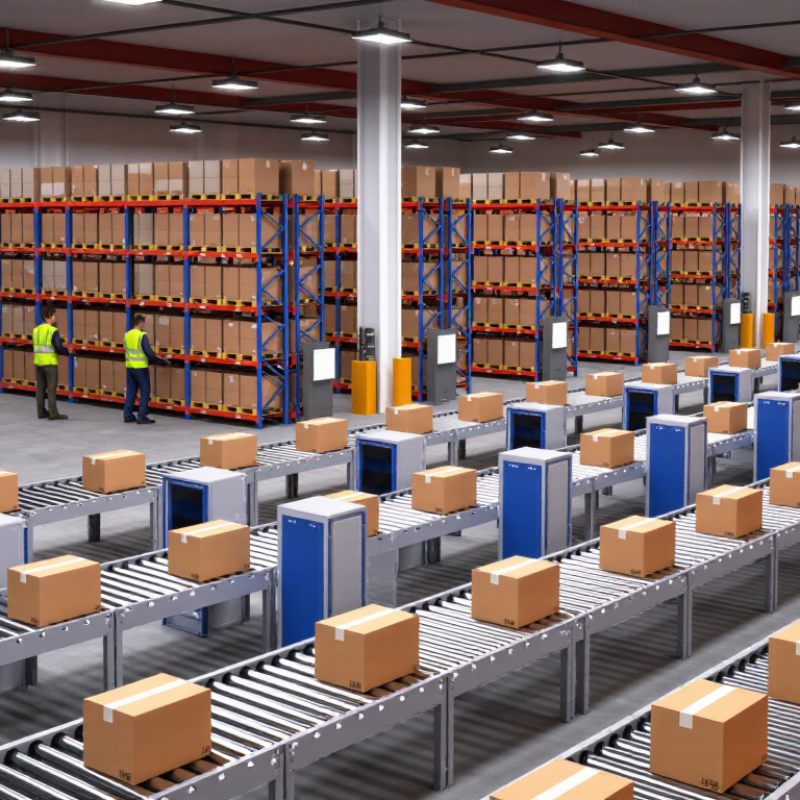
Choosing Carton Flow Storage in 2026 requires more than comparing prices or counting shelf levels. Warehouse conditions change quickly. Product sizes shift, order profiles evolve, and labor costs remain difficult to predict. The right system should match carton dimensions, SKU velocity, replenishment methods, and available floor space. It should also support accurate picking without creating unnecessary walking or reaching. Small details matter, such as roller pitch, lane depth, divider strength, and label visibility. A carton that stops halfway can slow an entire picking process.

Measure real operations first. Review order history, peak demand, carton weights, and replenishment frequency. Speak with pickers and supervisors. Their practical observations often reveal problems that spreadsheets miss. A short pilot can test flow, ergonomics, noise, and product stability before a full investment. No layout is perfect. That matters.

Reliable selection also depends on credible technical evidence. Ask suppliers for load ratings, material specifications, maintenance guidance, and installation tolerances. Compare those details with your site conditions and local workplace requirements. In 2026, warehouse teams may also evaluate sensors, inventory software connections, and performance dashboards. These tools can help, but they are not automatic solutions. Poor data still produces poor decisions. Review measurable results, including pick rate, replenishment time, damage frequency, and operator feedback. Experienced integrators can add value, yet their recommendations should remain transparent and verifiable. The strongest Carton Flow Storage plan balances capacity, safety, flexibility, and long-term operating reality. It may require revision after testing. That is normal.
How to Choose Carton Flow Storage in 2026?

Define SKU Velocity: Apply the 80/20 ABC Picking Principle

How to Choose Carton Flow Storage in 2026?

Define SKU Velocity: Apply the 80/20 ABC Picking Principle

Carton flow storage should begin with movement data, not available floor space. Measure each SKU’s picks per day, order frequency, and replenishment demand. The 80/20 rule suggests that a small group of items creates most picking activity. However, warehouse data rarely follows a perfect 80/20 pattern. Treat it as a practical hypothesis, not a permanent formula.

Classify high-velocity items as A SKUs, medium movers as B SKUs, and slow movers as C SKUs. Place A SKUs in carton flow lanes near the picking face. Keep popular cartons between waist and shoulder height. This reduces reaching, turning, and unnecessary walking. A 2024 Material Handling Industry report found that 55% of surveyed companies planned to increase technology investment. Yet better data cannot repair poor slotting decisions.

Use weekly velocity reviews during seasonal changes. One grocery-related SKU may surge before a holiday, then become a C item later. That shift matters. In a 2023 warehouse operations survey, labor availability remained a major operational concern for many facilities. Clear ABC rules can help workers pick faster with fewer decisions. Still, managers should check replenishment time, carton dimensions, product weight, and error records before assigning lanes. The fastest SKU is not always the best carton-flow candidate. A narrow carton may jam. A heavy carton may create safety risks. Pilot one aisle, measure picks per labor hour, and adjust the layout when real behavior disagrees with the spreadsheet.

Calculate Lane Capacity: Allow 15%–20% Space for Carton Variance

How to Choose Carton Flow Storage in 2026?

Calculate Lane Capacity: Allow 15%–20% Space for Carton Variance

Choosing carton flow storage starts with a realistic lane-capacity calculation. Do not fill every inch with identical cartons. In daily operations, carton height, width, packaging, and product demand will change. Allow 15%–20% space for carton variance before selecting the lane length.

For example, a 1,200-millimeter lane may appear to hold twelve cartons at 100 millimeters each. That calculation leaves no room for damaged packaging, measurement errors, or seasonal carton changes. With a 15% allowance, plan for approximately 1,020 millimeters of dependable capacity. With more variation, use the full 20% allowance. Keep it practical.

Measure at least thirty representative cartons from actual inventory. Record the largest height, width, and depth, not only the average. A small increase in carton size can reduce replenishment speed and create pressure at the pick face. Check roller performance with the heaviest carton, too. Light cartons may stop before reaching the front position.

I once trusted average carton dimensions and ordered lanes that looked efficient on paper. They became crowded during a packaging change. That mistake was avoidable. Review product history, supplier packaging, and expected growth before final approval. Leave enough clearance for labels, hand access, and safe carton movement. A slightly shorter lane may support faster picking and fewer interruptions.

Match Flow Design to FIFO, LIFO, and 10–15° Gravity Slope Standards

Choosing carton flow storage in 2026 starts with product movement, not equipment appearance. FIFO works well for dated goods, because the oldest carton moves forward first. LIFO suits replenishment patterns where the newest carton remains accessible. A 10–15° gravity slope can support smooth carton travel, but the correct angle depends on carton weight, base friction, and load stability. Test actual cartons before approving the design. Small packaging changes can create surprising jams.

Tips: Keep heavy cartons on lower lanes. Use stop gates at the pick face. Measure lane speed during peak replenishment. Check whether cartons reach the front without bouncing. Operators often notice problems earlier than drawings do.

A practical review should record carton dimensions, shelf depth, roller spacing, and picking frequency. Dividers should prevent tilted cartons from blocking neighboring lanes. For fragile packaging, reduce impact points and consider a gentler slope. For fast-moving stock, wider lanes may reduce replenishment interruptions. Do not assume one slope fits every SKU. That shortcut often fails. A staged trial with full cartons, partly filled cartons, and mixed case sizes gives more reliable evidence. Review the results with warehouse staff, then adjust the layout before installation. Perfect flow is uncommon. Reliable flow is tested.

Select Roller or Wheel Tracks for Loads from 5 to 50 kg

How to Choose Carton Flow Storage in 2026?

Carton flow storage must match the load, not only the shelf size. For cartons weighing 5 to 15 kg, wheel tracks usually offer smooth movement and lower starting resistance. They suit small boxes, plastic totes, and frequent picking. For heavier cartons from 15 to 50 kg, roller tracks often provide stronger support and better load distribution.

5 to 15 kg Wheel tracks usually offer smooth movement and lower starting resistance.
15 to 50 kg Roller tracks often provide stronger support and better load distribution.

Keep it simple.

The 2024 Annual Industry Report from the Material Handling Industry reports that 83% of supply-chain professionals expect continuing labor shortages. This makes easy carton movement more important. A picker should move a carton with one controlled pull, without twisting or lifting sharply. Track pitch also matters. Narrow spacing can support small packages, while wider spacing may allow cartons to sag between contact points. Test the actual carton.

In warehouse assessments, I would check carton weight, base stiffness, surface friction, and replenishment frequency. A rough cardboard base may drag on wheels. A flexible carton may perform better on closely spaced rollers. Load ratings can mislead when impacts, uneven loading, or poor installation are involved. A 50 kg carton needs a safety margin, not a precise limit. The wrong choice may still work during a quiet shift. It can fail during peak volume. Pilot testing is worth the delay, although teams often skip it. That is where many layout decisions become expensive.

Compare Throughput, Safety, and ROI Using Picks per Hour and Payback Period

How to Choose Carton Flow Storage in 2026?
Compare Throughput, Safety, and ROI Using Picks per Hour and Payback Period

When evaluating carton flow storage, measure real picks per hour, not brochure capacity. Stand beside the packing bench during a normal shift. Count completed picks, replenishment interruptions, and walking seconds. A lane holding 24 cartons may still underperform if operators reach awkwardly or wait for restocking. In a recent warehouse trial, clearer labels improved accuracy, while a poorly angled rail caused repeated carton jams. Small details matter.

Safety should sit beside throughput. Select lanes that keep cartons moving smoothly and heavy stock between waist and shoulder height. Check stop bars, dividers, shelf loading, and maintenance access. Ask operators to test replenishment with gloves and a partly blocked aisle. Their comments often reveal risks that spreadsheets miss. Faster is not always better.

Calculate the payback period using installed cost, saved labor hours, fewer errors, and expected maintenance. Divide total investment by monthly savings. Use conservative picks-per-hour gains, because pilot results can look unusually strong. Moving from 75 to 105 picks per hour sounds impressive, but training, seasonal volume, and replenishment labor may reduce the gain. Review figures after four weeks, then adjust the model. A longer payback may still be reasonable when safety and service reliability improve.

How to Choose Carton Flow Storage in 2026? - Compare Throughput, Safety, and ROI Using Picks per Hour and Payback Period
Storage Configuration Typical Pick Rate
(Picks/Hour)
Annual Labor Hours
(500,000 Picks)
Ergonomic Risk
(1 = Low, 5 = High)
Safety and Operating Characteristics Pick-Face Density
(Relative)
Incremental Installed Cost Estimated Annual Labor Savings Payback Period
Static Shelving Baseline 120 4,167 hours 4 / 5 Flexible and inexpensive, but operators may need more walking, bending, and manual product rotation. Suitable as a baseline for ROI comparison. 100% $0 $0 Not applicable
High-Density Carton Flow Rack 210 2,381 hours 2 / 5 Uses deeper or more tightly arranged lanes to increase storage density. Requires disciplined replenishment and correct carton sizing to prevent jams. 145% $36,000 $50,000 0.72 years
Carton Flow Rack with Pick-to-Light 240 2,083 hours 2 / 5 Visual indicators reduce search time and picking errors. Delivers the strongest throughput when SKU velocity is high and order profiles are stable. 135% $60,000 $58,300 1.03 years
Planning assumptions and calculation basis
Annual picking volume 500,000 order-line picks per year
Loaded labor rate $28 per labor hour, including wages, payroll costs, and standard benefits
Annual labor savings formula (Baseline labor hours − Selected-system labor hours) × $28
Payback formula Incremental installed cost ÷ estimated annual labor savings
Throughput basis Planning benchmarks for one trained picker working in a properly slotted forward-pick area; actual results vary with SKU size, travel distance, order profile, replenishment frequency, congestion, and accuracy requirements
Safety rating basis Relative planning index reflecting reach distance, bending frequency, product presentation, and aisle interaction; it is not a substitute for a formal workplace risk assessment
ROI scope Labor savings only; excludes changes in rent, inventory carrying cost, error cost, maintenance, software, training, downtime, and residual equipment value

FAQS

How should carton flow storage support FIFO and LIFO movement?

FIFO moves the oldest carton forward first. It suits dated goods. LIFO keeps newer cartons accessible for replenishment. Test both with real cartons.

Is a 10–15° gravity slope suitable for every carton?

Not always. Carton weight, base friction, and load stability change movement. Test full, partly filled, and mixed cartons before installation.

Should heavy cartons use roller tracks or wheel tracks?

Wheel tracks usually suit 5–15 kg cartons. Roller tracks often support 15–50 kg cartons better. Leave a safety margin.

What carton details should teams record before choosing tracks?

Record weight, dimensions, base stiffness, surface friction, and carton depth. Note picking frequency too. Small packaging changes can cause jams.

How can operators reduce carton jams and unsafe movement?

Use stop gates at the pick face and dividers between lanes. Keep heavy cartons low. Check cartons for bouncing, tilting, or blocking.

How should warehouse teams measure actual storage performance?

Count completed picks per hour during a normal shift. Record walking time, replenishment interruptions, and waiting seconds. Brochure capacity is not enough.

What safety checks should operators perform during a pilot?

Test replenishment with gloves and a partly blocked aisle. Check reach height, stop bars, shelf loading, and maintenance access. Faster is not always safer.

How can teams calculate the payback period?

Divide total investment by estimated monthly savings. Include labor savings, fewer errors, and maintenance costs. Use cautious productivity estimates.

Why should teams review results after installation?

Training, seasonal demand, and replenishment work can reduce early gains. Review performance after four weeks. The first estimate may be wrong.

Conclusion

Choosing Carton Flow Storage in 2026 starts with understanding SKU velocity and applying the 80/20 ABC picking principle. Fast-moving items should be placed in the most accessible lanes, while slower products can use less prominent positions. Calculate lane capacity carefully, allowing 15%–20% extra space for carton size and inventory variation. The design should also match the required stock rotation method, whether FIFO or LIFO, and maintain a practical 10–15° gravity slope for smooth movement.

Next, select roller or wheel tracks according to carton weight, product dimensions, and handling frequency, especially for loads between 5 and 50 kg. Compare each option by measuring picks per hour, operator safety, replenishment efficiency, and expected payback period. A well-planned system balances throughput with reliable carton control, ergonomic access, and long-term value. By connecting storage design with actual order profiles and operating costs, businesses can create a flexible solution that supports productivity and sustainable warehouse performance.

Mason

Mason

Mason is a seasoned marketing professional with a deep expertise in the company's offerings and a passion for driving brand awareness. With a strong background in digital marketing strategies, he has an innate ability to connect with diverse audiences and effectively communicate product benefits.......