In today's fast-paced logistics environment, optimizing warehouse efficiency is paramount. Experts in the field highlight the innovative role of Mezzanine Systems. Sarah Thompson, a noted industry specialist, once stated, “Mezzanine Systems dramatically enhance space utilization and operational flow.” This statement underscores the growing prominence of these structures in modern warehouses.
Mezzanine Systems provide valuable additional space without the need for costly building expansions. They allow businesses to create multi-level storage areas, thereby maximizing vertical space. This approach not only improves inventory management but also enhances workflow efficiency. However, implementing these systems requires careful planning and execution.
One must also consider the potential challenges. While Mezzanine Systems offer significant benefits, they may not suit every warehouse layout. Organizations must assess their unique needs and limitations. Striking the right balance between additional space and operational efficiency is crucial for success. Addressing these nuances can lead to better decision-making in warehouse design.
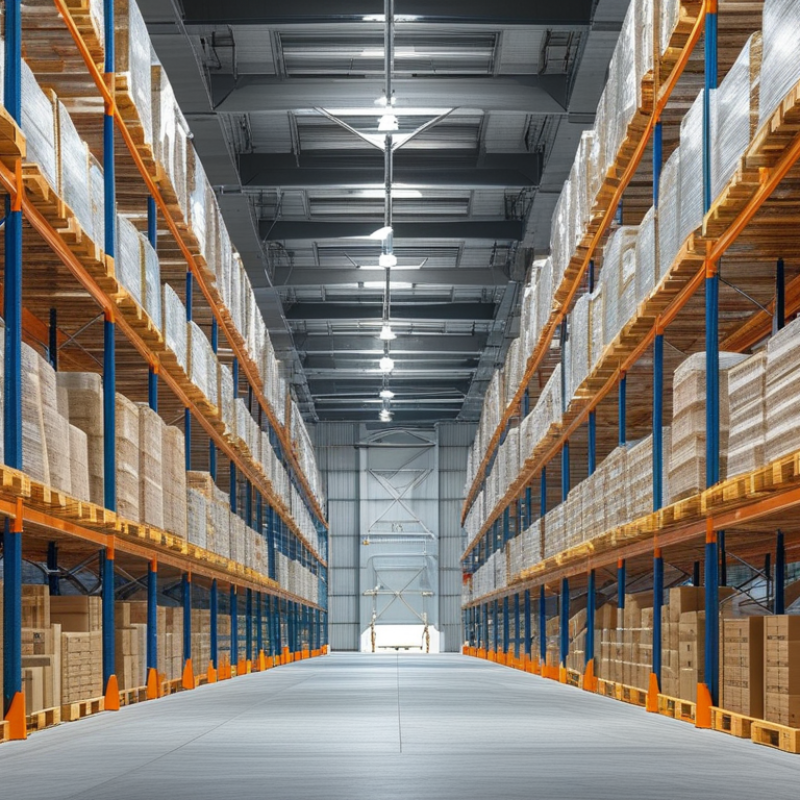
Mezzanine systems serve as a flexible solution for enhancing warehouse efficiency. They allow businesses to make the most of vertical space. This is especially crucial in environments where ground space is limited. Adding a mezzanine can create additional storage areas, office spaces, or even picking stations. These structures can often be installed without extensive renovations.
Maximizing space is not without its challenges. Proper design is essential to ensure safety and functionality. Mezzanine systems should be tailored to the specific needs of the operation. Regular assessments are necessary to identify potential bottlenecks. It's vital to consider the weight capacity and accessibility of each level.
While mezzanine systems offer numerous benefits, they also require ongoing attention. Maintenance is crucial to prevent wear and tear, which can lead to safety issues. Operators must ensure compliance with safety regulations. Some facilities may hesitate to utilize vertical space fully due to concerns about safety. It’s important for businesses to weigh these factors honestly. Making informed decisions can optimize both efficiency and safety.
Mezzanine systems play a vital role in warehouse design. They maximize vertical space, enhancing storage capacity. Typically, these systems consist of platforms, ramps, and handrails. The platforms increase usable area without expanding the building's footprint. This setup allows for organized inventory management, which can lead to efficiency in operations.
A critical component of mezzanine systems is the structural framework. It must be sturdy enough to support heavy loads. Choice of materials affects durability and safety. Ramps facilitate easy access for forklifts. Handrails ensure safe movement between levels, reducing accident risks.
While mezzanine systems offer significant benefits, planning is essential. Poor layout can lead to inefficiencies and safety concerns. Analyzing workflows can highlight potential issues. Regular inspections of the system are also crucial. This keeps operations smooth and ensures compliance with safety regulations.
Mezzanine systems are gaining traction in the warehouse sector due to their ability to enhance storage efficiency. Research from the Warehousing Education and Research Council indicates that effective use of space can increase storage capacity by up to 40%. This significant gain allows businesses to maximize their existing footprints without incurring the high costs associated with expanding physical locations.
Implementing mezzanine solutions typically involves building an additional level within a warehouse, creating a multi-tiered storage system. This configuration can lead to reductions in labor costs and improved inventory management. In recent studies, it’s been noted that companies report a 30% decrease in time spent locating products. However, the integration of this system requires thoughtful planning to ensure accessibility and safety standards are met.
Despite these advantages, some companies struggle with the initial investment and design complexity. It’s crucial to assess operational needs thoroughly before implementation. A poorly designed mezzanine can hinder workflow and negate potential benefits. Reflecting on real-world applications offers valuable insights; companies must adapt to unique challenges while considering how best to use vertical space for optimal efficiency.
When designing mezzanine installations, optimizing space is crucial. A well-planned mezzanine can increase storage capacity by up to 50%. However, it's essential to assess your warehouse layout before adding a mezzanine. Many businesses overlook the importance of airflow and lighting, which are vital for worker safety and productivity.
The integration of mezzanine systems involves careful planning. Utilize warehouse measurements to ensure proper height clearance and weight distribution. According to a report from the Warehousing Education and Research Council, more than 30% of warehouse inefficiencies stem from poor layout planning. This statistic highlights the need for strategic positioning of staircases and safety railings to facilitate efficient movement.
Before installation, consider the future needs of your operation. Flexibility is key. Mezzanines that accommodate changes in inventory levels can adapt over time. Insufficient analysis in this area is common and can lead to wasted costs. Regularly review operation needs and adjust mezzanine designs accordingly. In many cases, the initial installation does not fully reflect the evolving nature of inventory management.
Mezzanine systems can enhance warehouse efficiency significantly. However, implementing these systems comes with challenges. Space maximization is one issue. Many warehouses do not utilize vertical space effectively. A study by the Material Handling Industry of America indicates that up to 30% of warehouse space could be underutilized. This means lost opportunity for increased storage and streamlined operations.
Another common challenge is the need for proper design and load-bearing capacity. Ignoring these can lead to safety risks and operational downtime. An analysis from the Occupational Safety and Health Administration (OSHA) highlights that improper design might result in structural failures. Warehouse managers need to evaluate the load requirements carefully. Consulting structural engineers can provide insights to avoid costly mistakes.
Additionally, staff training is often overlooked. Many workers may not be familiar with mezzanine systems. A survey by the Warehouse Education and Research Council found that only 40% of employees are adequately trained on new systems before implementation. Proper training can enhance safety and operational efficiency. Addressing these challenges proactively can lead to successful mezzanine system utilization, thus improving overall warehouse performance.
: Mezzanine systems maximize vertical space, enhancing storage capacity without expanding building footprints.
Key components include platforms, ramps, and handrails. These elements enhance usability and safety.
Effective use of mezzanine systems can increase storage capacity by up to 40%, optimizing existing space.
Analyze operational needs, layout, and safety concerns to ensure the mezzanine system meets requirements.
Overlooking airflow, lighting, and poor layout can hinder workflow and create safety issues.
They can reduce the time spent locating products by as much as 30%, enhancing efficiency.
Inspections ensure safety compliance and smooth operations, preventing potential issues from arising.
Regularly review and adjust designs based on evolving inventory needs to avoid wasted costs.
Mezzanines should adapt to inventory changes, as inflexible designs may not serve long-term needs.
Initial investment and design complexity can create barriers that require careful consideration before proceeding.
Mezzanine Systems play a crucial role in optimizing warehouse efficiency by providing an effective solution for maximizing vertical space. These systems consist of various key components, including platforms, support structures, and access points, which are designed to enhance storage capacity and workflow. By integrating mezzanine systems into warehouse design, businesses can significantly improve their storage efficiency, utilizing previously underused vertical areas to accommodate more inventory.
Implementing mezzanine systems comes with several benefits, such as increased load-bearing capacity and improved organization within the warehouse. However, careful planning and best practices are essential for successful design and installation. It's important to consider factors like layout and accessibility to address common challenges that may arise. By following recommended guidelines, organizations can effectively leverage mezzanine systems to create a more functional and efficient warehouse environment.

Xinmiao Storage