China Top Steel Platforms Manufacturers and Suppliers

Time:2026-10-10 Author:Isabella
0%

China has become a significant sourcing destination for Steel Platforms used in factories, warehouses, ports, and maintenance areas. Its manufacturers and suppliers serve both standard projects and demanding industrial applications. Their product ranges may include access platforms, work platforms, mezzanines, stair towers, catwalks, and modular structures.

A reliable supplier should understand more than steel fabrication. They should review load requirements, platform dimensions, surface treatment, guardrails, ladders, drainage, and installation conditions. Experienced manufacturers usually provide drawings, material details, welding procedures, inspection records, and practical production advice. Site measurements matter. A small error can affect assembly.

Common materials include carbon steel, galvanized steel, and stainless steel. Surface finishes may include hot-dip galvanizing, powder coating, or industrial paint systems. Buyers should confirm steel grades, coating thickness, weld quality, fastener specifications, and applicable safety requirements before production. Factory visits, sample inspections, and third-party testing can strengthen confidence when project risks are high.

China’s suppliers also offer cost advantages through established supply chains and flexible manufacturing capacity. However, low pricing alone is not dependable evidence of value. Communication gaps, unclear drawings, and changing specifications can create expensive delays. No supplier is perfect. Even a well-managed project may need revisions after a site review.

This guide examines leading China Steel Platforms manufacturers and suppliers, their capabilities, quality controls, customization services, and export experience. It also considers how buyers can compare quotations, verify technical claims, and select a partner suited to actual operating conditions. Practical judgment remains essential.
China Top Steel Platforms Manufacturers and Suppliers

Steel Platforms: Definition, Structure, and Main Applications

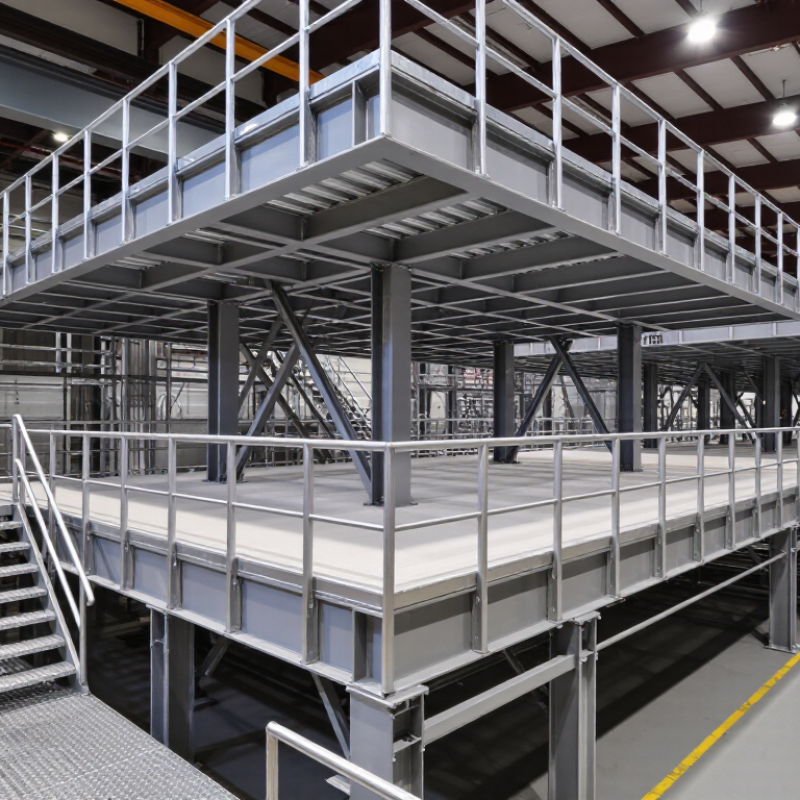
A steel platform is a raised working surface built to support people, equipment, or stored materials. It usually includes steel decking, primary beams, secondary joists, columns, bracing, stairs, and guardrails. Each part transfers loads through a clear structural path into the foundations or supporting frame. Plate, grating, and checker plate decks serve different needs. Grating improves drainage, while solid plates provide a firmer surface.

Steel platforms appear in factories, warehouses, power facilities, loading areas, and maintenance zones. They create access above machinery and help use vertical space efficiently. A well-designed platform considers live loads, vibration, impact, corrosion, fire exposure, and safe access. In field inspections, loose bolts, damaged welds, and blocked drains are common concerns. A platform may look strong. Small defects still matter. Even experienced teams can overlook water collecting beneath a solid deck.

Tips: Confirm the working load before fabrication. Keep stairs clear and guardrails continuous. Check welds, bolts, coatings, and drainage during regular inspections. Leave practical space for maintenance tools and worker movement. Do not treat corrosion protection as a cosmetic choice. Local engineering requirements should guide design, fabrication, and installation. Rechecking the load path is worthwhile, especially after equipment changes.

Types of Steel Platforms Manufactured in China

China’s steel platform manufacturers produce several practical types for factories, warehouses, ports, and energy facilities. Common designs include mezzanine platforms, equipment platforms, maintenance platforms, loading platforms, and modular work decks. Each type uses different structural priorities. Mezzanines maximize vertical storage, while maintenance platforms provide safer access around tanks, conveyors, and machinery.

The World Steel Association reported that China produced about 1.019 billion tonnes of crude steel in 2023. This large production base supports wide material choices, including carbon steel, galvanized steel, and weather-resistant grades. Factory-made grating, handrails, stair towers, and steel beams can be combined into project-specific systems. Some suppliers also manufacture removable platforms for inspections or seasonal production changes. Small details matter. A slippery floor can undermine an otherwise strong structure.

Engineering teams normally review load ratings, deflection, corrosion exposure, welding quality, and connection design before production. ISO 14122 provides useful guidance for permanent access to machinery, although it does not replace local regulations or site calculations. The American Institute of Steel Construction’s design guidance also emphasizes traceable materials and controlled fabrication practices. In practice, drawings sometimes look complete but overlook cleaning space beneath grating. That mistake is worth challenging. Buyers should request mill certificates, welding inspection records, dimensional checks, and installation tolerances. A platform should fit the worker, the equipment, and the maintenance routine—not only the building plan.

Key Manufacturing Processes and Quality Standards

China Top Steel Platforms Manufacturers and Suppliers

Key Manufacturing Processes and Quality Standards

Reliable steel platform production starts with controlled material selection. Manufacturers verify steel grades, thickness, heat numbers, and mill certificates before fabrication. This simple step prevents costly substitutions. It is often overlooked.

Production usually includes CNC cutting, plate drilling, edge preparation, and structural assembly. Skilled welders follow approved procedures and use qualified consumables. Welding inspections may include visual checks, ultrasonic testing, or magnetic particle testing. Every weld matters. Uneven heat can cause distortion, even when the final appearance seems acceptable.

Surface treatment follows fabrication and inspection. Workers remove scale through abrasive blasting before applying protective coatings. Coating thickness is measured at several points, especially around corners and welds. Poor preparation remains a common failure point. Dimension checks confirm platform length, width, levelness, stair angles, guardrail height, and bolt-hole positions. Load tests may be required for critical structures, but test conditions must match the intended use.

Quality systems commonly reference ISO 9001, relevant Chinese standards, and project-specific requirements such as EN or ASTM provisions. The correct standard depends on the destination and application. Suppliers should provide inspection plans, welding records, material certificates, coating reports, and traceability documents. Photographs help, but they cannot replace measurements. A dependable manufacturer welcomes third-party inspection and records nonconformities honestly. Small defects deserve review before shipment. Calibration records for gauges and testing equipment also support credible results.

Leading China Steel Platform Manufacturers and Suppliers

Leading China Steel Platform Manufacturers and Suppliers

China’s steel platform manufacturers and suppliers serve factories, warehouses, workshops, and logistics facilities worldwide. Experienced suppliers usually provide access platforms, maintenance walkways, mezzanines, and modular steel structures. Their work should begin with load calculations, site measurements, and a clear understanding of daily use. A platform carrying workers needs different design attention from one supporting machinery or stored materials.

Reliable manufacturers control steel grades, welding quality, surface treatment, and dimensional accuracy. Many offer galvanized or painted finishes for demanding environments. However, attractive drawings do not prove dependable production. Buyers should review material certificates, welding procedures, inspection records, and previous project experience. Factory visits or independent inspections can reveal details that photographs hide. Small issues matter, such as uneven grating, rough handrail joints, or poorly aligned bolt holes.

Tips: Ask for a complete technical drawing before production. Confirm rated load, platform height, stair angle, guardrail spacing, and delivery terms. Check whether installation guidance and replacement parts are available. Do not choose only by the lowest quotation. It may exclude testing, packaging, or after-sales support. A careful supplier will explain limitations instead of promising everything. That honesty is useful, although it can make comparison slower. Reflect on your actual operating conditions, because a standard platform may not fit every site.

Global Steel Supply Landscape by Region

This chart presents regional crude steel production in 2023, providing a neutral market overview for buyers evaluating steel platform manufacturers and suppliers. Asia accounted for the largest share of global production, followed by the European Union and North America.

How to Evaluate and Select a Reliable Supplier

China Top Steel Platforms Manufacturers and Suppliers

How to Evaluate and Select a Reliable Supplier

Selecting a reliable steel platform supplier requires more than comparing online prices. Begin with the supplier’s manufacturing experience, production capacity, and engineering qualifications. Ask for recent project references with similar loads, dimensions, and working environments. A polished catalog is not proof. Request drawings, material grades, welding procedures, and inspection records before discussing large orders.

Check how the supplier controls steel quality. Reliable manufacturers should provide traceable material certificates for each main component. Confirm whether welding inspections, dimensional checks, and load tests are performed before shipment. Review their quality management process, not only a copied certificate. Visit the factory if possible. Observe cutting equipment, welding areas, surface treatment, and storage conditions. Small details often reveal large weaknesses.

Communication also matters. A dependable supplier answers technical questions clearly and records design changes in writing. Compare quotations carefully, including packaging, delivery terms, spare parts, and after-sales support. Ask how defects, delays, and installation problems are handled. No checklist is perfect. I would still leave room for doubt when a supplier promises impossible delivery times or avoids independent inspection. A practical trial order can expose problems before the platform reaches a busy construction site. Suppliers that welcome reasonable verification usually provide stronger long-term cooperation.

FAQS

What is a steel platform?

A steel platform is a raised work surface for people, equipment, or stored materials. It usually includes beams, joists, columns, bracing, stairs, and guardrails. Loads travel through these parts into the foundation or supporting frame. It may look simple. The load path still matters.

Where are steel platforms commonly used?

Steel platforms are used in factories, warehouses, power facilities, loading areas, and maintenance zones. They provide access above machinery and use vertical space efficiently. They can also support routine inspections and repair work. Daily movement matters.

Which deck type should a platform use?

Grating decks improve drainage and allow water to pass through. Solid plate decks provide a firmer walking or equipment surface. Checker plates add surface texture for improved footing. The best choice depends on loads, drainage, tools, and working conditions. No deck fits every site.

What should be checked before platform fabrication?

Confirm the working load, platform height, stair angle, and site measurements. Consider vibration, impact, corrosion, fire exposure, and maintenance access. Equipment changes may alter the original load path. Recheck it. That step is easy to miss.

What defects commonly appear during platform inspections?

Inspectors often find loose bolts, damaged welds, blocked drains, and coating damage. Uneven grating and rough handrail joints also deserve attention. Water can collect beneath a solid deck without obvious warning. Small defects matter.

How are steel platforms manufactured and inspected?

Production may include CNC cutting, drilling, edge preparation, assembly, and controlled welding. Workers verify steel grades, thicknesses, heat numbers, and material certificates. Inspections can include visual checks, ultrasonic testing, or magnetic particle testing. Dimension checks confirm levelness, stair angles, rail heights, and bolt-hole positions. Appearance alone is insufficient.

Why are surface preparation and coatings important?

Abrasive blasting removes scale before protective coatings are applied. Coating thickness should be measured around corners and welded areas. Poor preparation can cause early corrosion, even beneath an attractive finish. Protection is not decoration.

Which documents should a supplier provide?

Request technical drawings, material certificates, welding records, inspection plans, and coating reports. Traceability documents and equipment calibration records also support credible results. Photographs help, but they cannot replace measurements. Third-party inspection may reveal hidden problems. Records should show nonconformities honestly.

How should buyers evaluate a steel platform supplier?

Compare load calculations, site understanding, fabrication controls, inspection evidence, and delivery terms. Ask whether installation guidance and replacement parts are available. Do not compare quotations by price alone. A low quote may exclude testing, packaging, or support. Promises are not proof. A careful supplier should explain limitations clearly.

Conclusion

Steel Platforms are engineered structures designed to provide safe, stable, and durable working or access areas in industrial, commercial, and infrastructure environments. Typically manufactured from carbon steel, stainless steel, or galvanized steel, they may include supporting frames, decking, stairs, guardrails, and access systems. Common applications include factory production lines, warehouses, maintenance areas, equipment support zones, and elevated walkways. Chinese manufacturers commonly produce fixed platforms, mezzanine platforms, work platforms, catwalks, loading platforms, and customized structures according to project requirements.

The manufacturing process generally includes design, material selection, cutting, welding, surface treatment, assembly, and inspection. Reliable suppliers should follow recognized quality management systems, maintain accurate dimensional control, conduct load and weld inspections, and provide suitable corrosion protection. When selecting a supplier, buyers should evaluate engineering capability, production capacity, material traceability, quality documentation, customization services, delivery reliability, installation support, and after-sales communication. A dependable partner should be able to offer safe, practical, and cost-effective Steel Platforms that meet the intended operating conditions and applicable project standards.

Isabella

Isabella

Isabella is a dedicated marketing professional with a sharp focus on driving brand growth and engagement through strategic content creation. With an extensive background in digital marketing, she combines her passion for storytelling with her keen understanding of industry trends to deliver......