For global buyers, choosing the right Stacking Systems involves more than comparing prices. A warehouse may need pallet stackers, mobile racks, steel frames, or modular shelving. Each option performs differently under real operating conditions. Product weight, aisle width, ceiling height, and handling equipment all influence the final choice. A system that works well in Rotterdam may not suit a humid facility in Singapore. Climate matters. So does maintenance access. Experienced warehouse teams usually check load ratings, frame stability, surface treatment, and installation requirements before placing an order. These details can prevent damaged goods, delayed operations, and costly redesigns.
This guide examines top stacking solutions through a practical global purchasing lens. It considers material quality, usable capacity, assembly time, safety features, and supplier documentation. Buyers should request test reports, inspection records, clear warranty terms, and replacement-part availability. Certifications can support confidence, but they do not replace site-specific engineering advice. That point is easy to overlook. A low-cost system may appear attractive until shipping, installation, and local adjustments increase the total cost. In my view, the best choice balances performance, compliance, service support, and long-term flexibility. Still, no ranking can fit every warehouse. Buyer feedback may be incomplete, and supplier claims require careful verification. Measurements should be taken twice. This introduction sets the foundation for comparing dependable Stacking Systems for different industries, regions, and operating pressures.
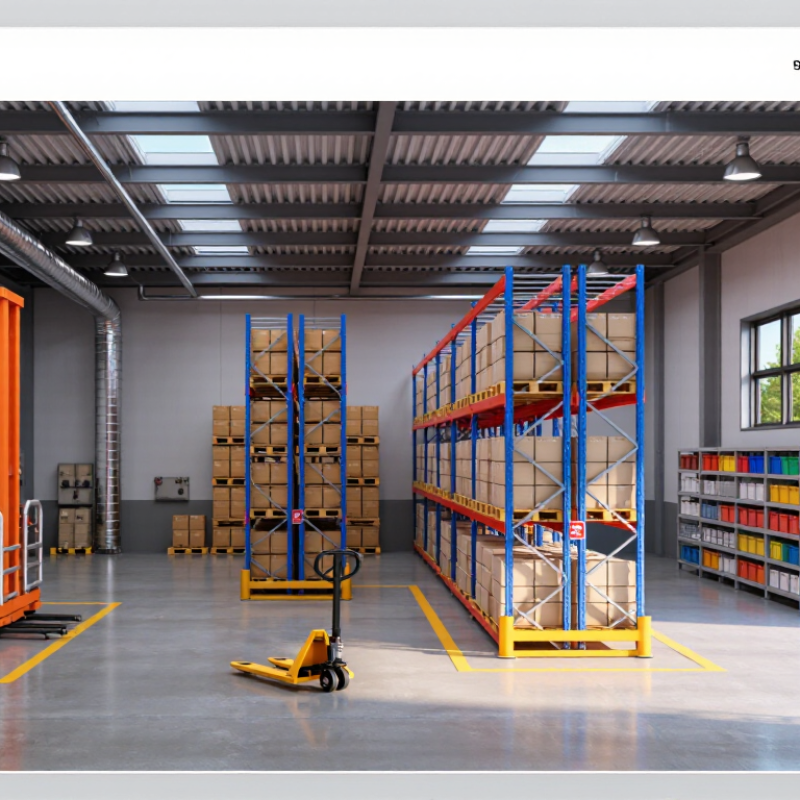
Pallet racks, drive-in storage, and AS/RS solve different warehouse problems. Pallet racks provide direct access to each load and support varied stock keeping units. They suit operations with frequent picking and changing inventory. Drive-in systems use fewer aisles, so they create high-density storage. However, forklifts enter the rack structure, and access becomes limited. AS/RS combines storage equipment, software, and automated movement. It can improve accuracy, space use, and throughput, but it requires reliable power, data, and maintenance planning.
Global buyers should match the system to product flow, pallet dimensions, building height, and labor conditions. A cold warehouse may favor density, while a distribution center needs faster access. Safety depends on load ratings, impact protection, inspections, and trained operators. These details are not optional. In warehouse assessments, a neat layout can still fail when pallets vary in size. That is an easy mistake to underestimate.
Tips: Measure real pallet loads, not ideal samples. Record peak daily movements. Check local safety requirements before ordering equipment. Leave room for repairs and future growth. Automation looks impressive, but it may not suit unstable inventory or weak technical support. Review the decision after a trial period. Even experienced planners miss something.
| Evaluation Dimension | Pallet Racks | Drive-In Racking | AS/RS |
|---|---|---|---|
| System Definition | Selective Pallet Racking Upright frames and horizontal beams create individual pallet locations that are accessed from an aisle. | High-Density Drive-In Storage Forklifts enter storage lanes supported by rails, allowing pallets to be stored several positions deep. | Automated Storage and Retrieval System Computer-controlled cranes, shuttles, or robotic devices store and retrieve loads in structured storage aisles. |
| Typical Storage Density | Moderate; usually lower than deep-lane systems because each pallet position requires aisle access. | High; commonly provides substantially more pallet positions per floor area than selective racks. | Very high; vertical space and narrow aisles can be used efficiently when building height and load profiles permit. |
| Direct Pallet Selectivity | High Most pallet locations can be accessed directly without moving other pallets. |
Low Access is generally lane-based, so pallets deeper in a lane may require prior pallet movement. |
High The control system can retrieve a specified load, subject to inventory rules and system design. |
| Inventory Rotation | Supports FIFO when lanes, operating procedures, and rack layout are planned for that purpose. | Best suited to LIFO storage; FIFO requires special lane configuration or an alternative flow-through design. | Can support FIFO, LIFO, batch control, expiry-date management, and location sequencing through software. |
| Typical Aisle Requirement | Often about 2.7–3.7 m for conventional counterbalanced or reach-truck operation, depending on equipment. | Requires drive-in lanes wide and tall enough for the selected forklift and pallet dimensions. | Often uses narrow aisles; the required width depends on the crane, shuttle, load size, and safety clearances. |
| Best Product Profile | Many stock-keeping units, mixed products, frequent order access, and varied pallet quantities. | Large quantities of relatively few stock-keeping units, especially uniform pallets and stable product batches. | High-volume, repetitive, traceable pallet handling with consistent load dimensions and defined process rules. |
| Automation Level | Normally manual, but can be integrated with conveyors, pick-to-light, warehouse software, or mobile equipment. | Normally forklift-operated; semi-automated lane systems are possible but require compatible infrastructure. | Automated by design, with software, sensors, conveyors, cranes, shuttles, or robotic vehicles coordinating movements. |
| Typical Throughput Profile | Flexible throughput that depends mainly on forklift availability, travel distance, and operator productivity. | Moderate throughput; repeated entry and exit from lanes can reduce efficiency during frequent mixed-SKU retrieval. | Consistent high-throughput performance is possible when storage rules, equipment capacity, and software are properly matched. |
| Installation Complexity | Low to Moderate Relatively straightforward installation with adaptable components and common warehouse layouts. |
Moderate Requires careful lane alignment, rail installation, impact protection, and forklift compatibility. |
High Requires detailed engineering, controls integration, safety validation, commissioning, and staff training. |
| Investment Profile | Generally the lowest initial investment of the three, although forklifts and warehouse software add to the total cost. | Typically higher than selective racks because of structural depth, rails, safety requirements, and specialized handling. | Usually the highest initial investment, with potential labor, space, accuracy, and throughput benefits over the system life. |
| Operational Flexibility | Very High Beam levels can be adjusted, and locations can accommodate a broad range of palletized products. |
Limited Lane depth and pallet uniformity constrain product mix and operational changes. |
High Within Design Limits Highly repeatable and configurable through software, but physical load and equipment limits must be respected. |
| Space Utilization | Balanced access and density; some floor area is dedicated to operating aisles. | Excellent floor-area utilization because multiple pallets share deep storage lanes. | Excellent cubic utilization when clear height, fire protection, load dimensions, and building regulations support automation. |
| Maintenance Considerations | Routine inspections should cover uprights, beams, anchors, guards, load signs, and impact damage. | Requires inspection of rails, supports, entry points, guide components, and structural damage from forklift traffic. | Requires planned maintenance for mechanical equipment, sensors, controls, software, conveyors, and emergency systems. |
| Recommended Use Case | General distribution, wholesale storage, manufacturing warehouses, retail replenishment, and mixed-SKU inventory. | Cold storage, seasonal goods, reserve inventory, and operations handling large batches of identical products. | High-volume distribution centers, production buffers, temperature-controlled facilities, and sites with labor or space constraints. |
| Primary Buyer Priority | Accessibility, product variety, ease of expansion, and cost-effective deployment. | Maximum pallet density and efficient storage of homogeneous inventory. | Automation, traceability, labor reduction, high space utilization, and predictable material flow. |
Note: Actual capacity, aisle width, throughput, and storage density depend on pallet dimensions, load weight, building height, fire codes, handling equipment, operating procedures, and local safety regulations.
Its weight affects every beam level, upright frame, connection, and floor contact point. Forklift impact and uneven loading can reduce real-world capacity. The label is not enough.
Measure pallet length, width, and possible overhang before selecting the frame. Leave clearance for forklift entry, damaged packaging, and small placement errors. Small gaps matter.
Confirm whether the rating covers evenly distributed or concentrated loads. Check the maximum storage levels and required floor condition. A rating without conditions can mislead.
Wider bays may simplify pallet placement and reduce contact damage. However, they increase beam demand and may require stronger components. More space is not always safer.
Test the proposed layout using a loaded pallet, not an empty model. Check aisle width, beam deflection, upright spacing, and inspection access. Reality is less tidy.
Inspect bent uprights, damaged beams, missing locking pins, displaced pallets, and overloaded locations. A shallow forklift dent can worsen under load. Small damage grows.
Isolate and clearly mark damaged components before reuse. A competent person should assess the damage and define repair or replacement actions. Do not rely on paperwork alone.
Uneven concrete and poor anchoring can create serious instability during daily handling. Confirm floor strength, anchor locations, and installation conditions before loading pallets. Perfect drawings can still fail.
Record the location, photographs, damage details, responsible person, and corrective action. Include changes in pallet weight and repeated impact areas. Records need follow-through.
Define rated loads, floor requirements, anchoring, operator training, inspection frequency, and repair responsibility. Local building, fire, seismic, and workplace rules may also apply. Requirements should be clear.
Stacking Systems are essential for businesses seeking efficient, safe, and adaptable warehouse storage. This overview explains the main options, including pallet racks for flexible access, drive-in systems for high-density storage, and automated storage and retrieval systems (AS/RS) for faster, more accurate inventory handling. It also compares practical capacity factors such as load ratings, bay widths, and the ability to support pallets weighing 1,000 kg or more.
Safety and international usability are equally important when selecting a solution. Regular inspections aligned with EN 15635 and proper handling practices consistent with OSHA 1910.176 can help reduce operational risks. For automated systems, throughput, accuracy, and storage density should be evaluated against daily requirements. Global buyers should also review ISO 780 labeling guidance, CE marking where applicable, and relevant local standards to ensure the equipment is clearly identified, properly documented, and suitable for its intended market.

 Xinmiao Storage