What Is Wire Shelving and What Is It Used For?

Time:2026-10-30 Author:Ethan
0%

Wire Shelving is an open storage system made from metal shelves supported by upright posts. Its grid-like surfaces let air and light pass through, while adjustable shelf heights help accommodate changing storage needs. Common finishes include chrome for dry indoor spaces and coated or stainless steel options for environments that need different levels of protection. The right choice depends on the setting, expected load, and care requirements.

In homes, wire shelving can hold pantry goods, folded towels, cleaning supplies, or bins in a closet. In garages and stockrooms, it can organize tools, boxes, and frequently used equipment. You can often see what is stored without moving items around. That visibility is useful. It can also make clutter more noticeable.

A practical setup starts with measuring the available space and checking the manufacturer’s load guidance. Keep heavier items on lower shelves, distribute weight evenly, and secure the unit when its design or location calls for it. These details matter, especially on uneven floors or in busy work areas. Wire shelving is not ideal for every item: small objects may need bins, and narrow feet or wheels can mark some floors. No system is maintenance-free. Dust can collect on the wires, and coatings may wear over time. Understanding its strengths and limits makes it easier to decide whether wire shelving suits a particular room, storage task, and daily routine.
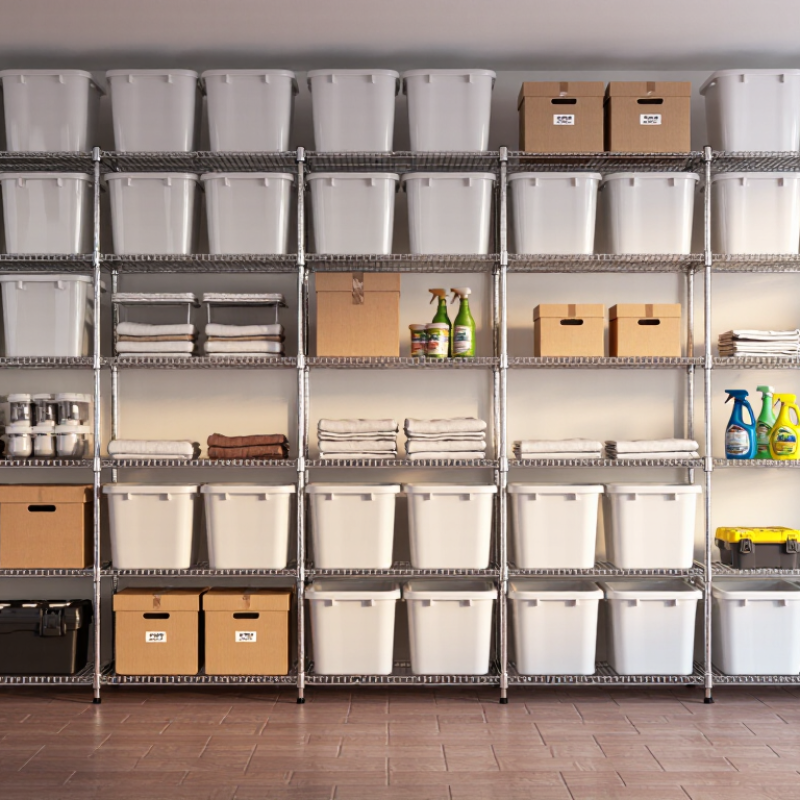
What Is Wire Shelving and What Is It Used For?

What Wire Shelving Is and How It Is Designed

Wire shelving is built from steel wires welded into a grid, then supported by upright posts and adjustable clips. The open surface lets air and light pass through, making stored items easier to see than on solid shelves. You can often change shelf height without tools, though clips must sit evenly in their grooves. Small parts may need a liner; otherwise, they can tip or slip through.

Design depends on the room and the load. A pantry shelf may use a coating suited to dry indoor conditions, while damp areas need better corrosion resistance. Wire spacing, shelf depth, post height, and rated capacity all affect stability. Loads should be spread across the shelf, not piled at one corner. OSHA’s 29 CFR 1910.176(b) requires stored materials to remain stable and not slide or collapse. That is a practical design constraint, not just paperwork.

Warehousing trends add context, but they do not prove one shelf design is best. MHI’s 2024 Annual Industry Report found that 55% of surveyed supply chain professionals planned to increase technology investment. Shelving still needs careful, hands-on planning. Measure the objects, check floor level, and confirm the shelf’s load rating. Easy to overlook. A neat-looking unit can still wobble when clips are uneven or heavy items sit high.

Common Materials, Components, and Coating Options

Wire shelving is an open storage system made from metal shelves and vertical posts. Typical components include wire decks, posts, plastic split sleeves or clips, and adjustable feet or casters. Carbon steel is common; stainless steel and aluminum are alternatives for particular weight, cleaning, or corrosion needs. Small parts matter.

The World Steel Association’s World Steel in Figures 2024 reports 1,890 million tonnes of crude steel production in 2023. That figure reflects steel’s vast industrial supply, though it does not measure shelving use. Finishes vary: chrome plating gives a bright surface, while zinc plating and epoxy or powder coatings add protective layers. Stainless steel offers corrosion resistance, but grade and exposure still matter. A coating is not magic; scratches, welds, and damp corners deserve inspection.

Tips: Match the finish to the room, not just its appearance. For a humid pantry, check the manufacturer’s coating and care guidance; for a dry stockroom, plated steel may be adequate. Confirm each shelf’s rated capacity and load it evenly. Wire openings also affect storage: small bottles may need a solid liner.

How Wire Shelving Supports and Organizes Items

Wire shelving uses connected metal wires to form lightweight shelves that hold bins, cartons, tools, or folded supplies. The grid distributes weight across the frame, while upright posts transfer it to the floor. That open structure matters. Air and light can pass through, and labels remain visible from several angles. In a stockroom, a worker can spot a low box of gloves without moving the items above it. Shelf spacing also lets teams separate fast-moving supplies from backstock.

MHI’s 2024 Annual Industry Report found that 55% of surveyed supply-chain professionals planned to increase technology investment. That finding reflects growing attention to operational visibility, though it does not measure shelving performance directly. Wire shelving can support that goal through clear sightlines and flexible shelf heights. A practical caveat: open grids may let small items tip or collect dust. Use bins when needed, and check the shelf’s rated capacity before loading it. OSHA’s storage guidance also requires stored materials to remain stable and secure (29 CFR 1910.176(b)).

Tips: Put heavier items on lower shelves. Keep frequently used supplies near hand height. Secure the unit if its instructions call for anchoring, and recheck the load after rearranging.

Common Wire Shelf Depth Options

Wire shelving comes in a range of depths to suit different spaces and storage needs. These commonly available options can help organize items in kitchens, pantries, closets, and storerooms. Actual dimensions vary by shelving system.

Where Wire Shelving Is Commonly Used

Wire shelving is common in warehouse pick areas, retail backrooms, pantry stores, laundry rooms, and supply closets. Open shelves help staff spot labels and retrieve cartons without opening cabinets. The U.S. Census Bureau estimated that e-commerce accounted for 16.1% of U.S. retail sales in 2024. That scale makes organized stockrooms important, though the figure does not measure shelving use directly. Air moves freely.

In commercial kitchens and walk-in coolers, coated or stainless wire racks can keep containers off damp floors and make spills easier to notice. The FDA Food Code 2022 generally calls for food to be stored at least 6 inches above the floor. Operators still need to match shelf materials and cleaning routines to moisture and sanitation requirements. The National Restaurant Association’s 2024 State of the Industry projected $1.1 trillion in U.S. restaurant sales. That figure reflects the scale of food-service operations, not wire-rack demand. Clinics, workshops, and garages also use wire units for boxed supplies, tools, and bins. Small parts may slip through. Measure the load, shelf span, and wheel movement before choosing a layout.

Key Factors in Choosing and Maintaining Wire Shelving

Choosing wire shelving starts with the items it must hold. Measure the floor area, ceiling height, and largest stored objects before comparing units. Check the rated capacity for each shelf, not just the whole rack, and distribute weight evenly. Small details matter. Narrow wire gaps suit boxes and bottles, while wider gaps may need shelf liners to keep small items stable. In damp rooms, select a finish intended for humid conditions, and leave enough space around the rack for airflow and access.

Think about adjustability, too. Movable shelves help when storage needs change, but frequent adjustments can loosen connections if parts are not seated firmly. A common mistake is choosing a rack that barely fits the available space; it can be awkward to clean behind and may block daily movement. Slightly less capacity can be the more practical choice.

For routine care, wipe away dust and spills with a soft cloth and mild soapy water, then dry the shelves to limit corrosion. Avoid abrasive pads that can damage protective coatings. Check joints, feet, and shelf clips periodically, especially after moving the unit or loading heavy items. If a shelf bends or rocks, reduce its load and inspect the connections rather than assuming it will settle back into place.

FAQS

What makes wire shelving useful for storage?

Its open grid lets light and air pass through. Labels stay visible, and workers can spot a low box without moving nearby items.

Which items work well on wire shelves?

Bins, cartons, tools, bottles, and folded supplies fit well. Tiny parts may slip through, so use a bin or suitable liner.

Where is wire shelving commonly used?

It appears in stockrooms, pantry stores, laundry rooms, kitchens, clinics, and garages. Air moves freely.

How should I arrange items on a wire rack?

Place heavier items on lower shelves and keep frequently used supplies near hand height. Leave a clear path for daily movement.

What should I measure before choosing a unit?

Measure floor space, ceiling height, and your largest stored objects. Check each shelf’s capacity, not only the rack’s total rating.

How can I keep small items stable?

Choose narrow wire gaps or add shelf liners. A small bottle can tip through a wide opening; it is easy to overlook.

How should wire shelving be cleaned?

Wipe dust and spills with mild soapy water and a soft cloth. Dry the shelves afterward, and avoid abrasive pads.

What should I check during routine maintenance?

Inspect joints, feet, and shelf clips, especially after moving or loading the unit. If it bends or rocks, reduce the load and check its connections. It may not settle back.

Conclusion

Wire Shelving is a modular storage system made from open wire shelves supported by vertical posts. Its design allows air and light to pass through while making stored items easy to see and reach. Shelves can often be repositioned to suit different needs, and the system may include features such as adjustable feet, clips, or wheels. Common materials include steel, with finishes such as chrome, paint, or protective coatings selected to suit the environment.

The open, sturdy structure helps organize supplies, tools, kitchen items, and other everyday goods without enclosing them. Wire Shelving is commonly used in homes, offices, stockrooms, and other storage areas. When choosing a unit, consider its dimensions, load capacity, shelf spacing, material, coating, and whether mobility is useful. Distribute weight evenly, avoid exceeding the rated capacity, and clean the shelves regularly to help maintain stability and appearance.

Ethan

Ethan

Ethan is a seasoned marketing professional with a deep expertise in our company's innovative product line. With a passion for sharing knowledge and insights, he takes the lead in regularly updating our corporate blog, where he explores industry trends, product features, and effective marketing......