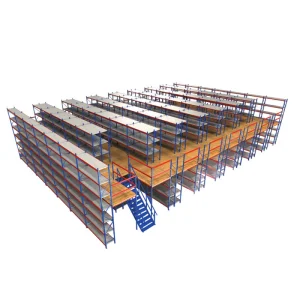
The global logistics and material handling industry has undergone a paradigm shift. As e-commerce penetration grows and manufacturing cycles shorten, the demand for vertical space optimization has never been higher. Loading racks are no longer just static steel structures; they are the backbone of the modern supply chain. From high-bay automated warehouses in North America to compact distribution centers in Southeast Asia, the efficiency of a facility is now measured by its cubic-meter utilization.
Current global trends indicate a massive move toward High-Density Storage Systems. Industry giants are prioritizing structural integrity, seismic resilience, and modular designs that allow for rapid scaling. Regulatory bodies like OSHA (USA) and FEM (Europe) have set stringent safety standards, forcing manufacturers to innovate in metallurgy and welding precision.
The global industrial racking market is projected to reach billions by 2030, driven by the expansion of 3PL (Third Party Logistics) and the food & beverage cold chain sectors.
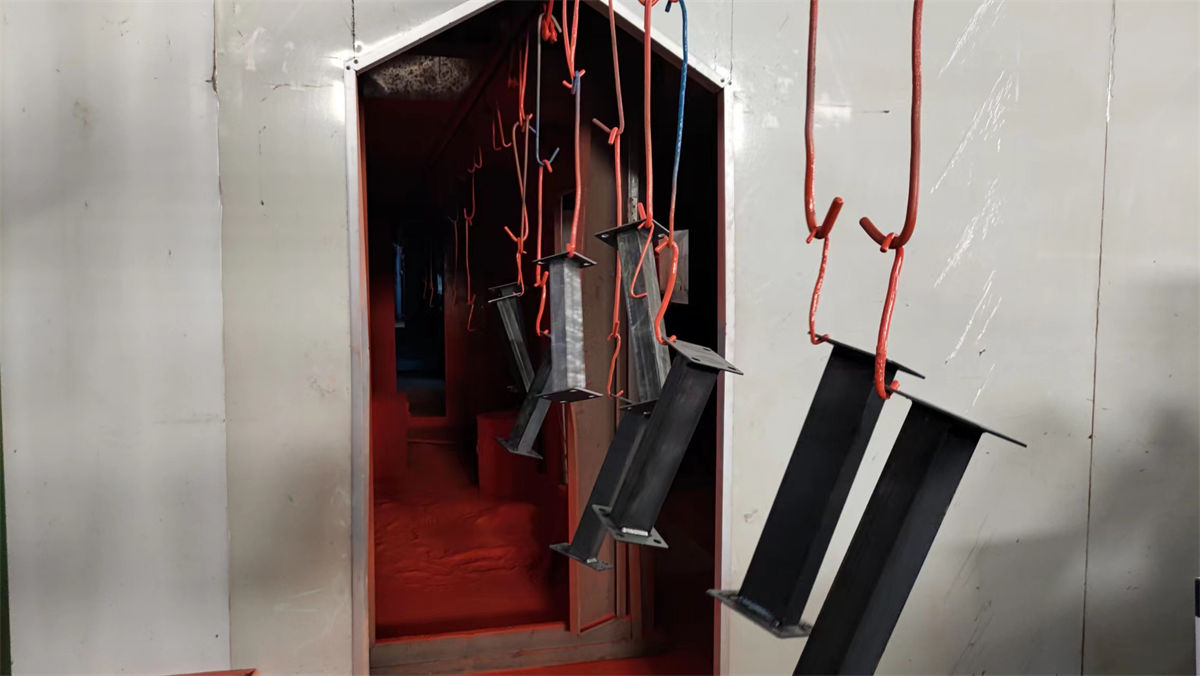
Modern loading racks utilize Cold-Rolled Steel (Q235/Q355) with advanced powder coatings to resist corrosion in harsh industrial environments, ensuring a lifespan of over 20 years.
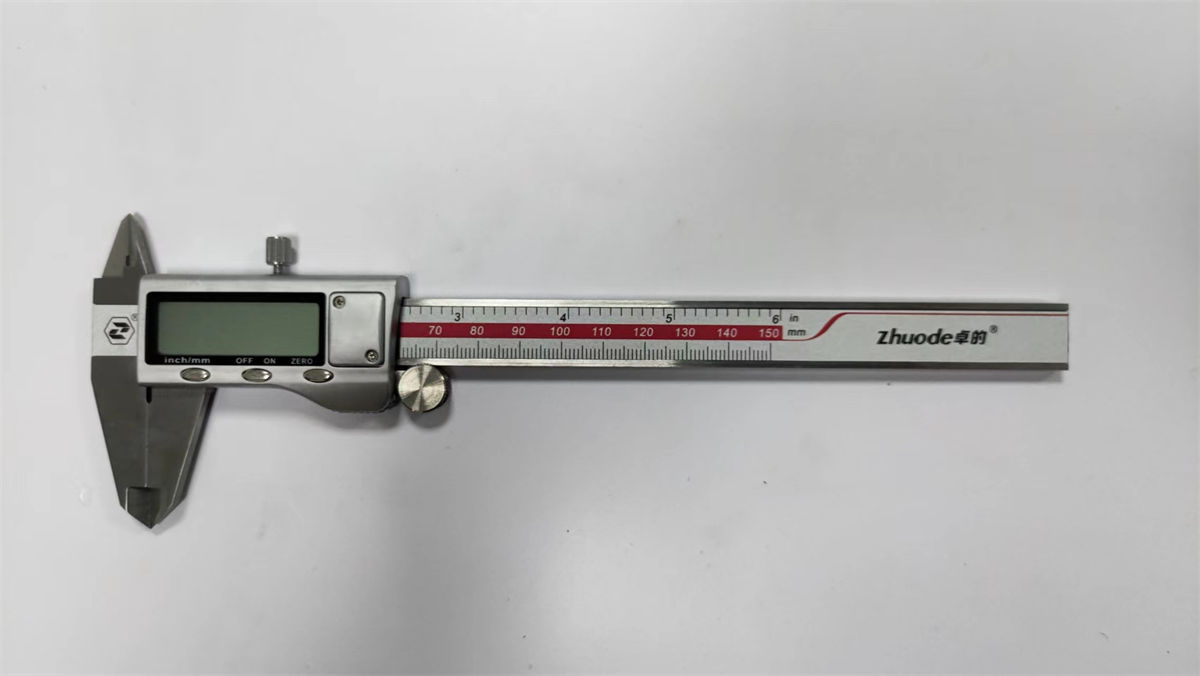
Today's racks are designed to integrate seamlessly with AGVs (Automated Guided Vehicles) and ASRS systems, requiring tolerances within millimeters during the manufacturing process.
China has established itself as the global hub for Loading Rack manufacturing due to a unique convergence of supply chain density, advanced robotics, and raw material accessibility. Factories in Guangzhou, such as Guangzhou Xinmiao Storage Equipment Co., Ltd., leverage these advantages to provide "Information Gain" to international buyers—delivering deeper technical expertise and better cost-to-performance ratios than regional competitors.
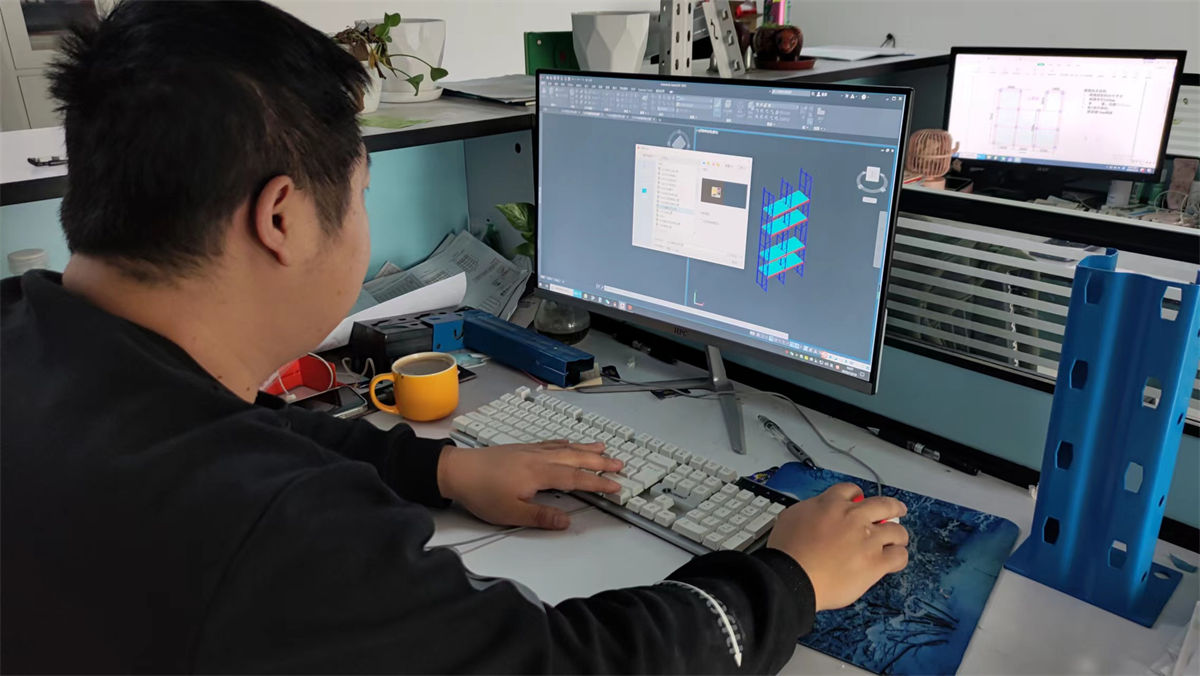
The speed of iteration in China is 3x faster than the global average. A custom warehouse layout that takes 4 weeks to design in Europe can be completed, simulated, and ready for production in 7 days in Guangzhou. This Time-to-Market advantage is critical for e-commerce enterprises expanding their footprint.
Established in 2016, we have built a reputation for excellence in the warehouse storage sector. With 12 years of industry experience and 8 years of dedicated export expertise, we are not just a manufacturer; we are your strategic growth partner.
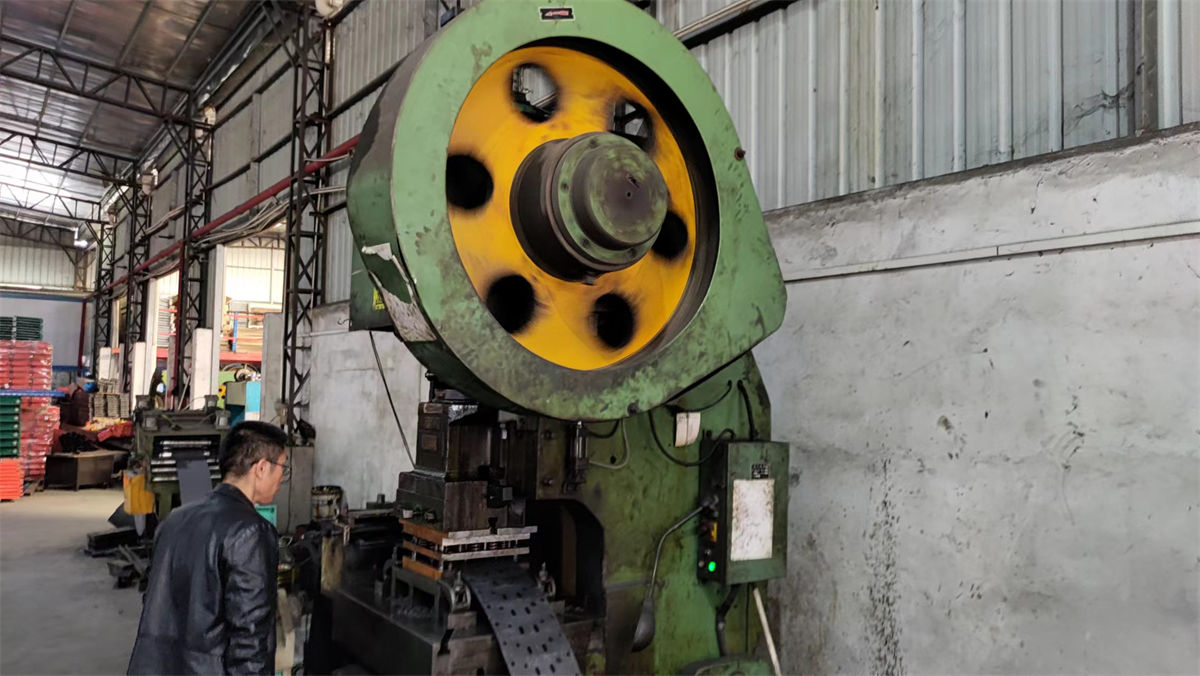
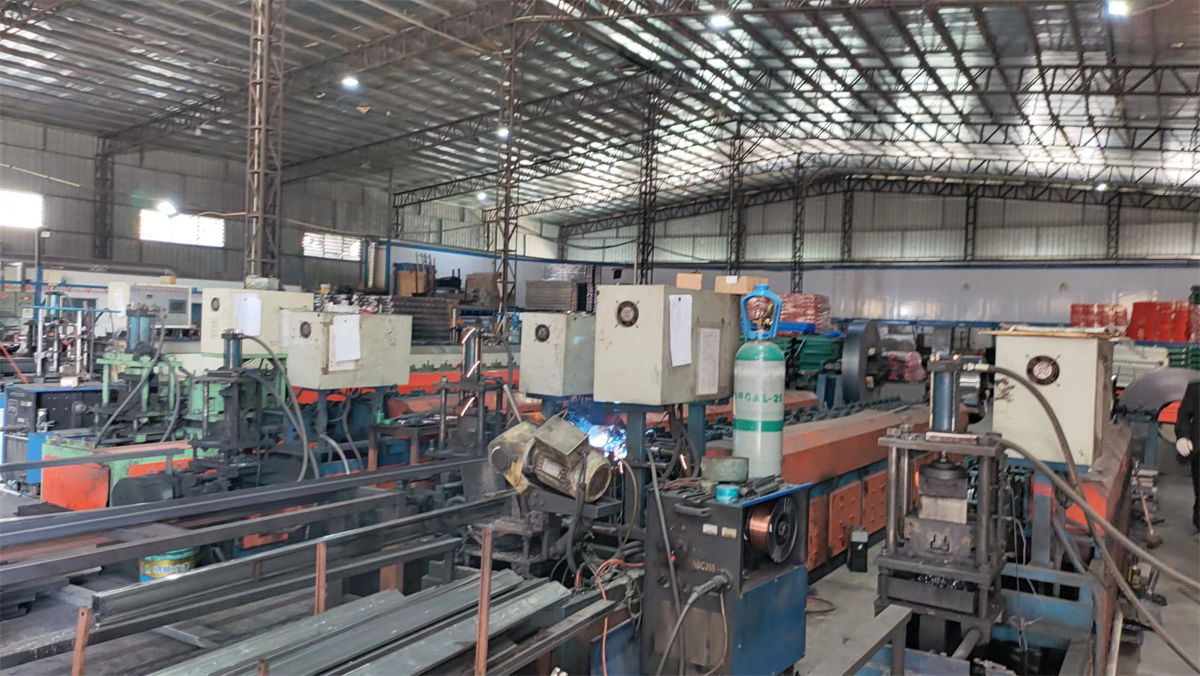
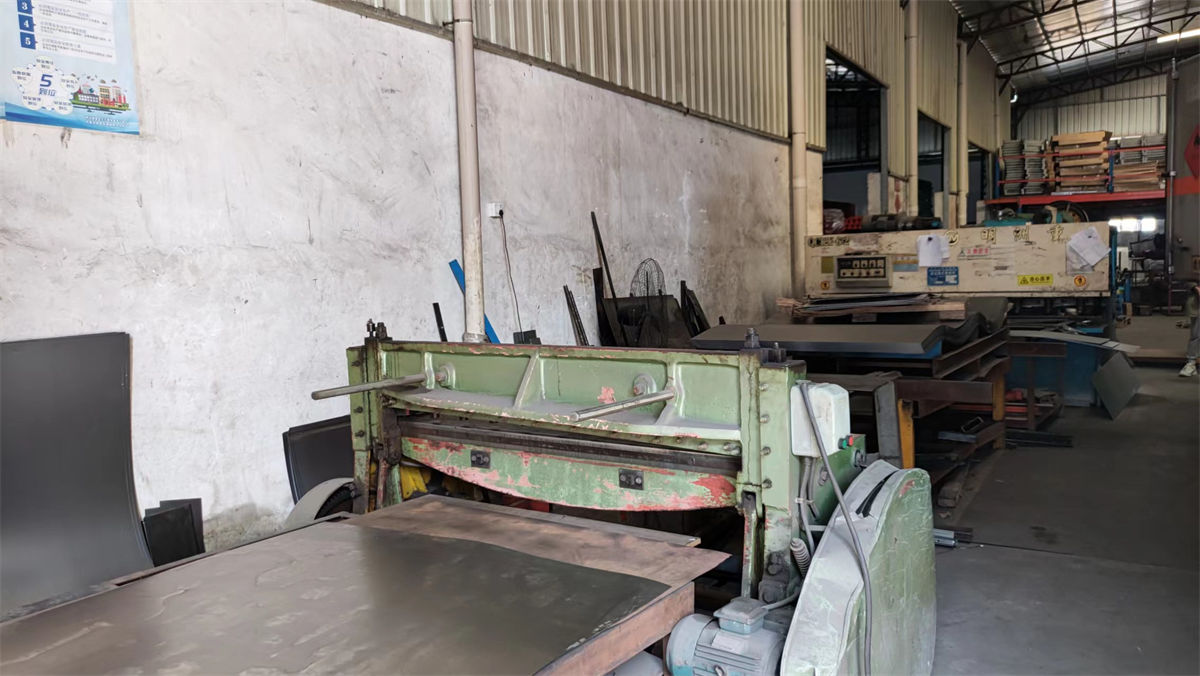
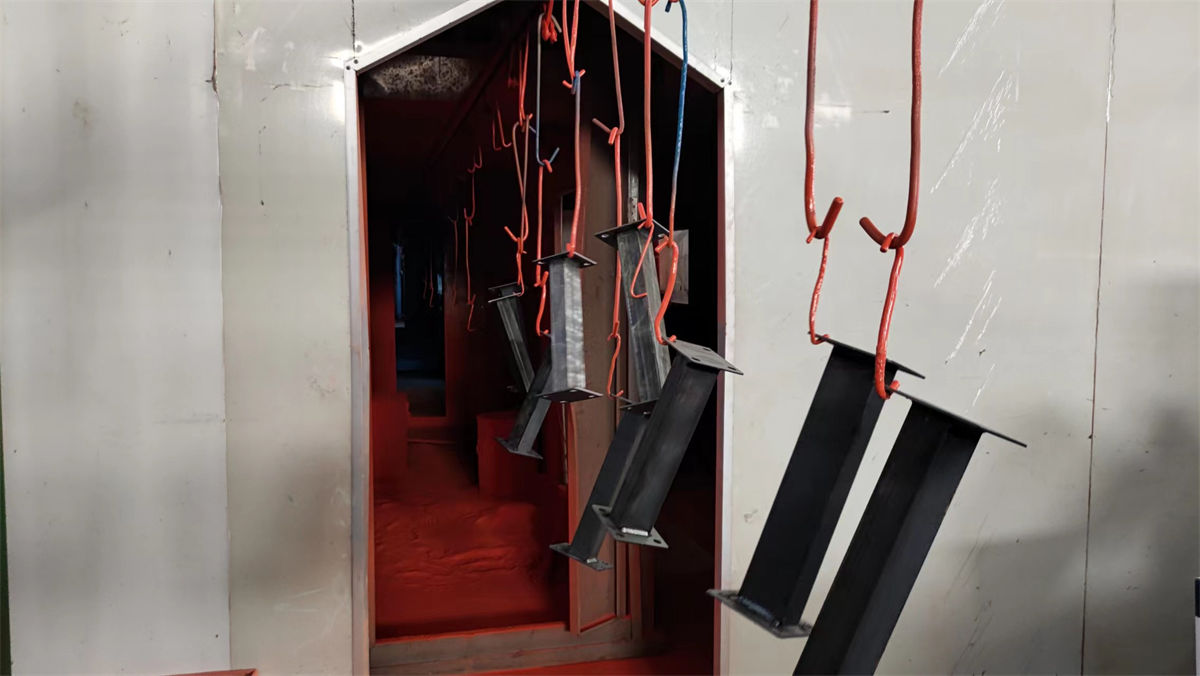
To ensure consistent product quality, we implement strict quality control procedures throughout the entire production process. Our quality inspection system includes raw material testing, welding inspection, dimensional measurement, surface coating inspection, load-bearing tests, and finished product evaluation. We use advanced inspection methods such as laser measurement, load testing equipment, and visual quality inspection to guarantee product safety and durability.
In the past year alone, we launched 126 new storage products, specifically designed to meet the evolving needs of global customers in North America, Europe, and Australia.
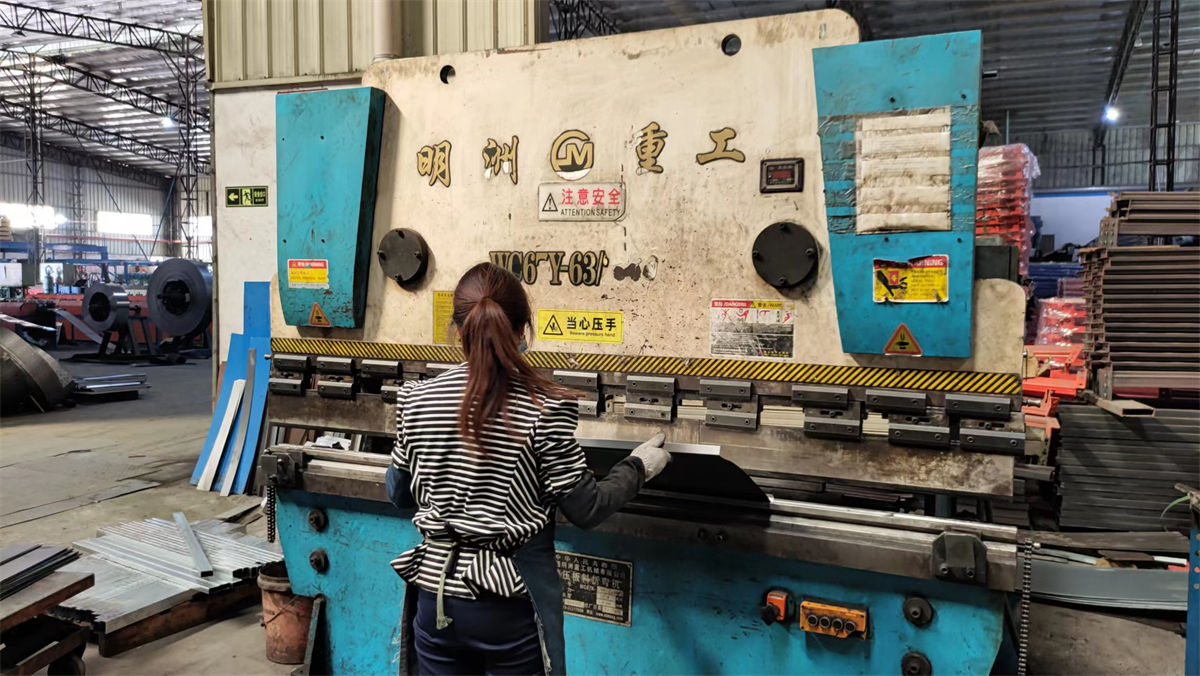
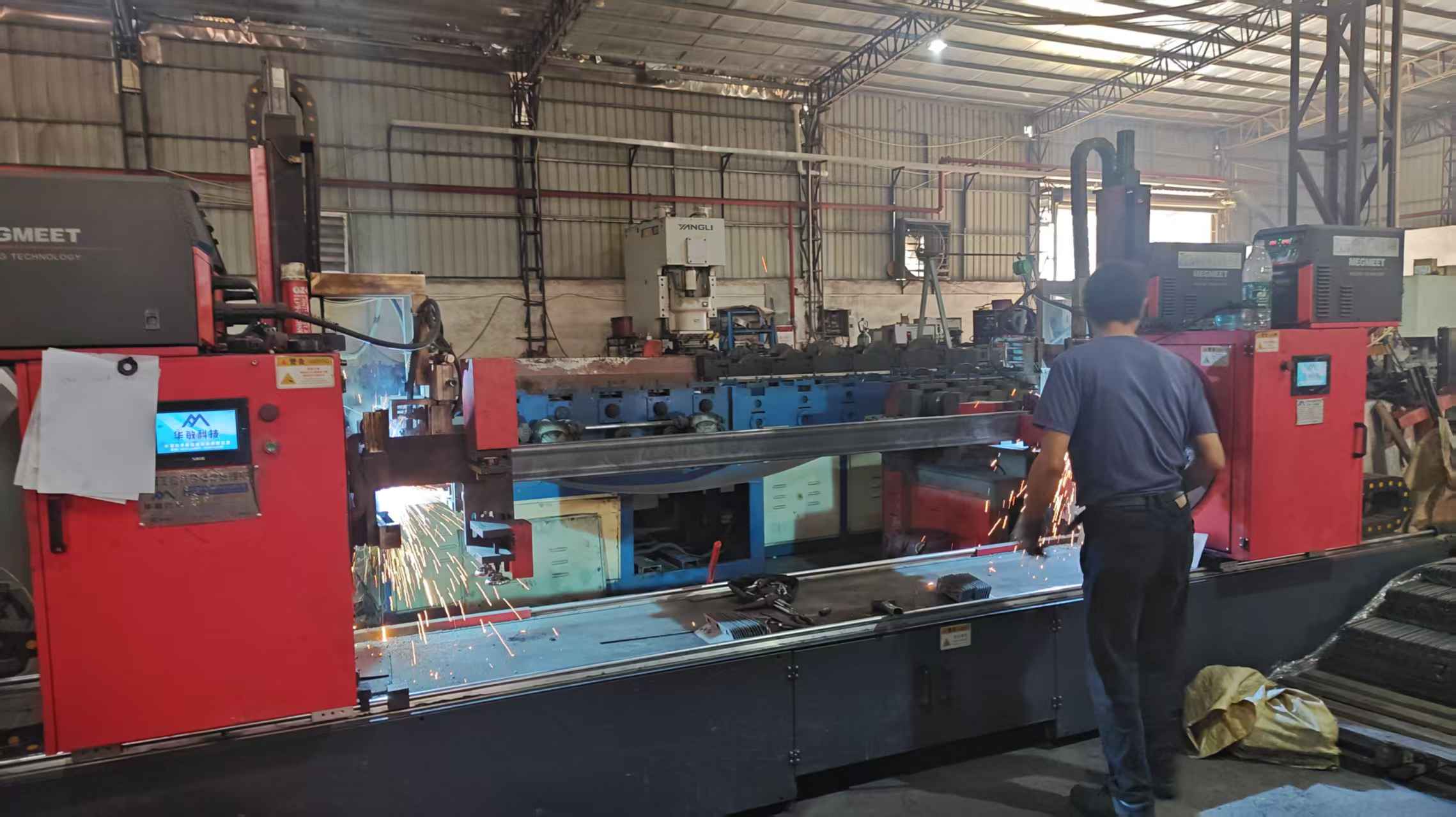
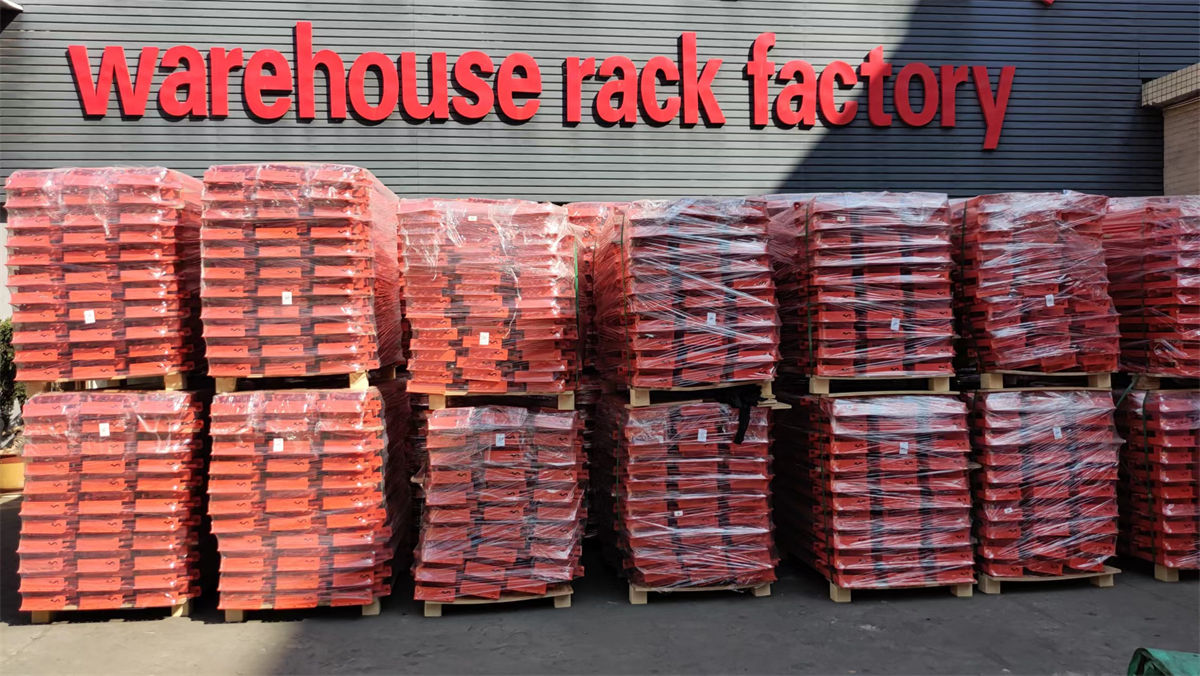
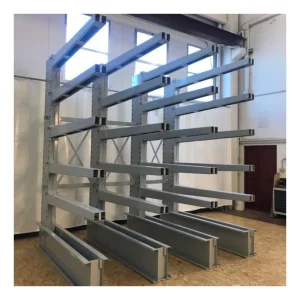
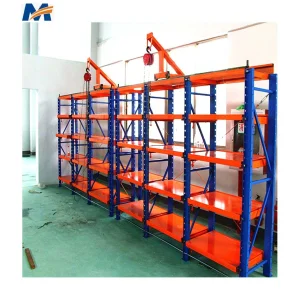
Heavy Industry (Texas, USA): Loading racks designed for oversized drill bits and oil pipes using high-tensile cantilever systems.
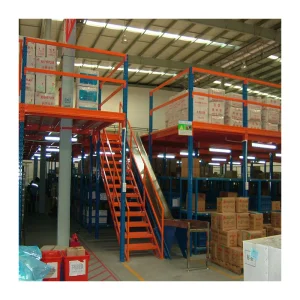
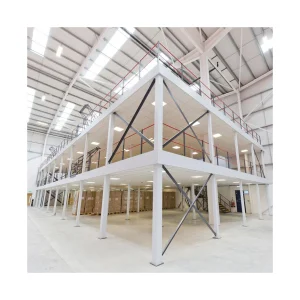
Retail Hubs (Germany): Multi-tier mezzanine platforms that double usable retail warehouse floor space without structural expansion.
E-commerce (Southeast Asia): Rapid-assembly mobile racking systems to handle high-velocity stock rotation during seasonal peaks.
Eco-Friendly Coatings: A shift toward lead-free, low-VOC powder coatings to meet environmental ESG requirements.
Modular Growth: "Lego-style" racking systems that can be reconfigured as the business model changes, reducing sunk costs in warehouse infrastructure.
Smart Sensors: Integration of load sensors that alert warehouse managers to structural stress or overloading via IoT dashboards.
When selecting a Loading Rack manufacturer, enterprises must look beyond price. The "Total Cost of Ownership" (TCO) includes safety, durability, and the flexibility of the storage system. As a senior SEO Growth Director and industry expert, I recommend evaluating suppliers based on the following 4 pillars:
Does the supplier use certified Q235B or Q345B steel? The yield strength determines the maximum safety load under dynamic conditions.
Standard industrial coatings should be 60-80 microns thick. Anything less will lead to premature rust, especially in humid or seaside logistics hubs.
Ask for a safety factor of 1.5x or higher. If a rack is rated for 1000kg, its failure point should be well above 1500kg.
Does the factory provide installation supervision or 3D layout simulations (Navisworks/AutoCAD)?
 Xinmiao Storage