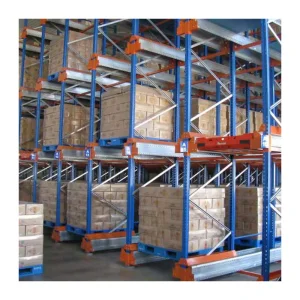
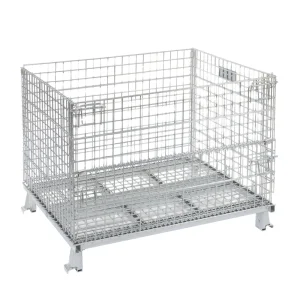
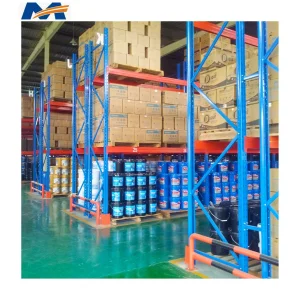
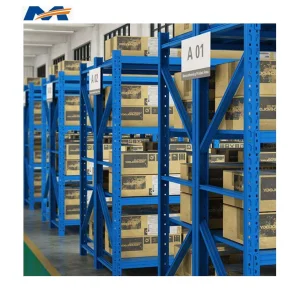
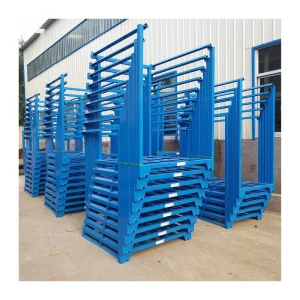
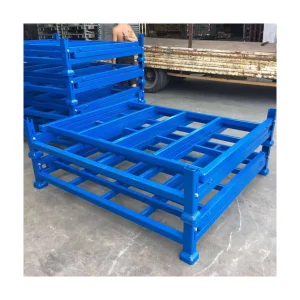
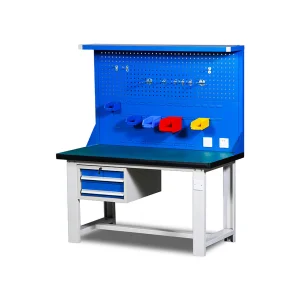
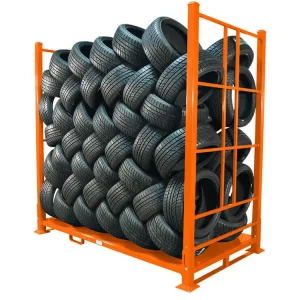
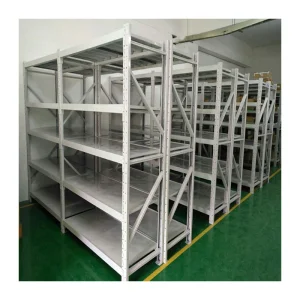
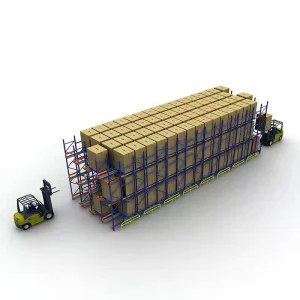
Engineered high-capacity systems designed to streamline industrial logistics, manual transport, and warehouse operations.
Global Leader in Industrial Logistics Equipment, Advanced Rack Engineering, and Material Handling Systems.
Factory Area
Industry Experience
Annual Exports
R&D Specialist Team
QC Inspectors Team
Guangzhou Xinmiao Storage Equipment Co., Ltd. (Brand: Mracking) is a premier manufacturer specializing in warehouse storage structures, heavy-duty industrial racking systems, and customized logistical carts and trolleys.
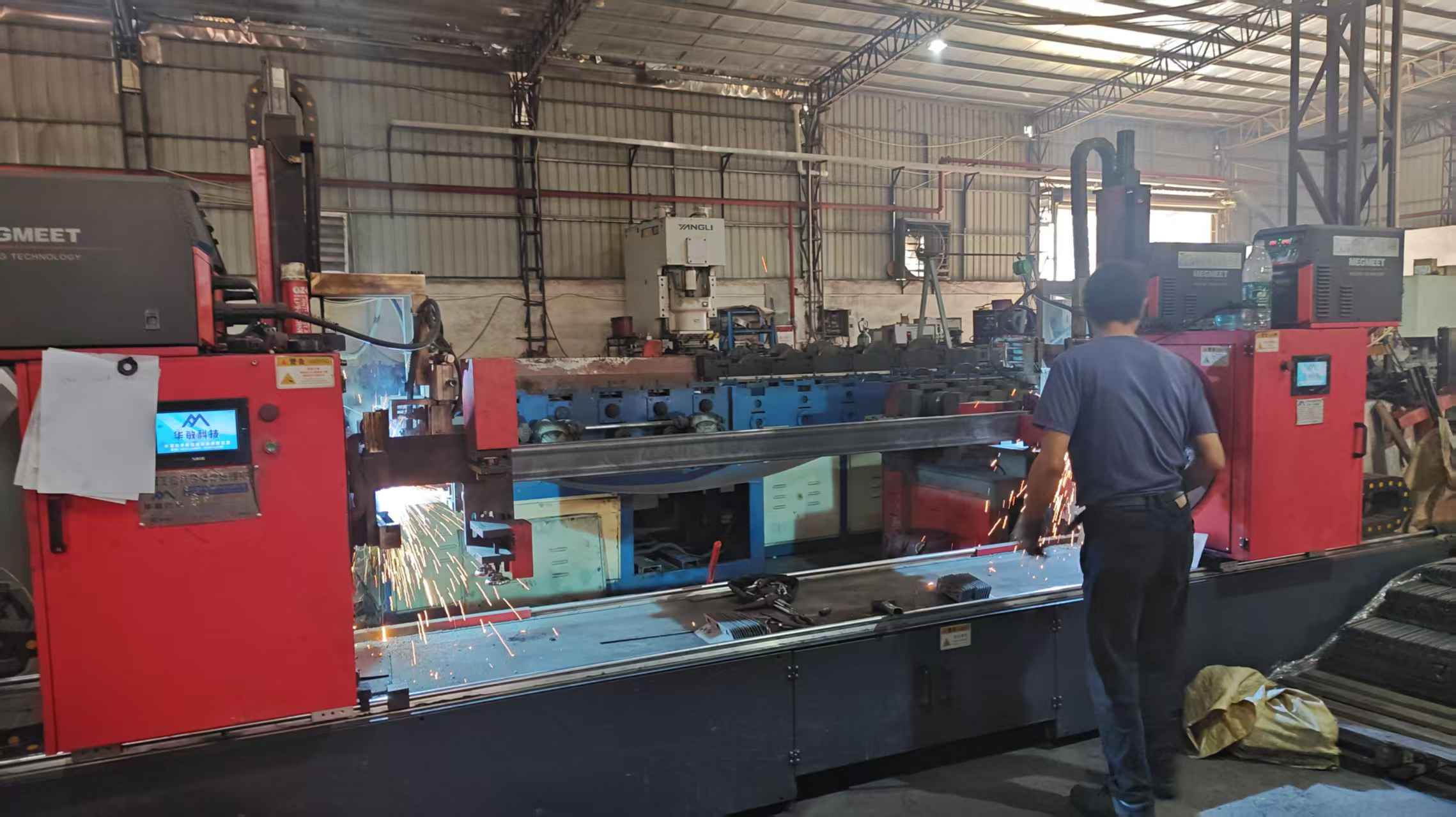
Established in 2016, we integrate raw material procurement, structural roll-forming, robotic welding, and automated surface treatment to deliver high-capacity industrial equipment. Backed by 8 years of export operations and 12 years of core manufacturing experience, our systems are deployed in logistics nodes, heavy factories, distribution centers, and high-intensity retail warehouses worldwide.
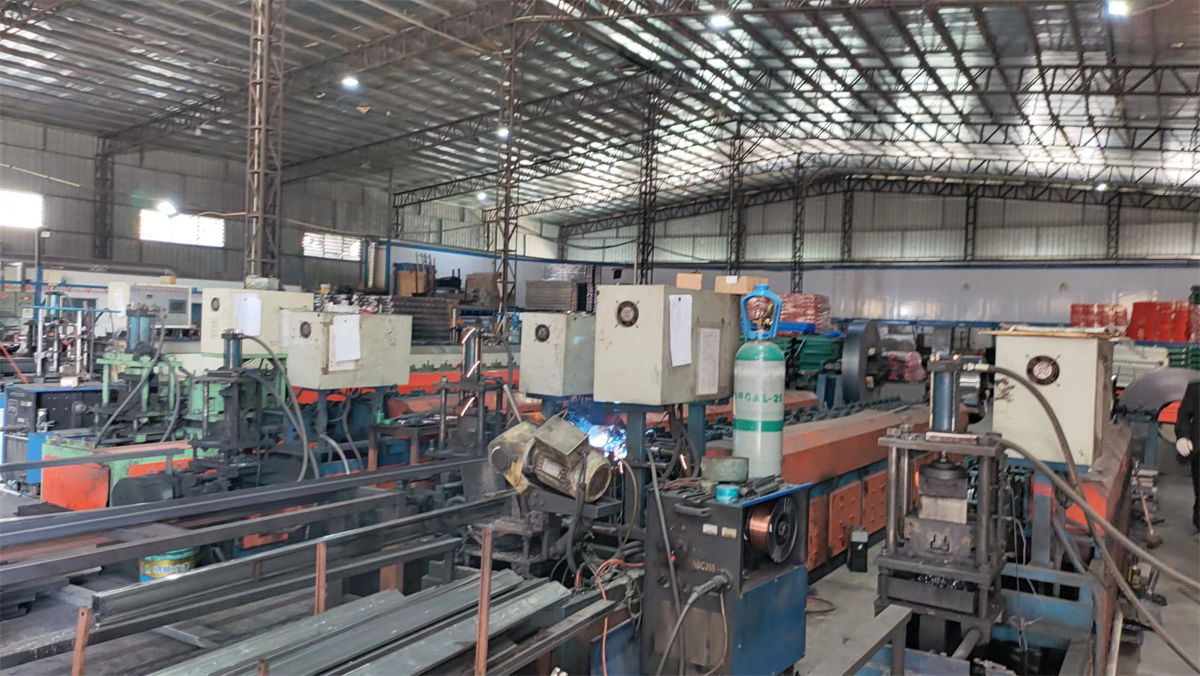
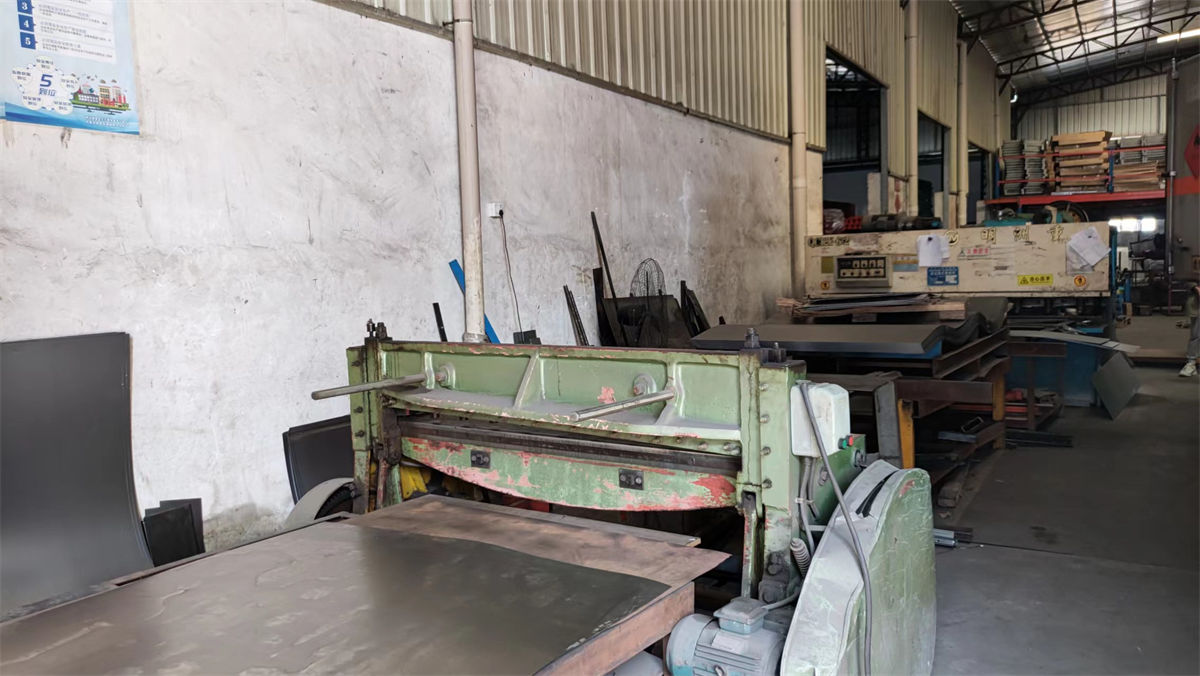
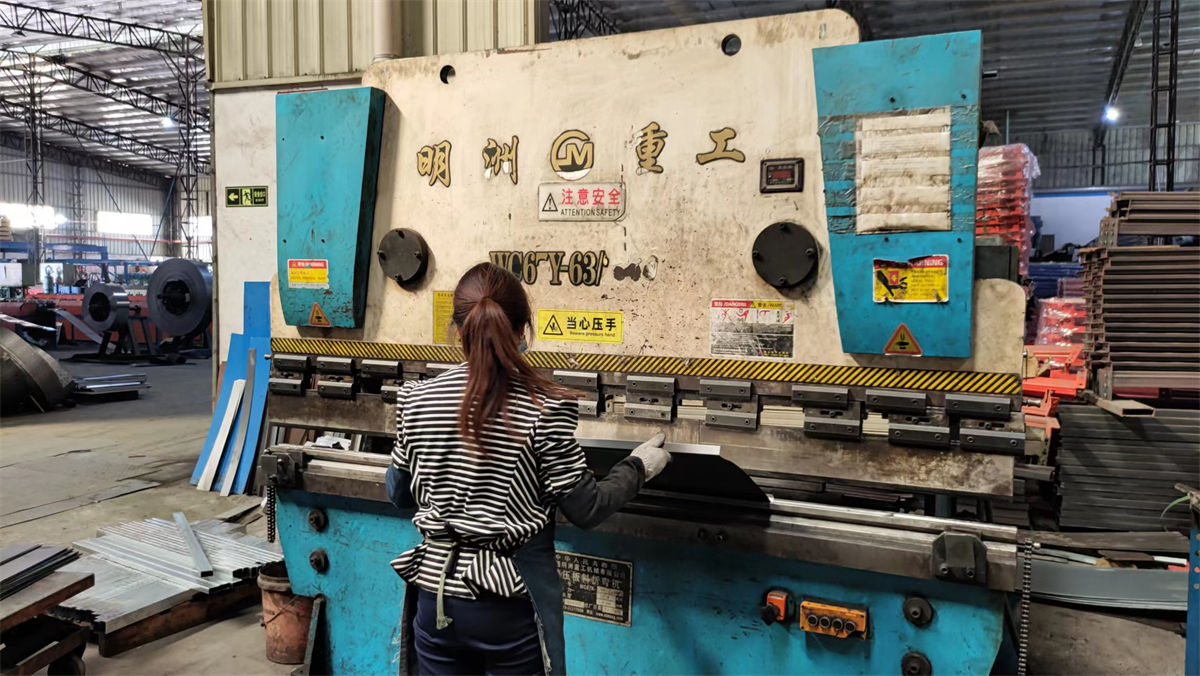
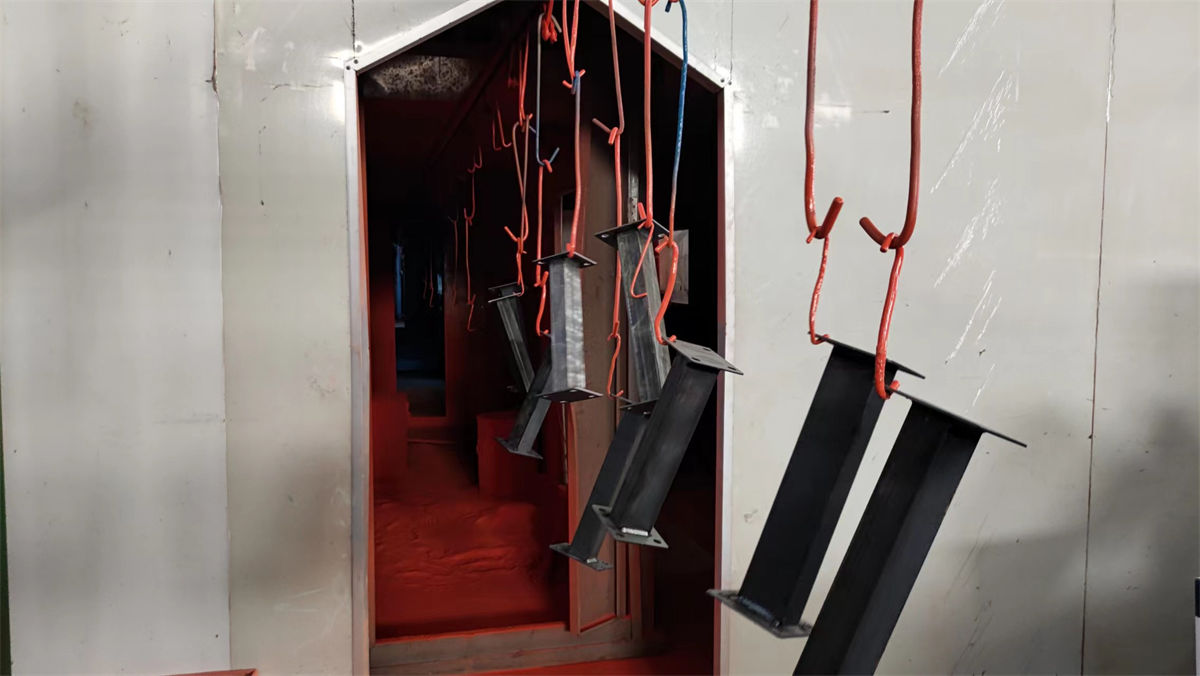
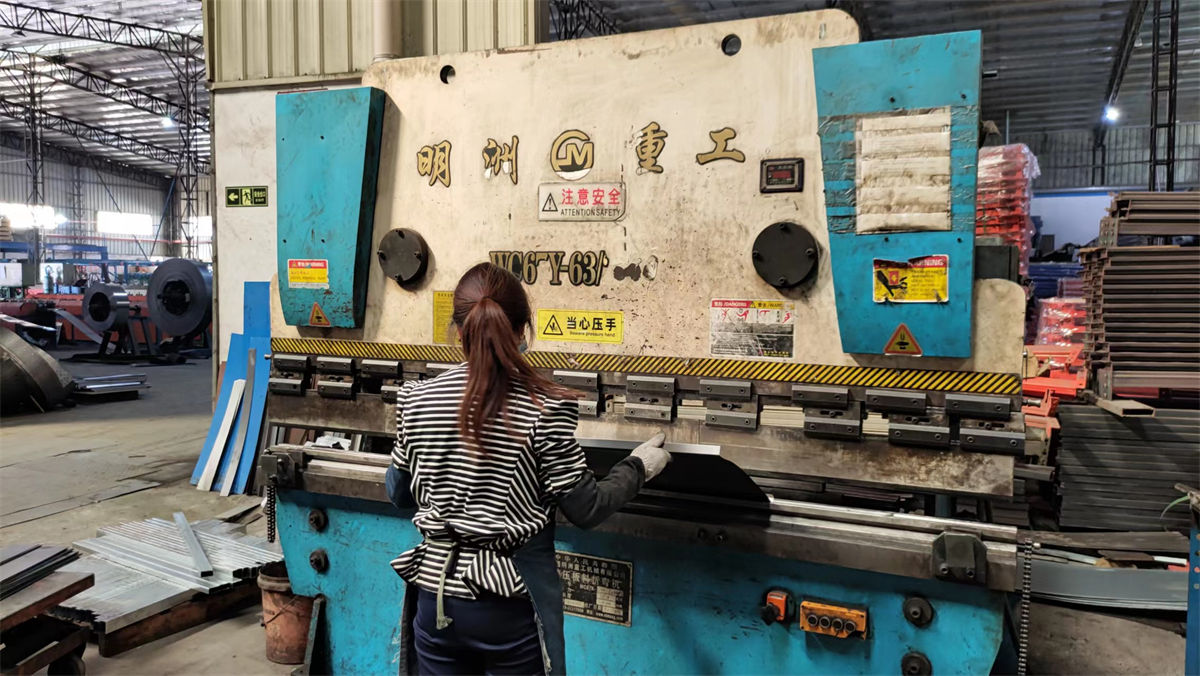
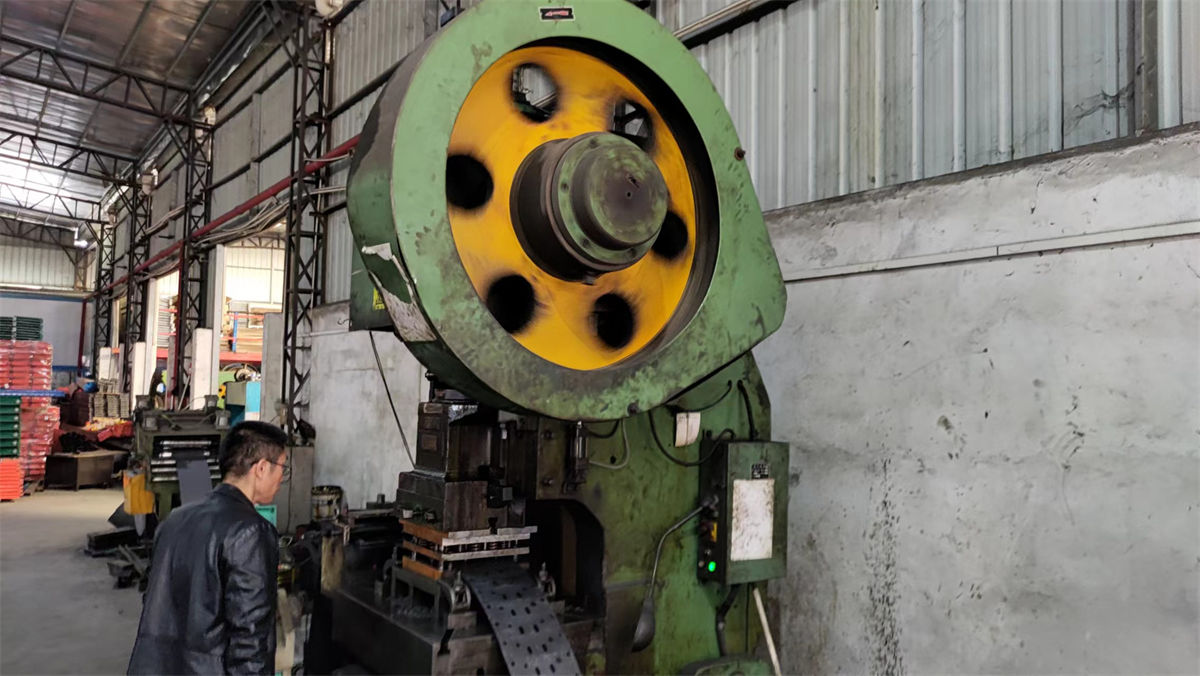
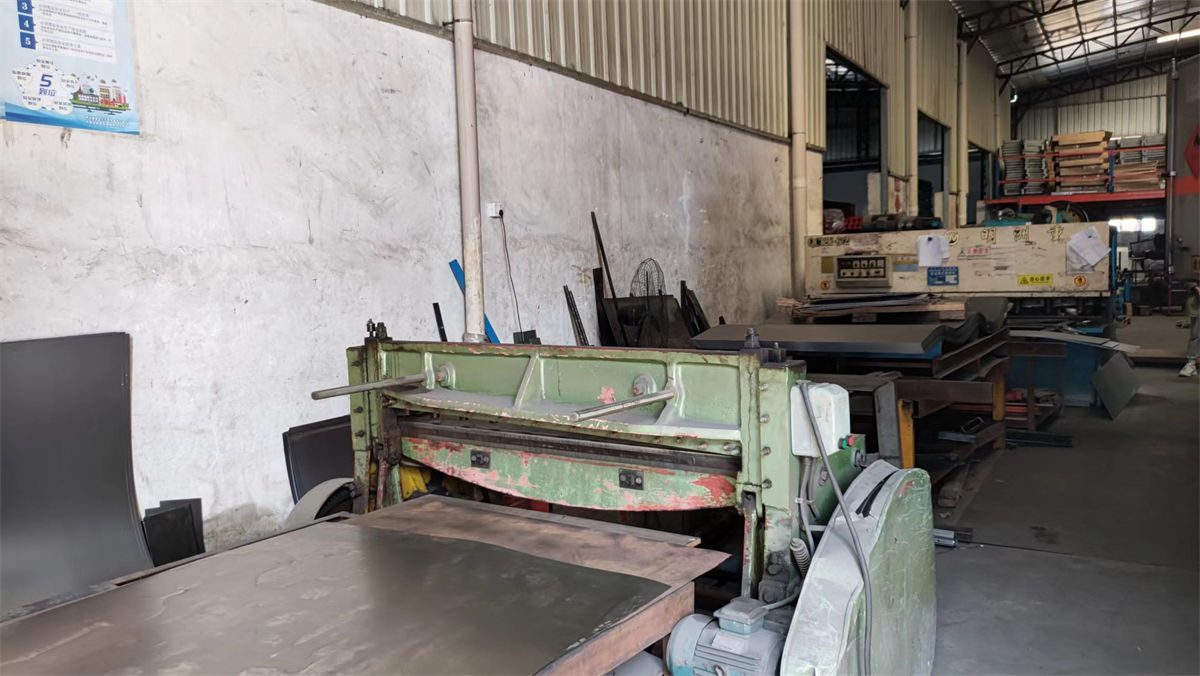
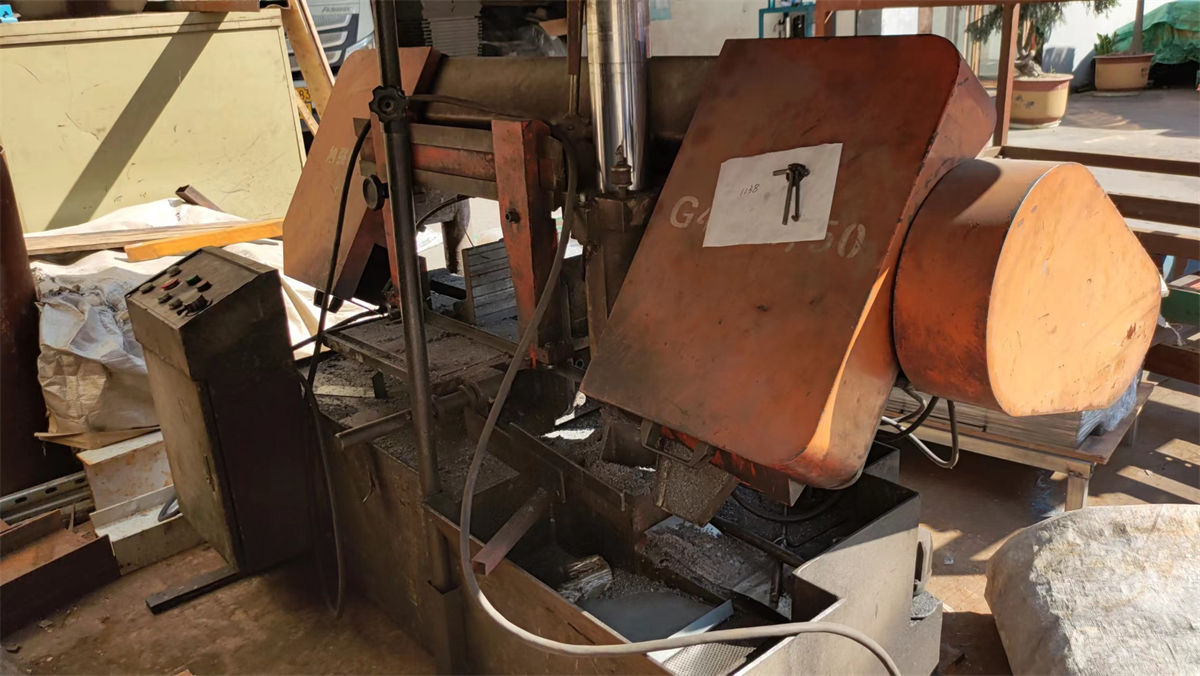
Our expansive 18,500㎡ facility is optimized with CNC processing machinery, cold roll-forming lines, laser profiling tools, and structural weld stations. With a dedicated network of 850+ trusted suppliers and partners, we deliver bespoke, heavy-duty solutions engineered to maximize storage density, speed picking workflows, and improve operational safety under demanding conditions.
A deep dive into structural design parameters, load dynamics, material selection, and ergonomic optimization for industrial environments.
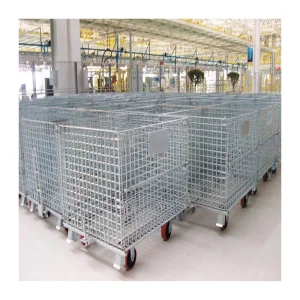
In modern industrial facilities, custom carts and trolleys are the dynamic link between static racking systems and the operational floor. Engineering these mobile units requires calculating load distributions, dynamic stress loads, and environmental resistance. While standard retail carts rely on thin-gauge wire or structural plastics, industrial-grade carts require heavy-walled structural steel tubing, channel sections, and sheet plate steel to resist mechanical deformation.
Our R&D team selects high-grade steel alloys such as Q235B and Q355B for all load-bearing structural members. Q235B steel is preferred for its balance of yield strength and ductility, ensuring excellent weld performance under robotic gas metal arc welding (GMAW) processes. For high-capacity applications exceeding 1,500 kg per cart, we use Q355B low-alloy steel, which offers up to 50% higher yield strength, minimizing wall thickness while retaining rigidity.
A cart's load capacity and rolling efficiency depend heavily on its castor setup. Selecting the right castor involves analyzing load limits, floor type, push/pull resistance, and environment:
Manual handling injuries account for a significant portion of warehouse incidents. Ergonomically designed carts minimize start-to-move force and sustained rolling force. Our engineering department uses push/pull force analysis protocols aligned with ISO 11228-2 standards. Handles are placed at optimal heights (typically between 900mm and 1,000mm from the floor) to allow natural hand placement and posture. We also integrate floor locks, dead-man braking systems, and central braking systems to ensure maximum worker safety on ramps or dock plates.
| Technical Parameter | Standard Spec Option | Premium Heavy Duty Spec | Custom OEM Options |
|---|---|---|---|
| Main Material | Q235B Carbon Steel | Q355B Structural Low-Alloy Steel | Stainless Steel (304/316) / Aluminum Al-6061 |
| Wall Thickness | 1.5mm - 2.0mm Tubing | 2.5mm - 4.0mm Formed Channels | Up to 6.0mm for critical load nodes |
| Castor Configuration | 4" or 5" PP/Rubber Castors | 6" or 8" PU on Iron Core Heavy Castors | ESD Conductive / High-Temp Castors |
| Surface Finish | Electrostatic Powder Coating (60-80μm) | Hot-Dip Galvanized (>85μm) | Electro-Zinc + Clear Passivation / Brushed |
| Load Capacity (U.D.L) | 150 kg to 500 kg | 600 kg to 2,000 kg | Engineered to specific requirements (>2,500 kg) |
How our strategically situated facility in Guangzhou leverages the Pearl River Delta industrial ecosystem to deliver value.
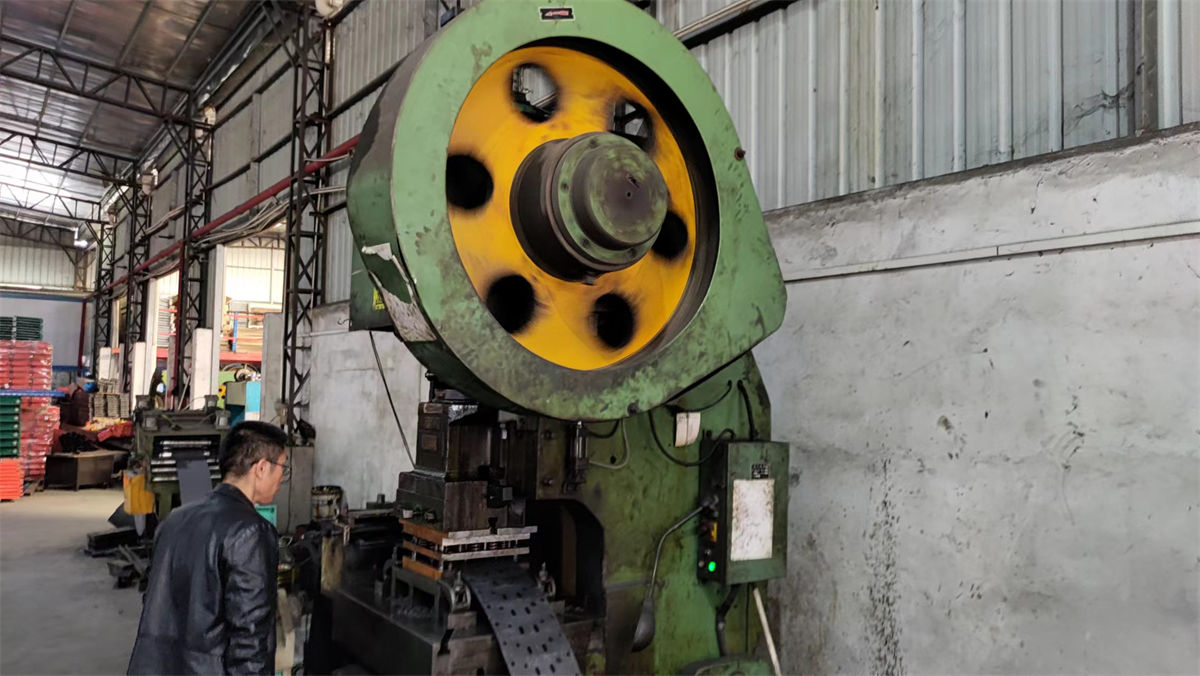
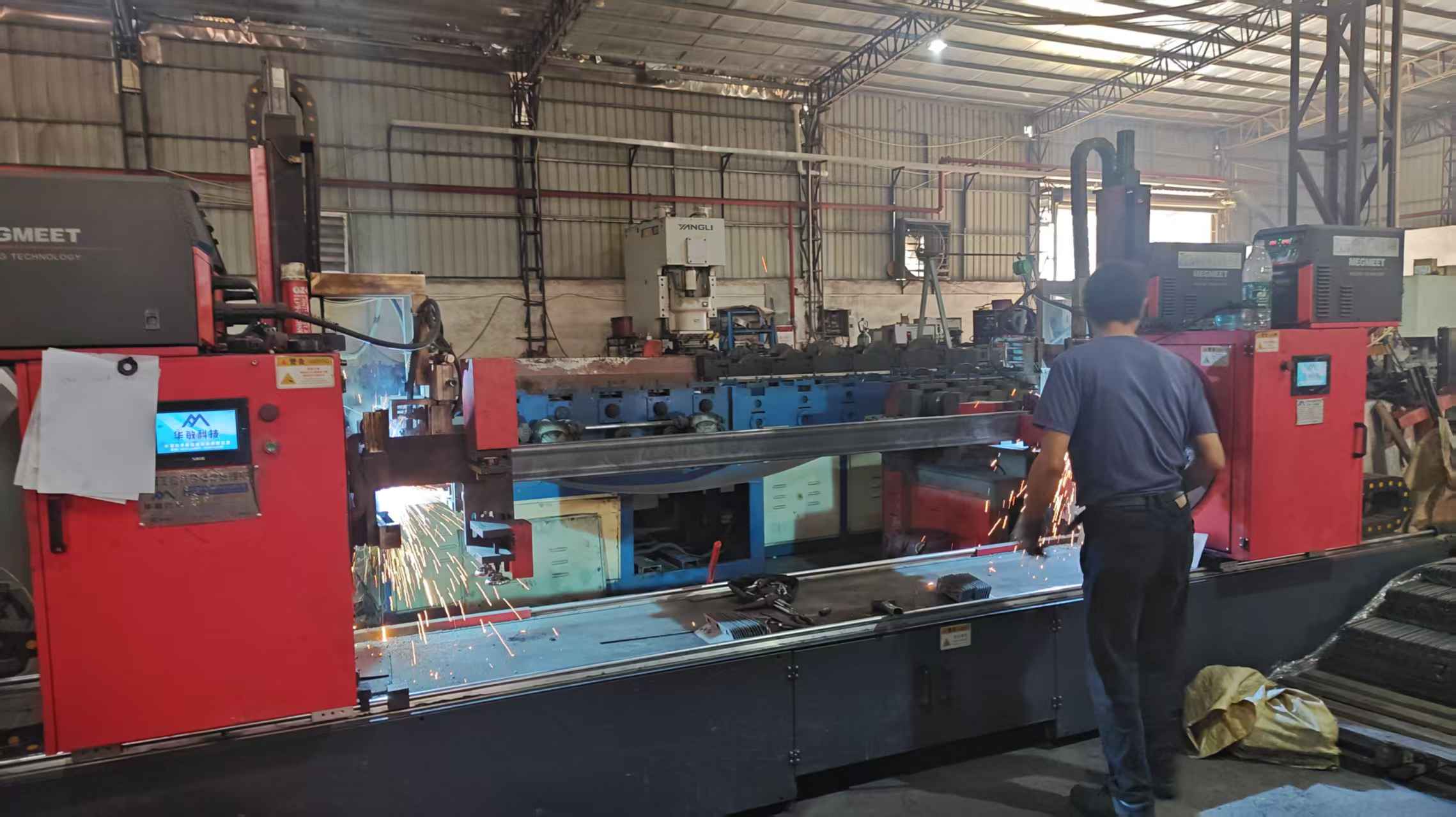
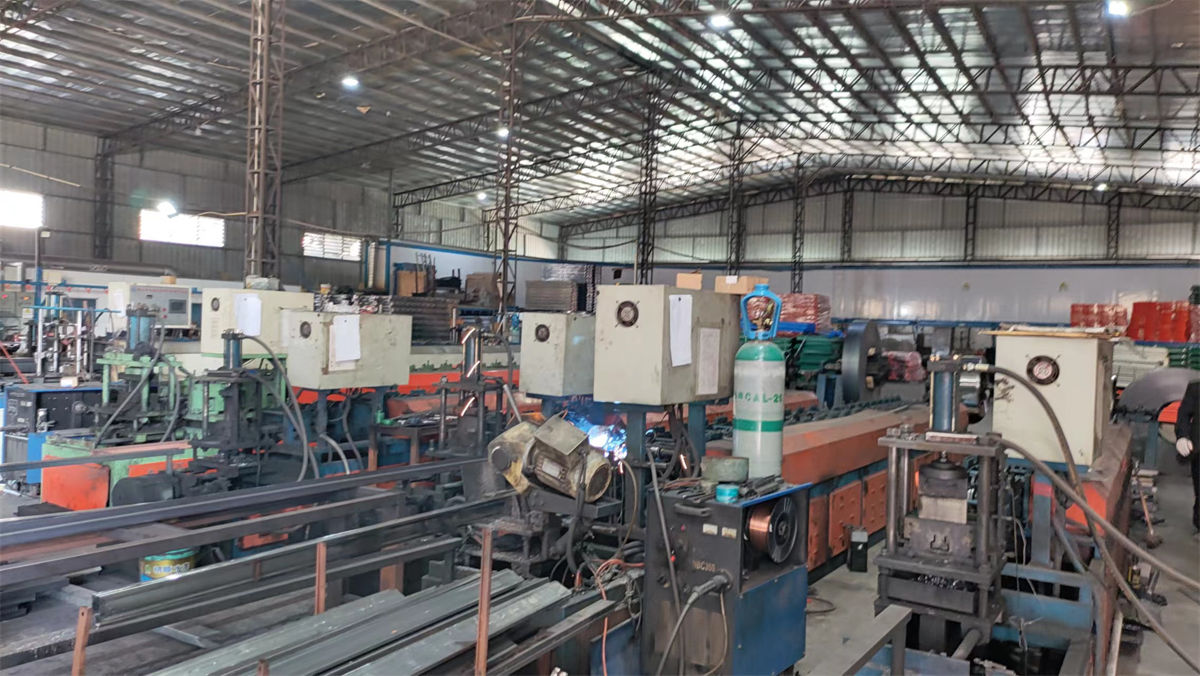
Our production floor uses automated cutting, punching, and welding cells. This robotic welding ensures consistent weld penetration, clean joints, and eliminates defects common in manual batch welding. This allows us to scale production while keeping structural integrity high.
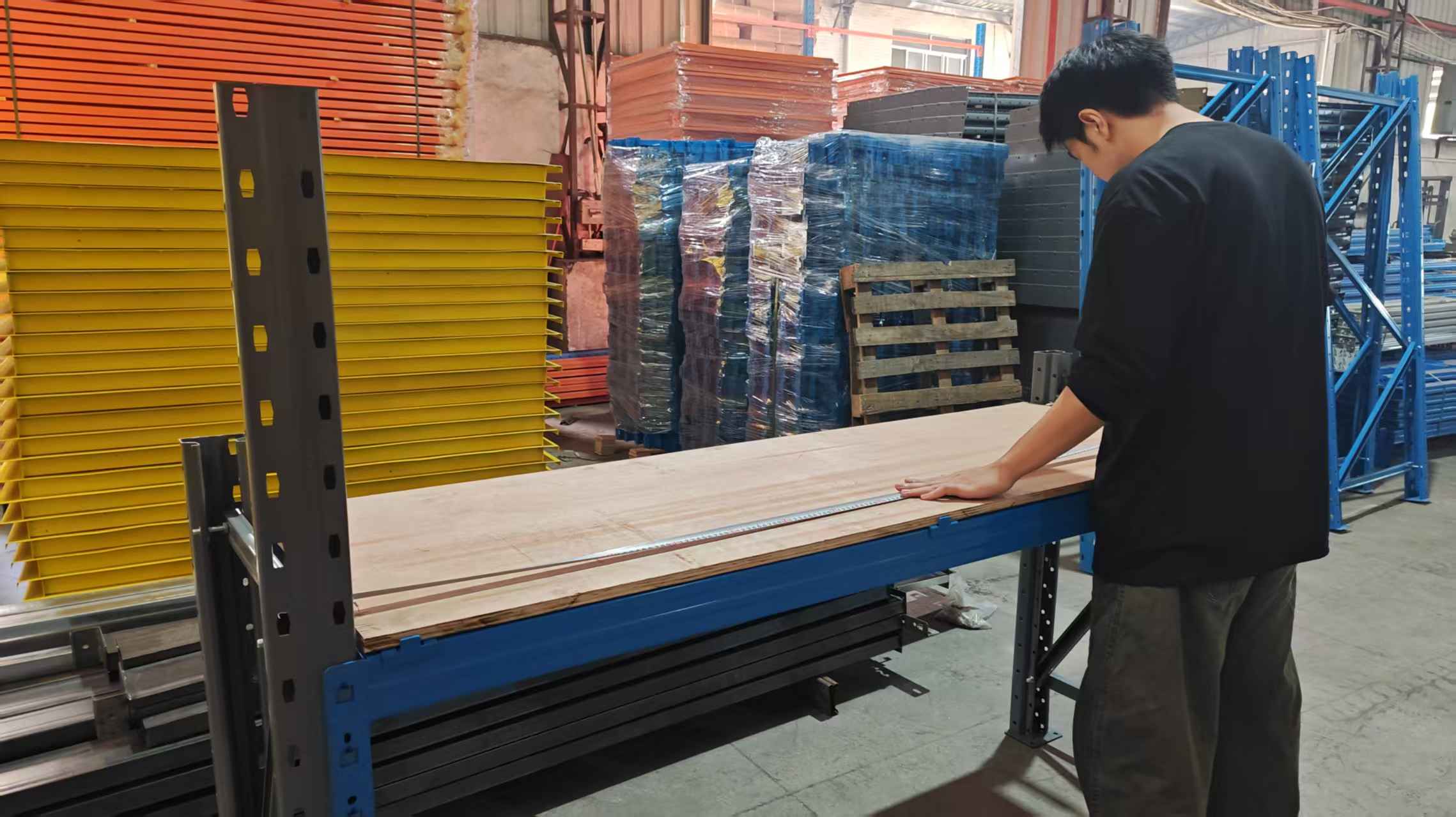
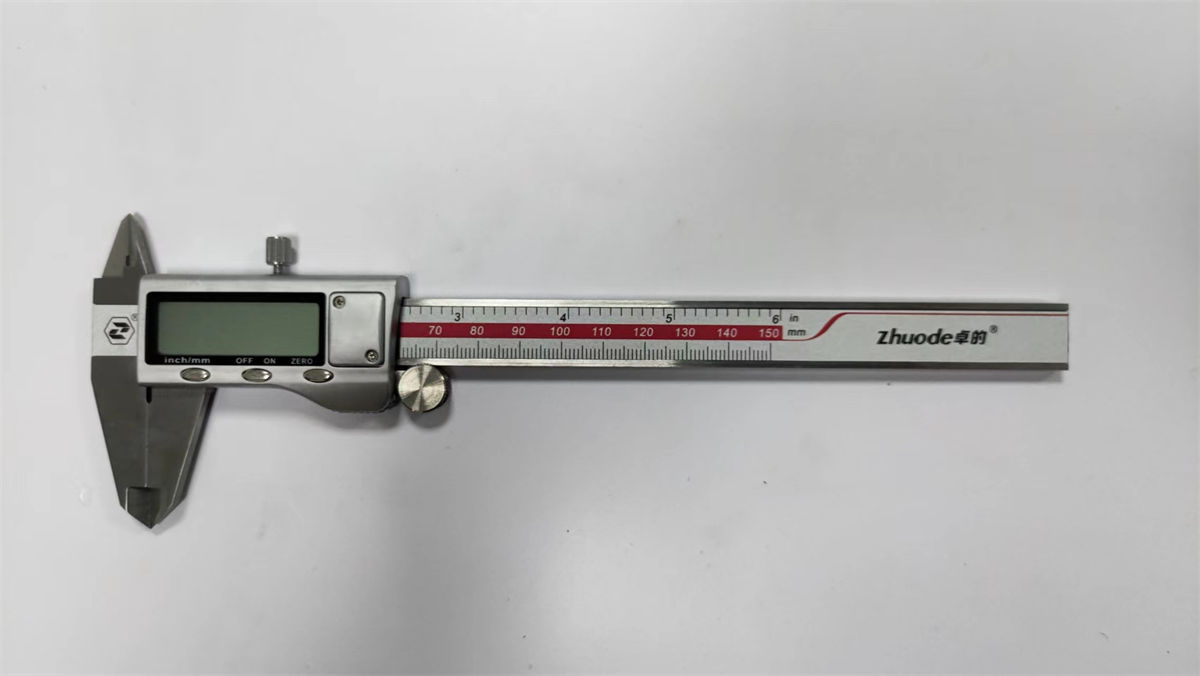
Our quality control process is integrated throughout production. Led by 45 professional inspectors, our inspections cover raw material verification, welding quality, dimensional tolerances, powder coating thickness (using ultrasonic gauges), and static/dynamic load-bearing verification.
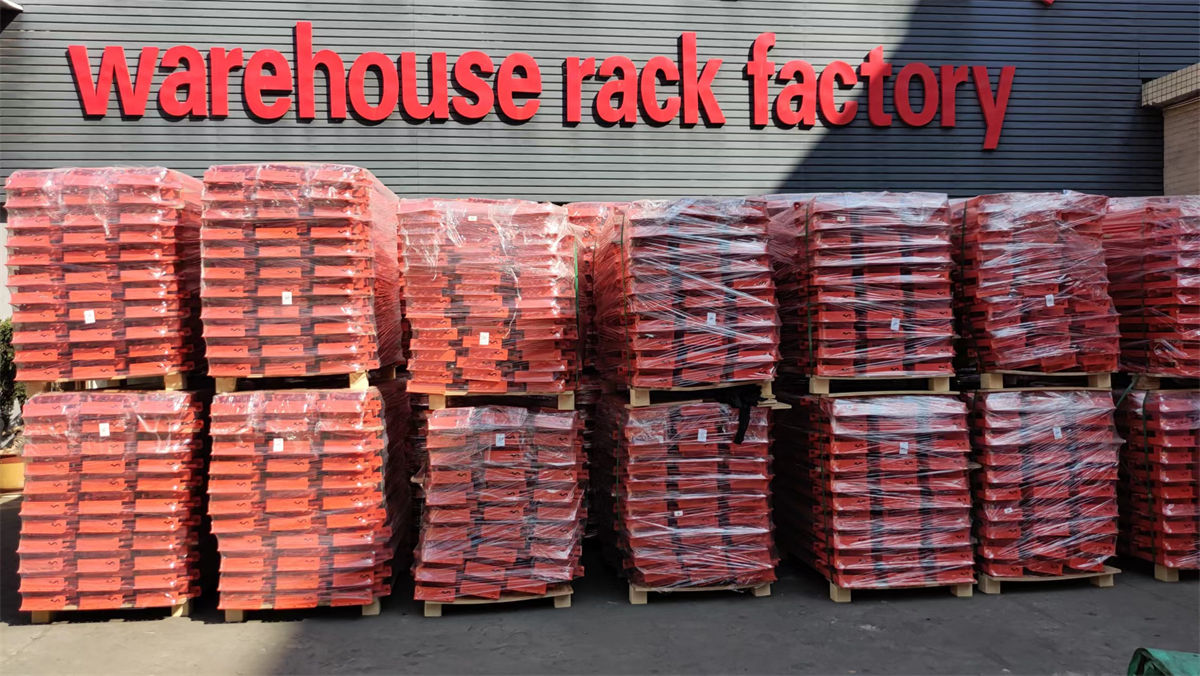
Located near major international shipping hubs like Guangzhou Port and Shenzhen Port, we minimize inland transit costs. We optimize our packaging designs (nestable, collapsible, or knockdown systems) to maximize container load densities, lowering sea freight costs for our international customers.
Meeting localized industrial requirements and structural engineering standards across North America, Europe, and Asia-Pacific.
Enterprise buyers need equipment that complies with local workplace safety regulations and industrial standards. Guangzhou Xinmiao ensures all design variants and structural models meet or exceed localized codes, such as OSHA Title 29 CFR in the United States, EN 1757-3 (Safety of Industrial Trucks - Manual and semi-manual platforms) in the European Union, and AS 4084 for racking-adjacent operations in Australia.
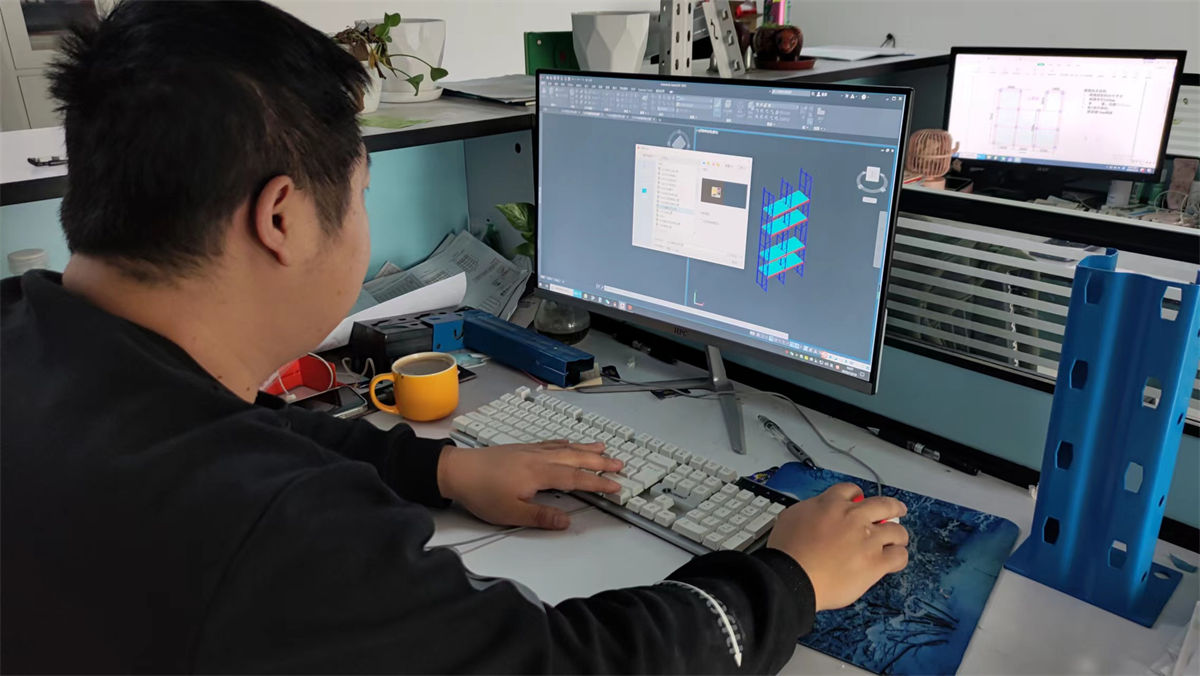
Our engineers provide complete finite element analysis (FEA) reports for custom structural cart components, verifying structural margins before production begins. For high-volume contracts, we coordinate third-party testing with agencies like SGS or TÜV Rheinland to verify chemical composition, tensile strengths, and anti-corrosion layer durability.
How industrial digital transformation, automated guided vehicles, and ergonomic updates shape custom trolley designs.
Industrial warehousing is shifting from purely manual operations toward hybrid automation. Custom industrial carts and trolleys are adapting to integrate with automated systems. Key trends driving the development of next-generation carts include:
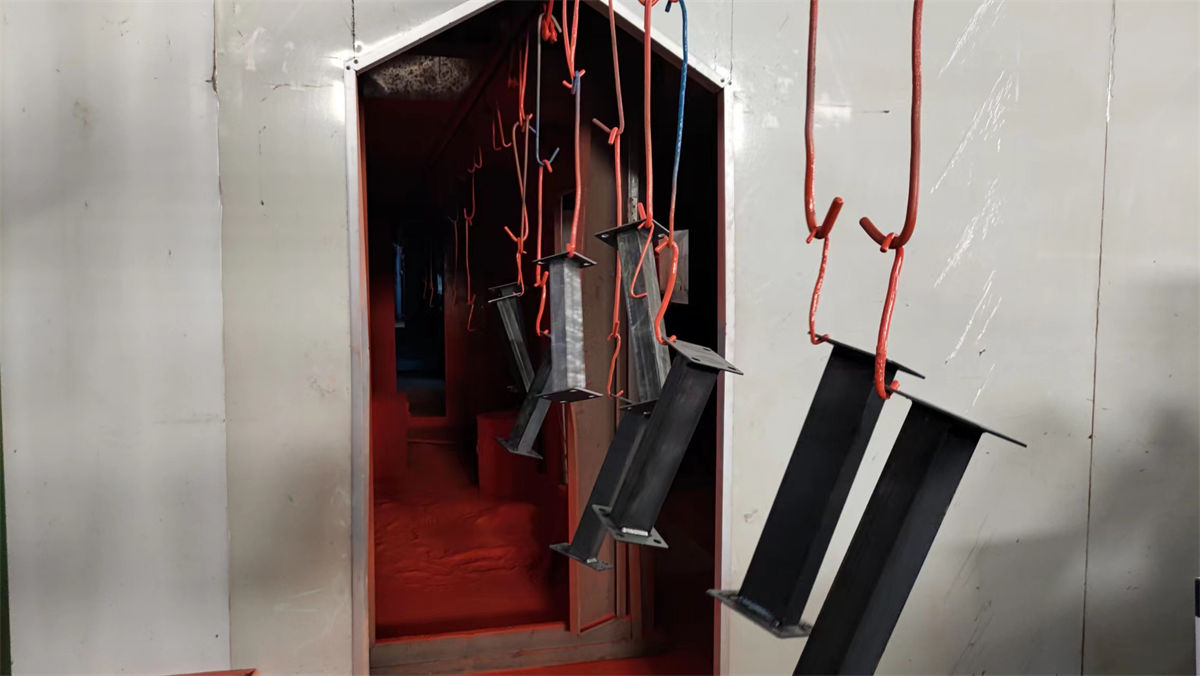
A visual tour of our machinery, quality control, and testing protocols inside our Guangzhou factory.
Technical answers regarding custom industrial carts, OEM procurement, lead times, and engineering specifications.
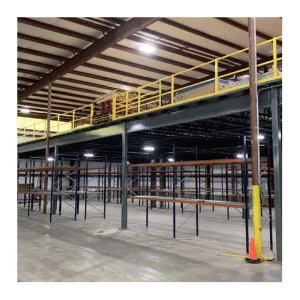
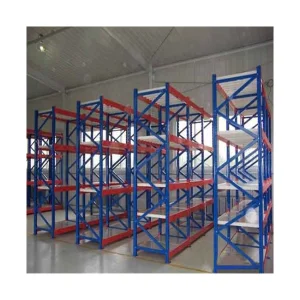
Heavy-duty structural storage configurations designed to maximize height and density on the warehouse floor.
 Xinmiao Storage