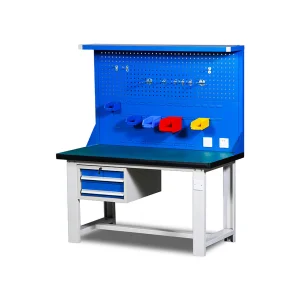
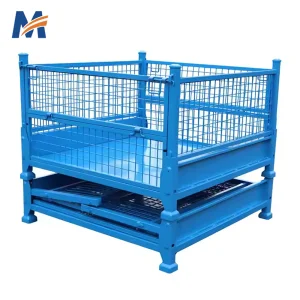
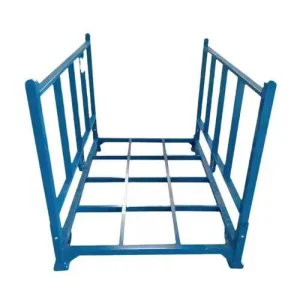
Engineered for maximum optimization of vertical space, heavy load capacities, and seamless warehouse operations.

An in-depth whitepaper analysis of space optimization, structural engineering, and economic efficiency in modern material handling.
In the modern industrial era, global distribution centers, smart factories, and logistic hubs are facing unprecedented challenges in spatial footprints. Real estate acquisition costs in metropolitan areas have surged exponentially. Businesses can no longer afford to expand horizontally. Instead, structural engineers and warehouse planners are turning to vertical optimization strategies. Among these, the Industrial Mezzanine Floor System has emerged as the most cost-effective solution for multiplying operational area without civil construction modifications.
Unlike standard concrete expansions, structural steel mezzanines leverage the unused cubic volume of high-clearance buildings. By integrating robust support columns, primary beams, and decking options, these platforms effectively create dynamic multi-level environments. These structures accommodate heavy storage systems, automated sorting systems, corporate offices, or auxiliary assembly lines, providing maximum return on investment (ROI).
The industrial shelving and mezzanine sector is experiencing rapid transformation driven by automation, material science, and green manufacturing practices. Industry 4.0 has integrated automated guided vehicles (AGVs) and autonomous mobile robots (AMRs) directly onto mezzanine structures. This integration requires engineers to recalculate dynamic load distributions, vibration dampening variables, and flooring flat-tolerance criteria.
Furthermore, structural steel manufacturers are migrating toward sustainable processes. Utilizing high-tensile Q235 and Q355 steel alloys enables lighter profiles with higher load threshold limits, reducing material consumption and transportation footprint. State-of-the-art electrostatic powder coating systems are replacing traditional wet paints to completely eliminate volatile organic compound (VOC) emissions, providing superior resistance to wear, impacts, and corrosion.
Designing structures to survive long operational lifespans demands compliance with strict regional regulations. Top-tier China manufacturers prioritize international regulatory alignments. Designs undergo finite element analysis (FEA) to confirm safety configurations in accordance with the Rack Manufacturers Institute (RMI) guidelines in North America, the FEM standards in Europe, and the AS4084 regulations in Australia. Key engineering aspects like seismic zoning, soil bearing capability, active emergency fire exits, and dynamic live loads are mapped at structural initialization stages.
Guangzhou Xinmiao Storage Equipment Co., Ltd. - Driving industrial storage solutions through strict manufacturing controls and state-of-the-art engineering.
Established in 2016, Guangzhou Xinmiao Storage Equipment Co., Ltd. is a globally-recognized, professional manufacturer specializing in heavy-duty warehouse storage solutions, industrial racking, and custom structural mezzanine flooring systems. Over our 12 years of industry experience and 8 years of dedicated international export track record, we have successfully partnered with more than 850 suppliers and distributors across major global markets including North America, Europe, Southeast Asia, the Middle East, and Australia.
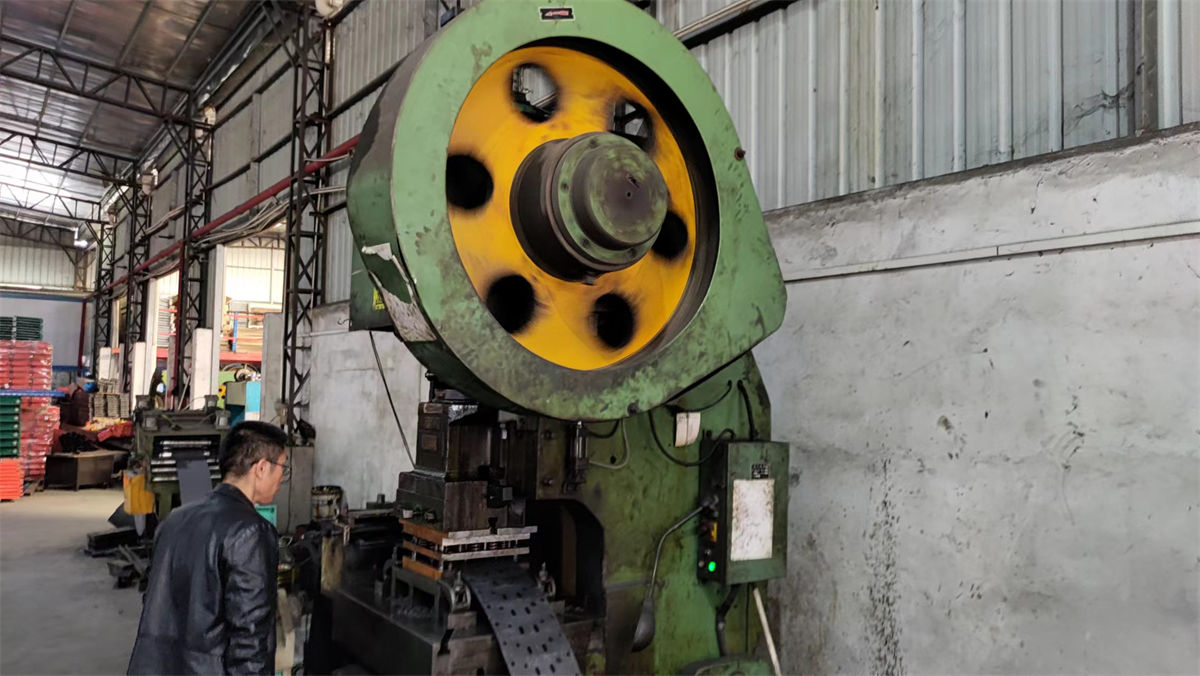
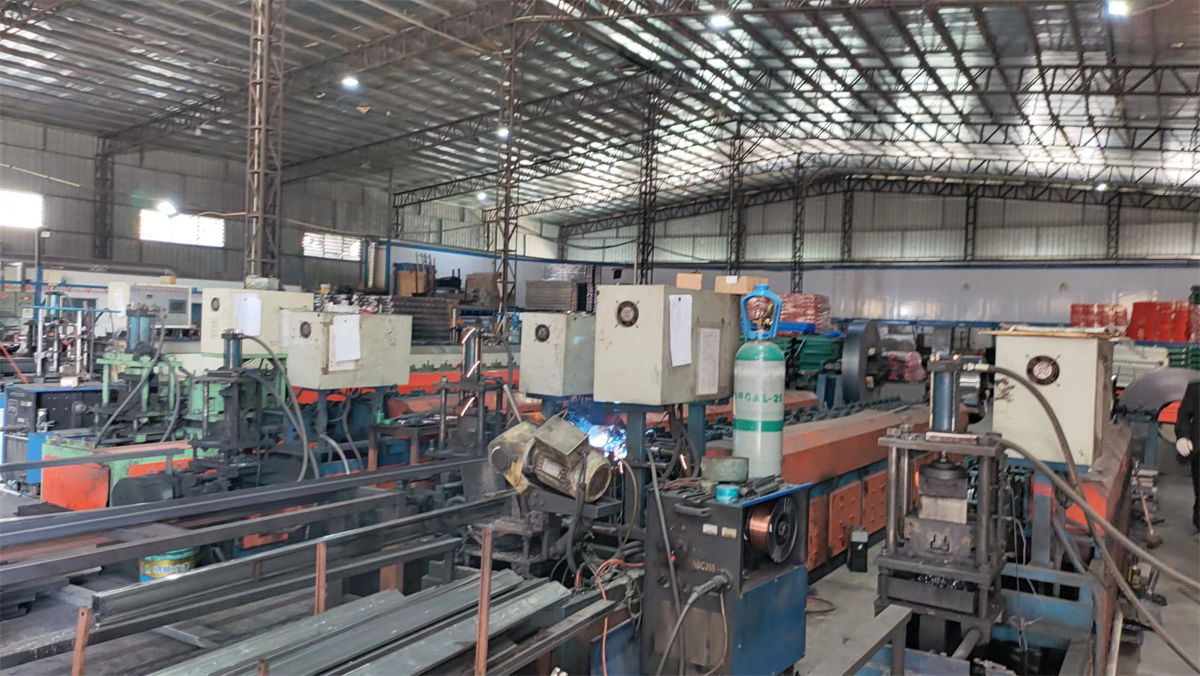
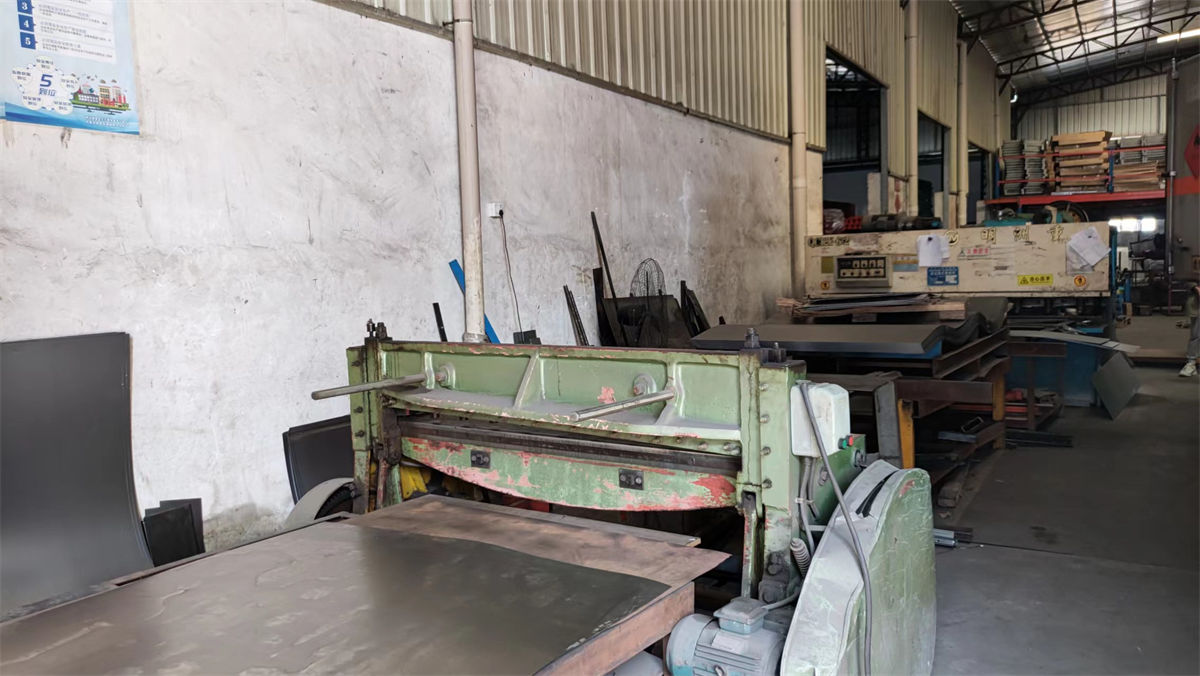
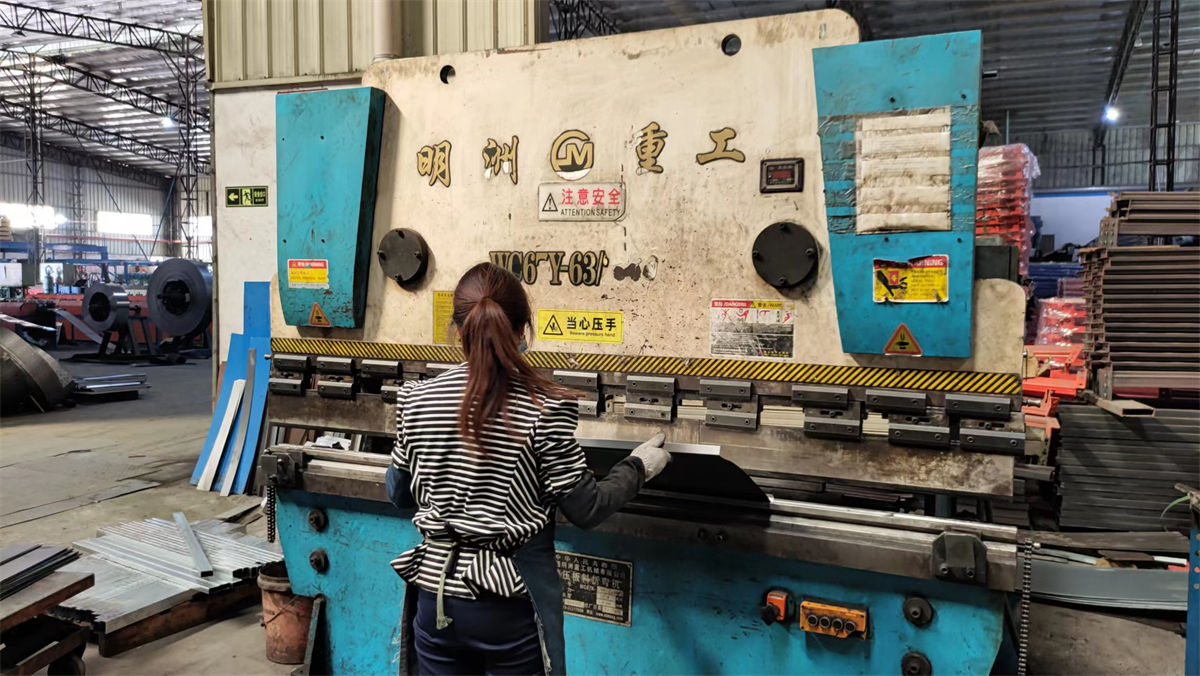
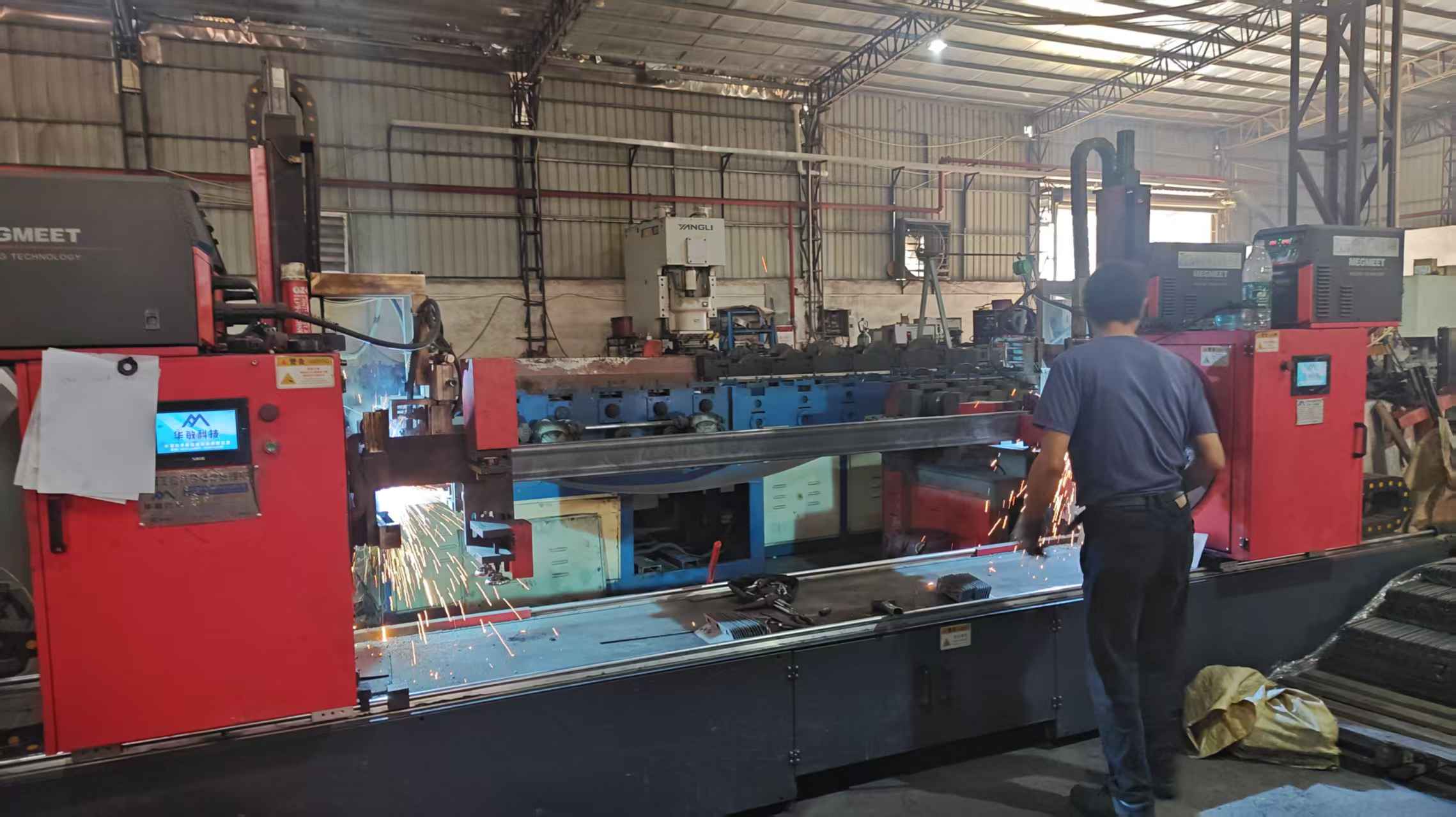
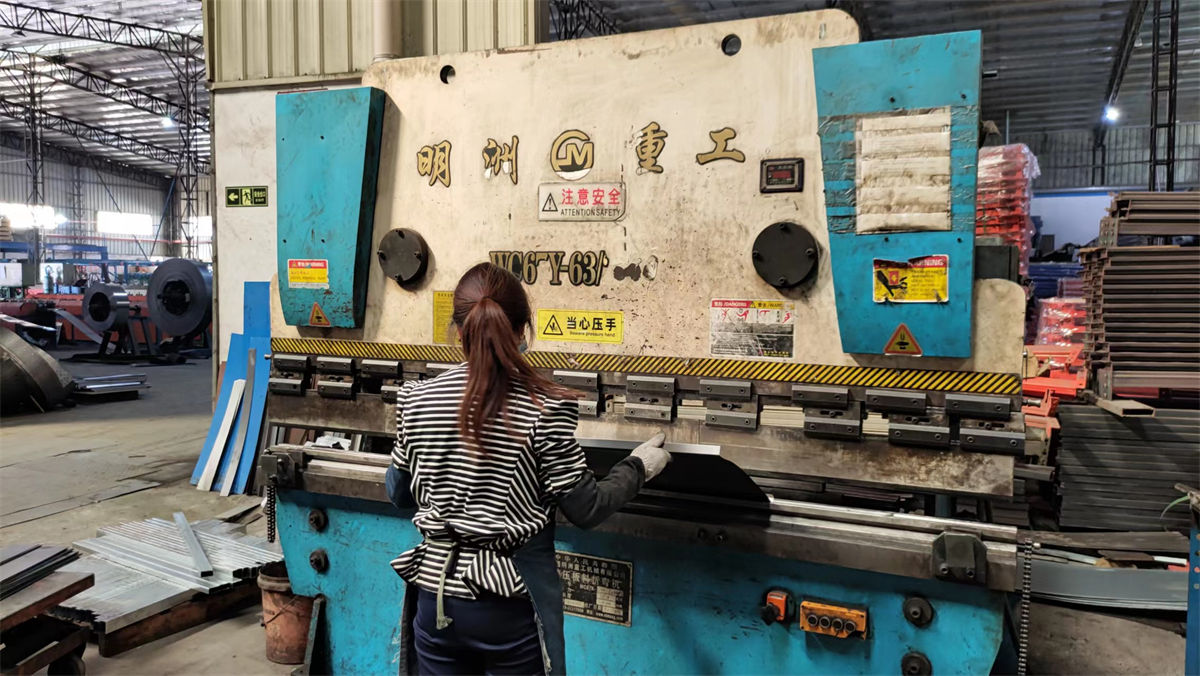
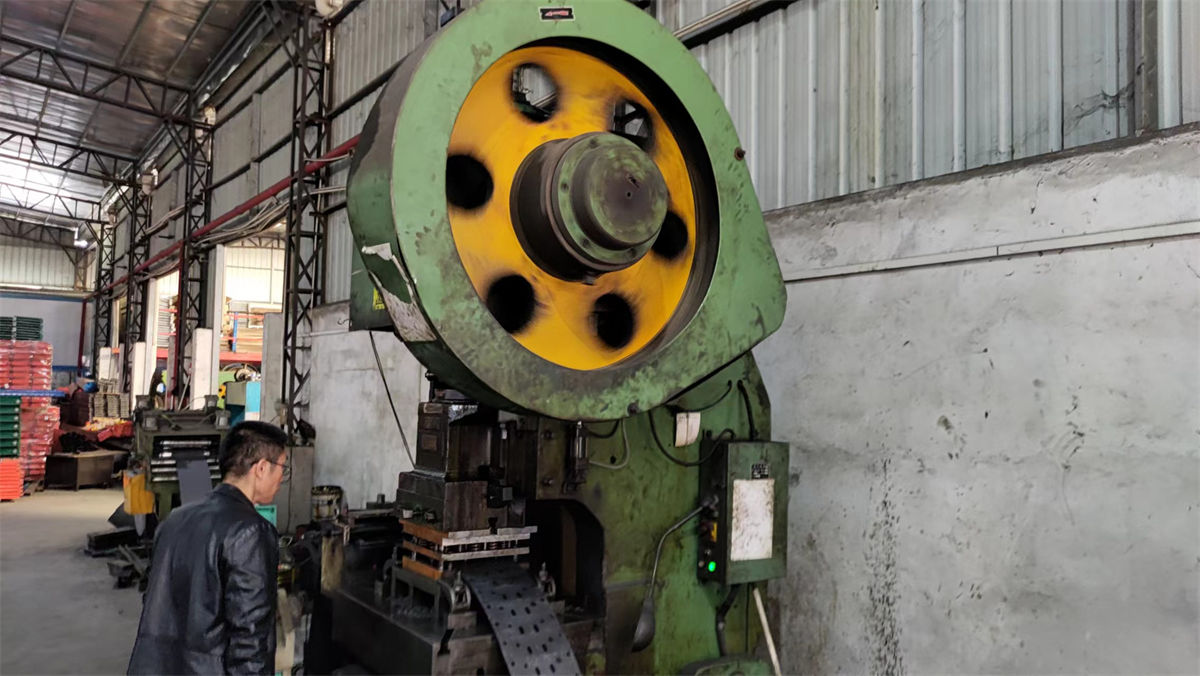
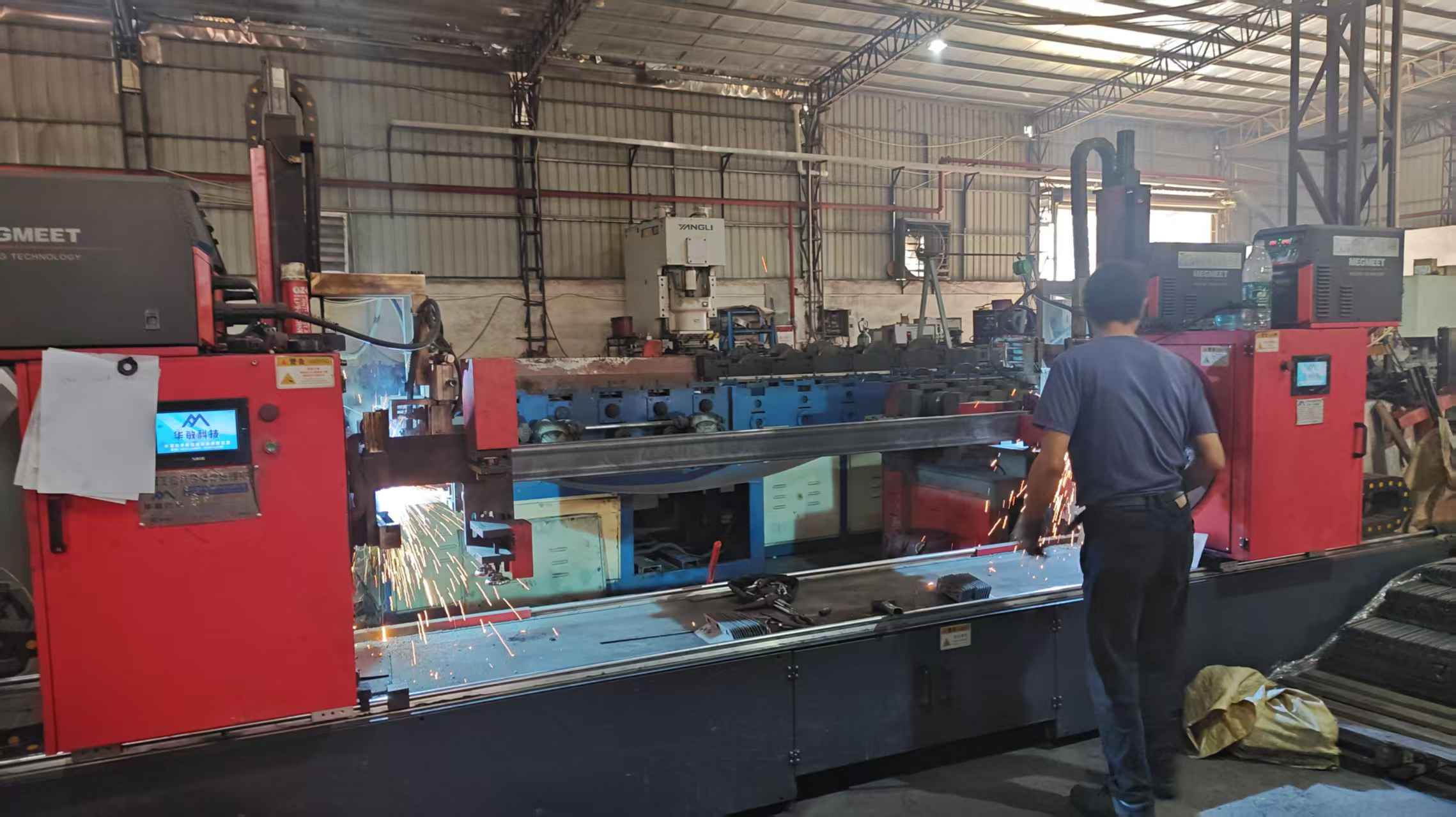
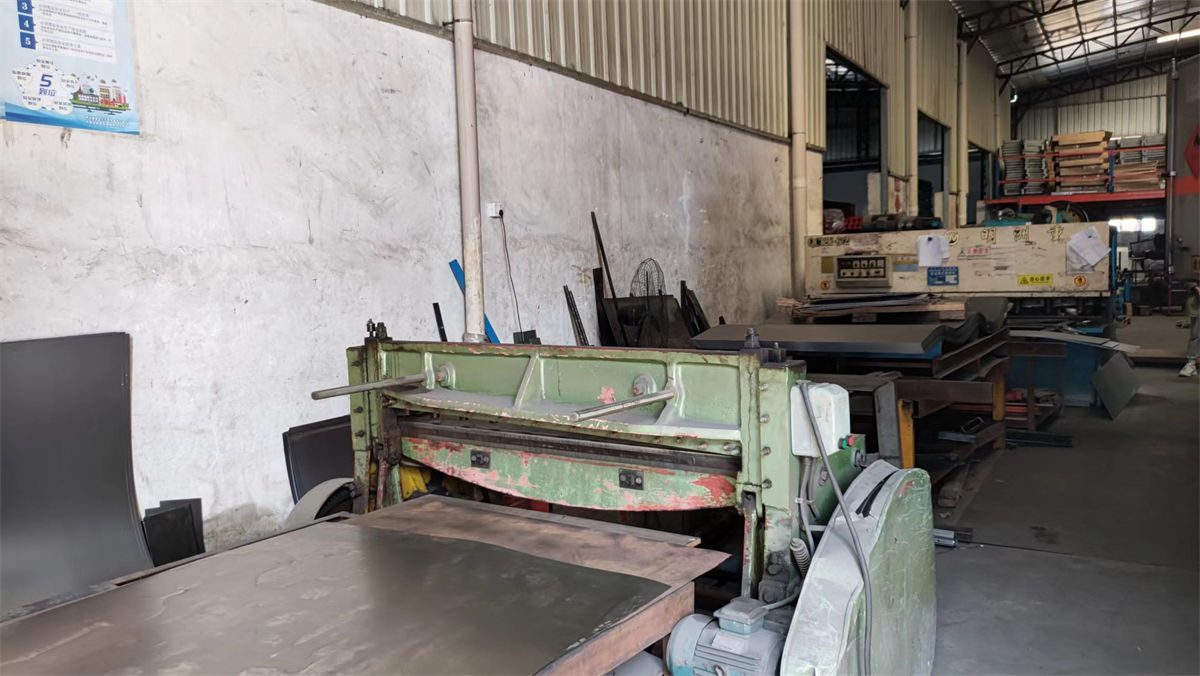
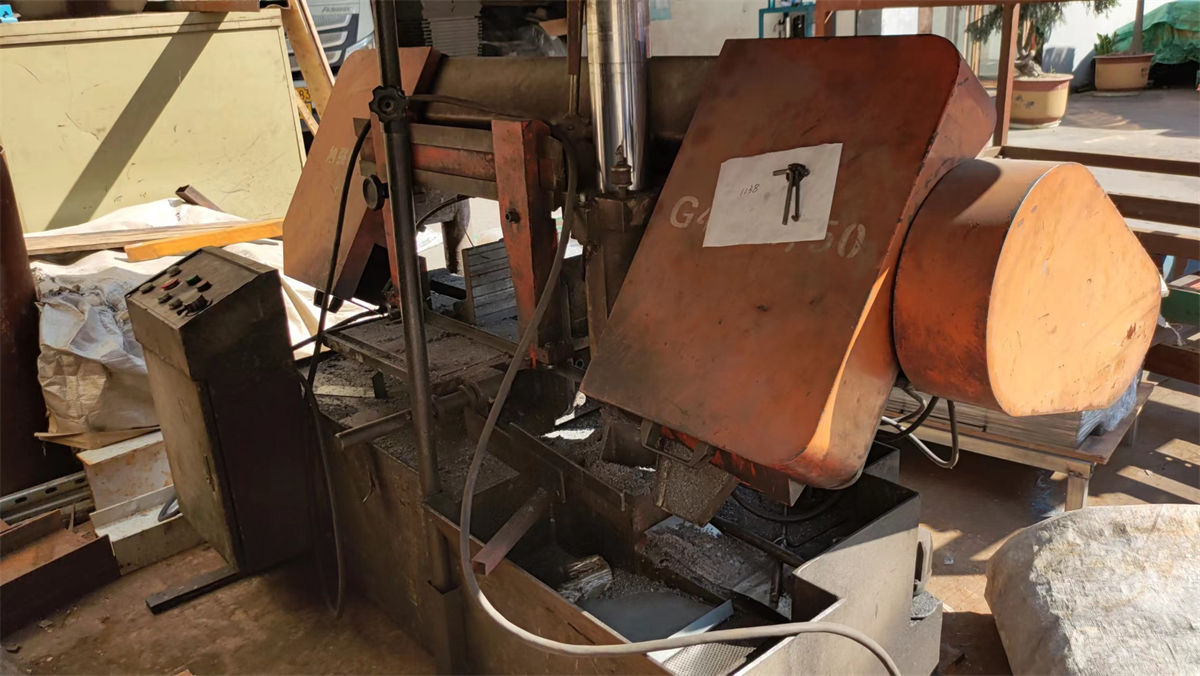
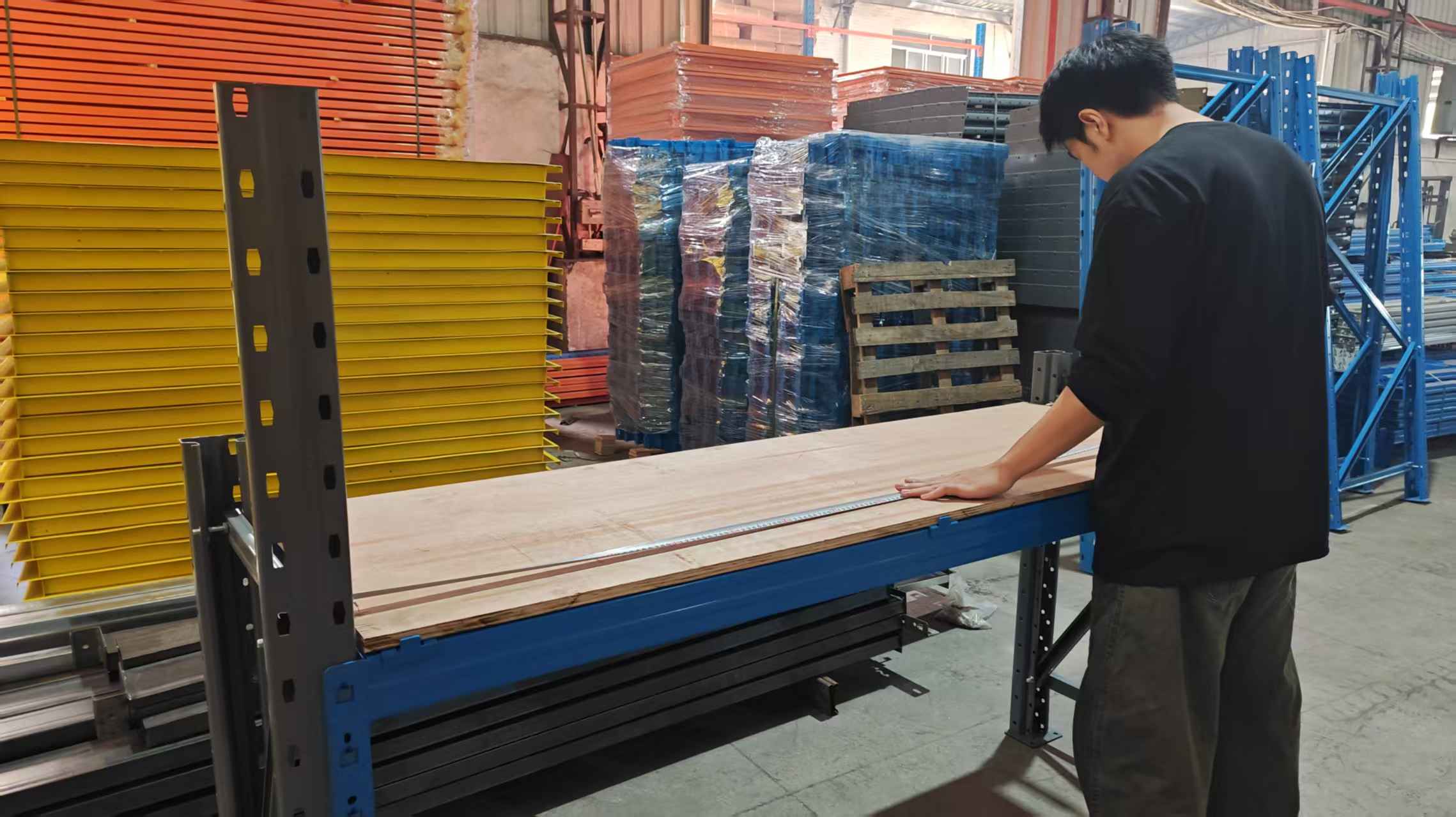
Our advanced factory features state-of-the-art automated production processing facilities and a strict quality management system. To guarantee unmatched durability, safety, and operational longevity, our 45-person QC inspection team conducts thorough tests across the entire production line: raw material testing, welding structural integrity inspection, precision dimensional measurements, electrostatic surface coating inspections, static and dynamic load-bearing tests, and final product quality evaluation. Leveraging laser measurement technologies and advanced hydraulic load testing equipment, we ensure that every structure deployed stands strong under challenging environments.
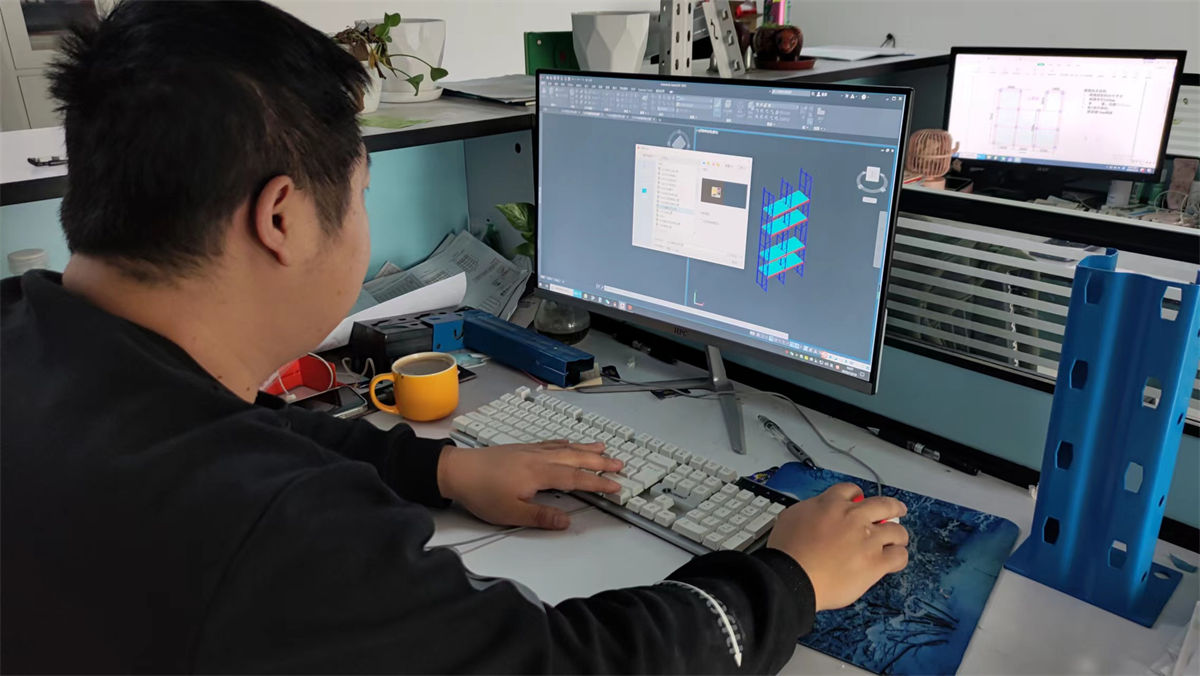
Visualizing our step-by-step technological workflow from raw steel components to fully certified warehouse racking systems.
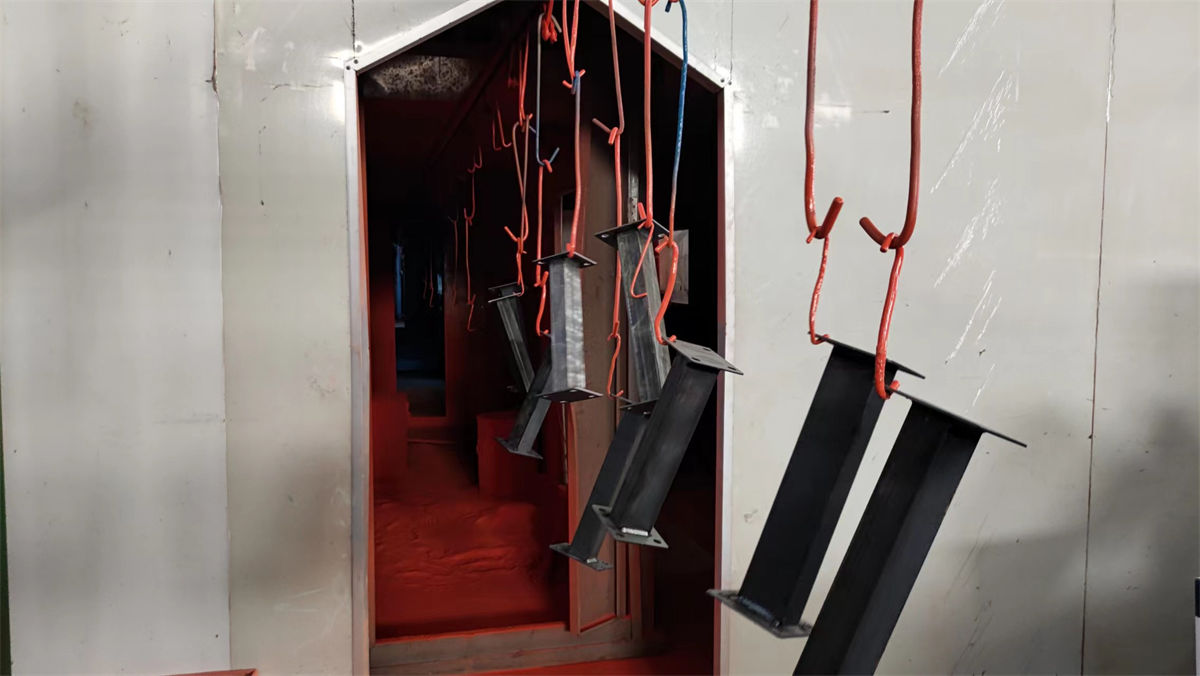
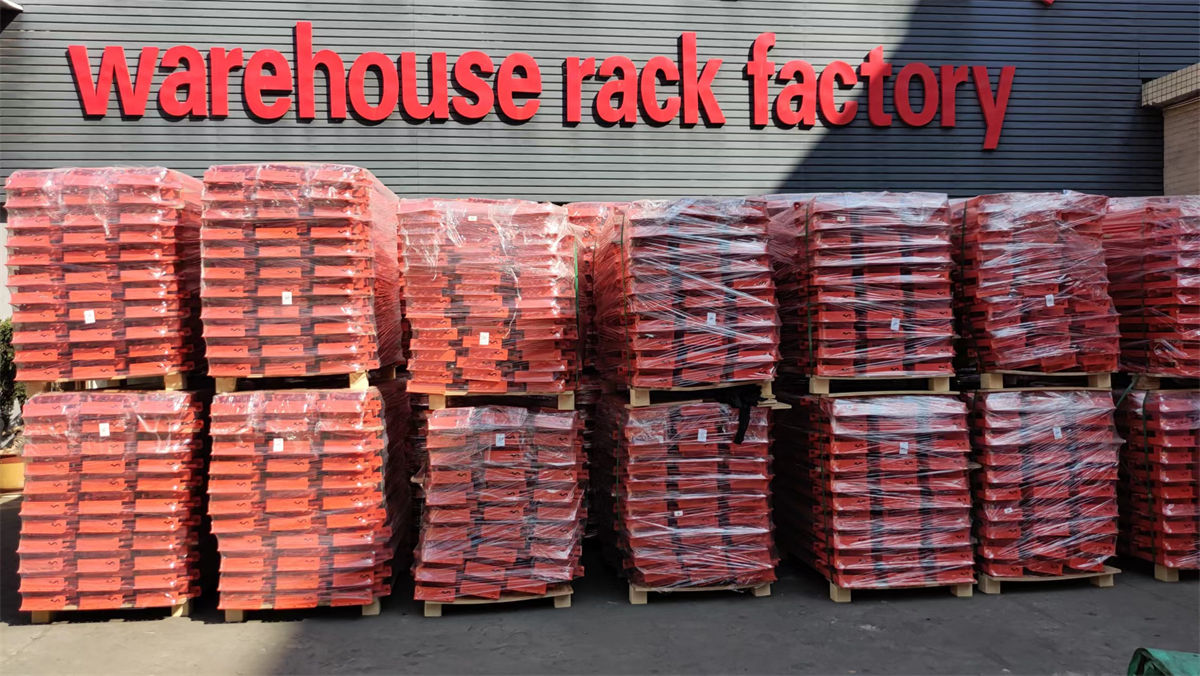
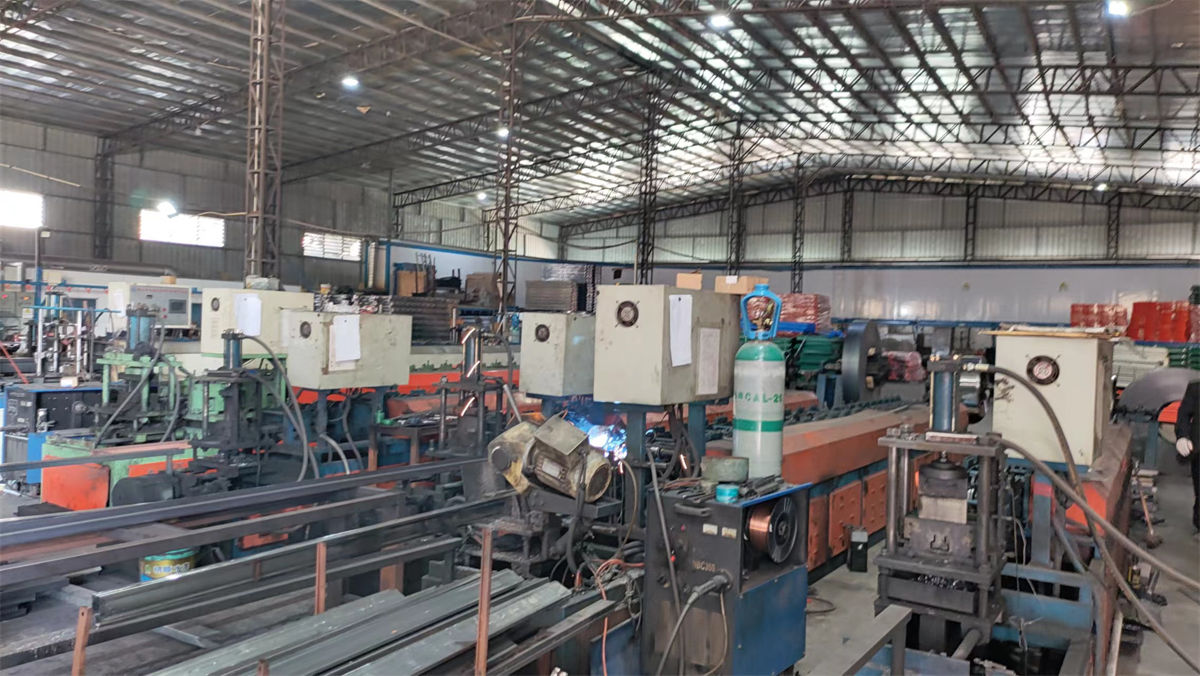
How differing regulatory and structural demands across geographic zones define local mezzanine parameters.
| Region | Dominant Application Scenario | Standard & Compliance Focus | Preferred Flooring System |
|---|---|---|---|
| North America | Large-scale e-commerce warehouses, multi-tier fulfillment systems | OSHA, IBC, AISC, RMI standards | Heavy duty steel grating or bar grating with plywood overlay |
| Europe | Urban logistics networks, high-density manufacturing, auto parts hubs | Eurocode 3, FEM, CE Marking, EN 1090 | Pre-laminated particle board (P6 grade), textured metal decking |
| Southeast Asia | Light electronics manufacturing, raw chemical processing hubs | Localized building codes, seismic designs | Galvanized checker plates, standard cold-rolled steel plates |
| Middle East | Temperature-controlled cold rooms, dry foods distribution centers | High temperature resistant structures, seismic zone configurations | Perforated powder-coated steel panels, concrete composite floors |
| Australia | Heavy machinery tooling shops, mining logistics supply bases | AS4084 Steel Racking Standards, AS/NZS Structural Steel | Open steel grid, structural composite particle boards |
A buyer's guide to custom architectural layout and industrial structural options.
Procuring a mezzanine floor system from China involves systematic coordination between the facility managers and the structural factory. A successful project lifecycle hinges on clear documentation of technical inputs: total load-bearing capacity requirements (ranging from light duty 200kg/㎡ up to heavy industrial storage configurations of 2000kg/㎡), clear vertical height allowances, fire safety constraints, and potential automation load lines.
During customization phases, Guangzhou Xinmiao Storage Equipment's 68 R&D engineers utilize CAD and Solidworks to output 3D models. These models calculate beam deflections, safety columns layout, load dispersion curves, and clear heights. These details help prevent common design errors such as column-obstacle interference, staircase safety risks, and handling system bottlenecks.
Our custom OEM/ODM services cover structural modifications, customizable color coatings matching corporate identities, dynamic staircase configurations, loading gates (sliding or swing gates), handrail designs, and comprehensive warehouse layouts. Selecting the appropriate decking material (whether structural steel, fire-retardant plywood, or concrete slabs) is also verified dynamically to meet exact material characteristics and fire protection standards.
For international shipments, optimized container loading plans are designed in-house to protect structural members from transit damage. Additionally, step-by-step modular installation guides and structural connection diagrams are supplied, allowing fast local assembly using pre-drilled bolted connections.
Expert insights addressing key regulatory, safety, and logistical queries regarding Mezzanine systems.
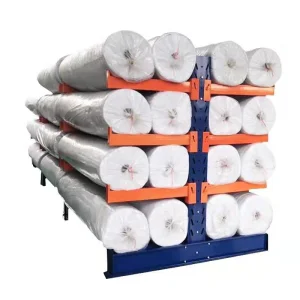
Explore our complete product catalog covering mobile, cantilever, multi-level, and automated warehouse racking systems.
 Xinmiao Storage