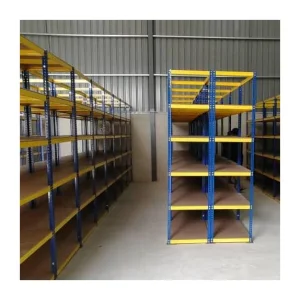
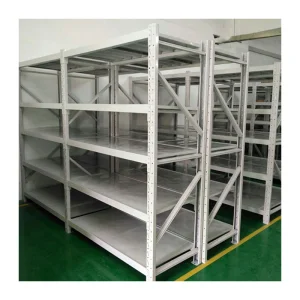
Top 10 Automated Shelving Factory & Suppliers

High-Density Intelligent Storage Solutions: The 2024 Industrial Evolution White Paper & Global Sourcing Guide

Global Status of Automated Shelving Industry

🌐Market Resilience

The global automated storage and retrieval system (AS/RS) market is projected to reach USD 12.5 billion by 2028. This growth is fueled by the explosive rise of e-commerce and the urgent need for labor-cost mitigation in North America and Europe.

🏗️Urban Micro-Fulfillment

Space optimization is no longer optional. Modern factories are moving toward verticality, utilizing automated shelving to maximize SKU density in urban hubs where real estate costs are astronomical.

🤖AI-Driven Logistics

Automation is transitioning from simple motorized racks to AI-orchestrated ecosystems. Warehouses now utilize machine learning to predict picking patterns, moving frequent items to high-access automated tiers.

Guangzhou Xinmiao Storage Equipment: A Professional Leader

Guangzhou Xinmiao Storage Equipment Co., Ltd. (Brand: Mracking) stands at the forefront of the warehousing revolution. Established in 2016, we have transformed from a traditional rack manufacturer into a global powerhouse for customized storage solutions.

18,500㎡Factory Area
$12MAnnual Export
12 YrsIndustry Expertise

With a dedicated R&D team of 68 engineers and a quality control force of 45 inspectors, we bridge the gap between heavy-duty engineering and smart logistics. Our reach spans across North America, Europe, Southeast Asia, and the Middle East, serving over 850 partners globally.
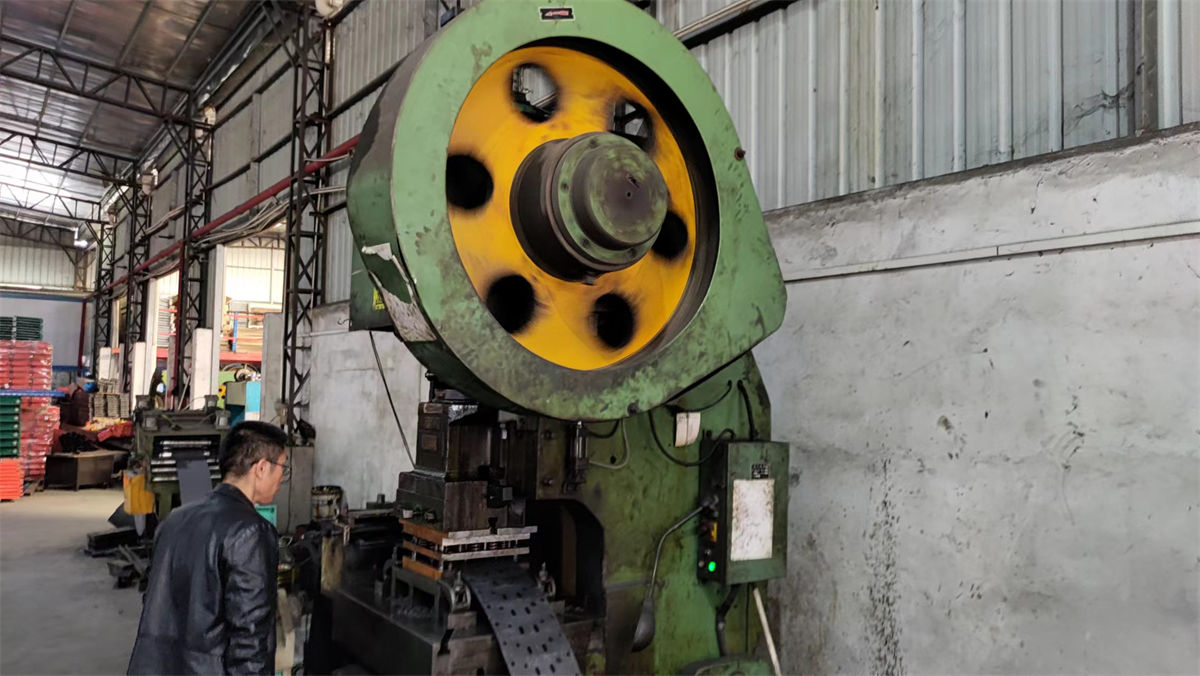
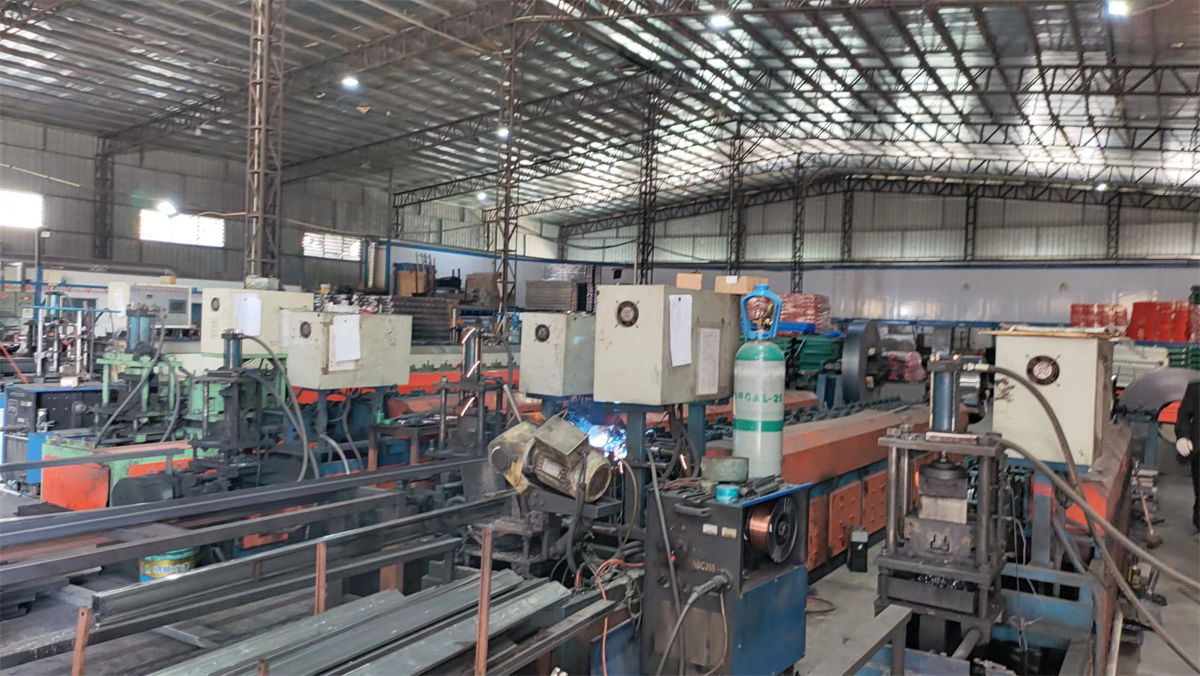
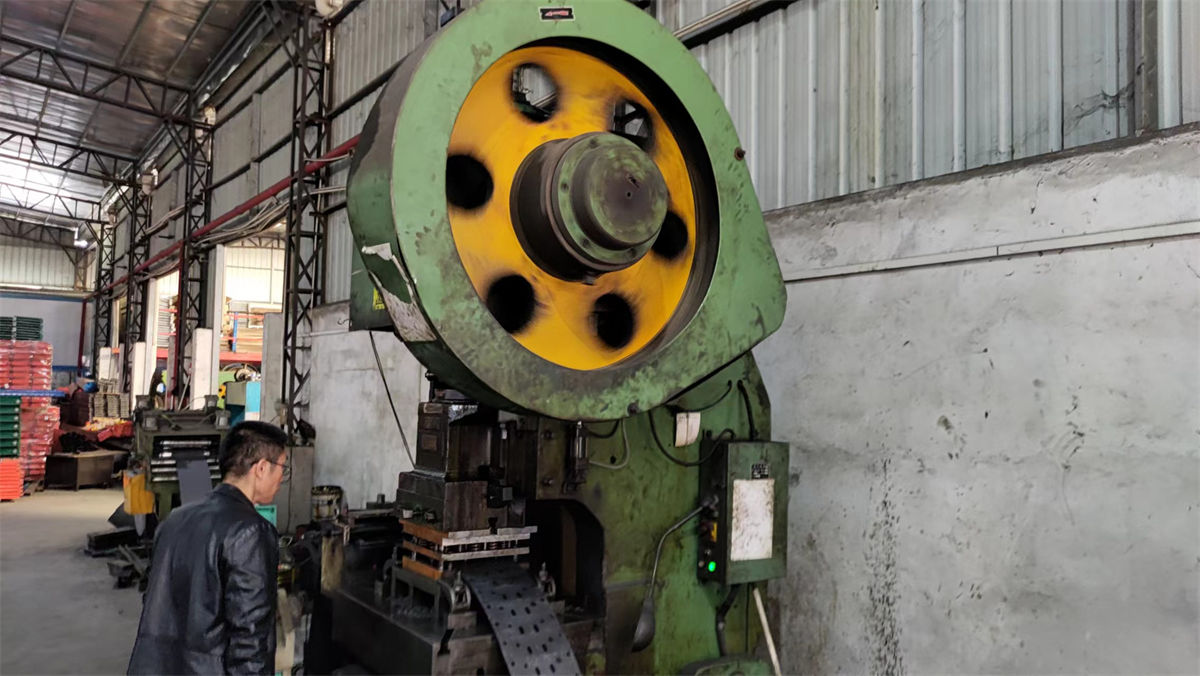
Punching
Rolling
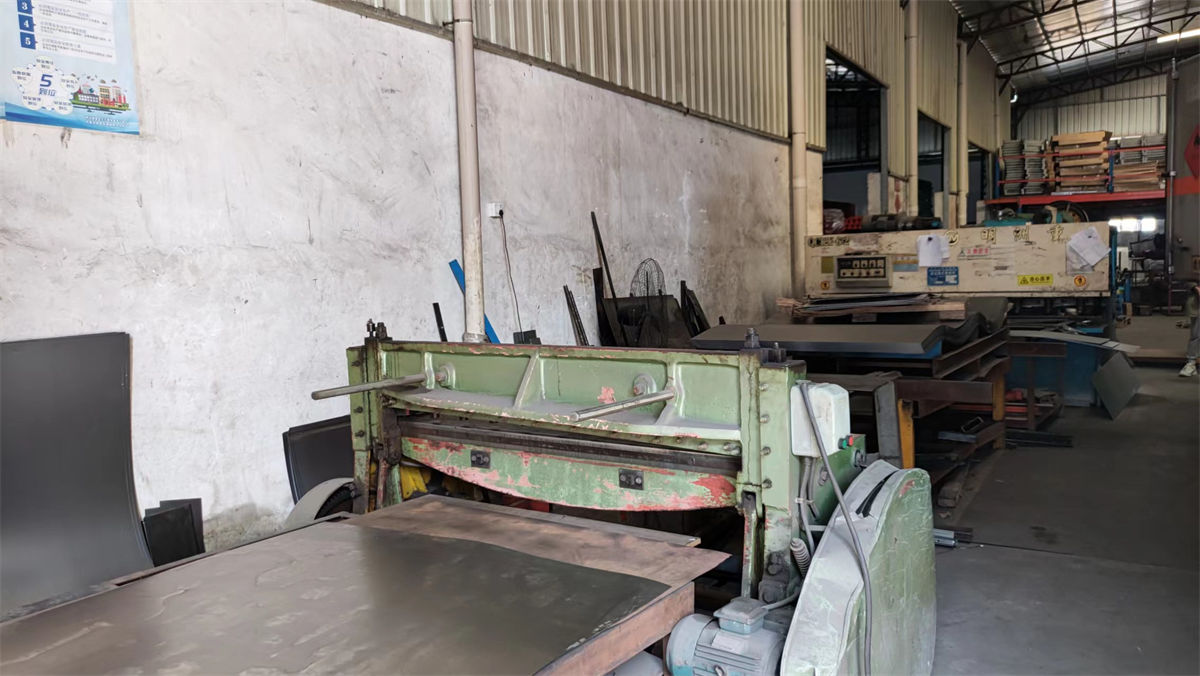
Plate Cutting
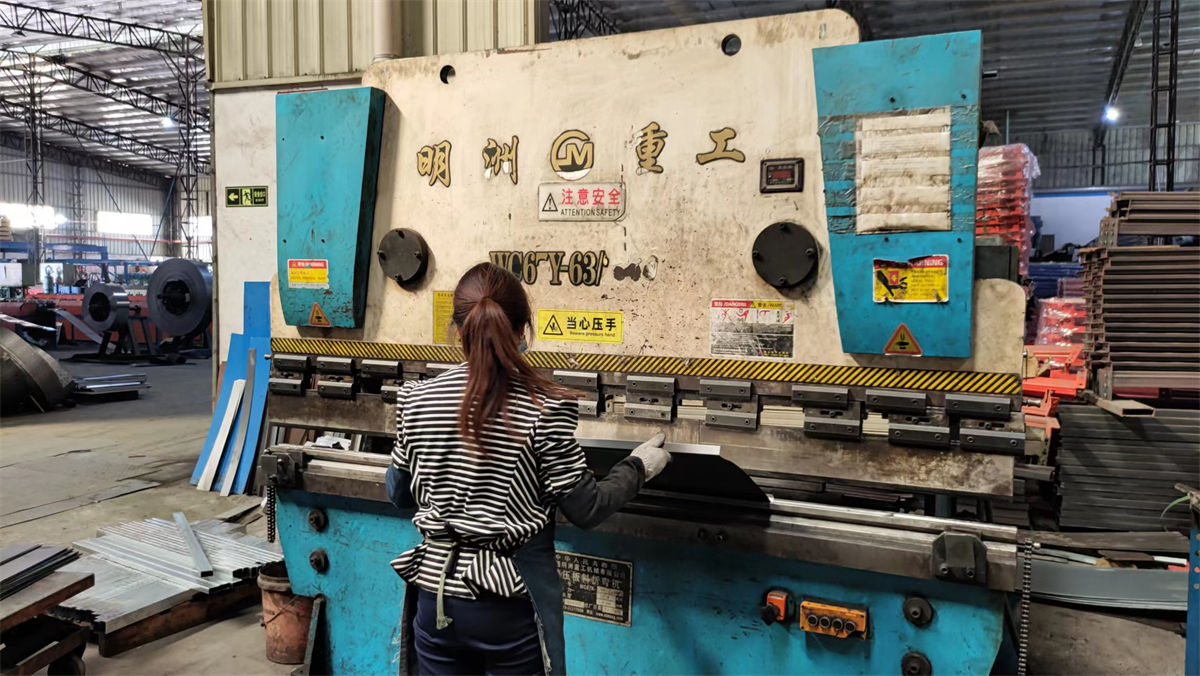
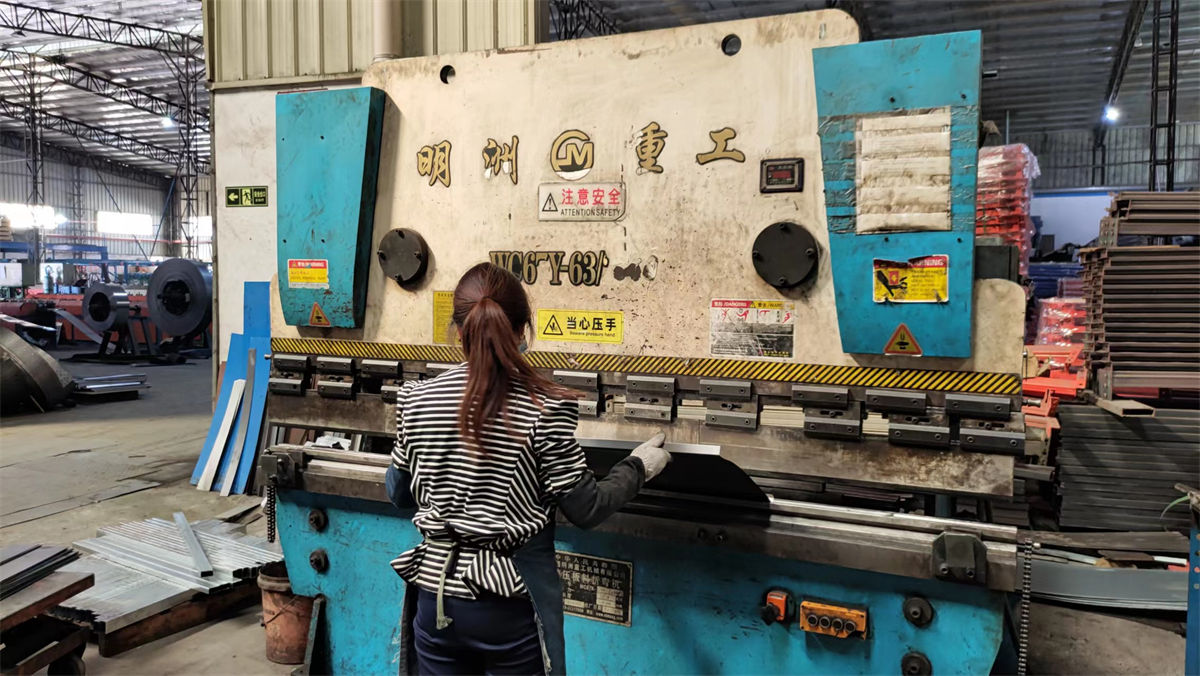
Bending
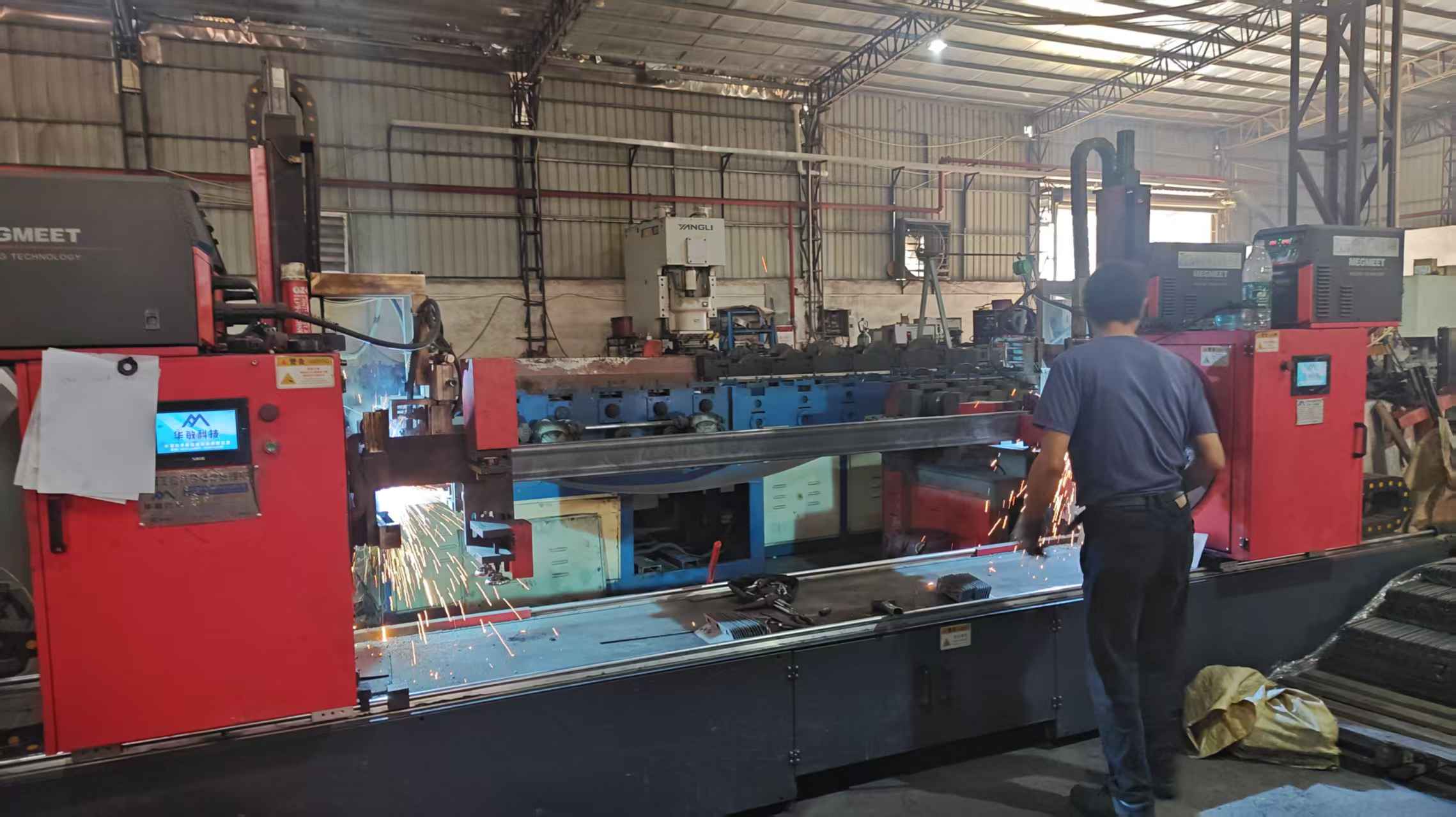
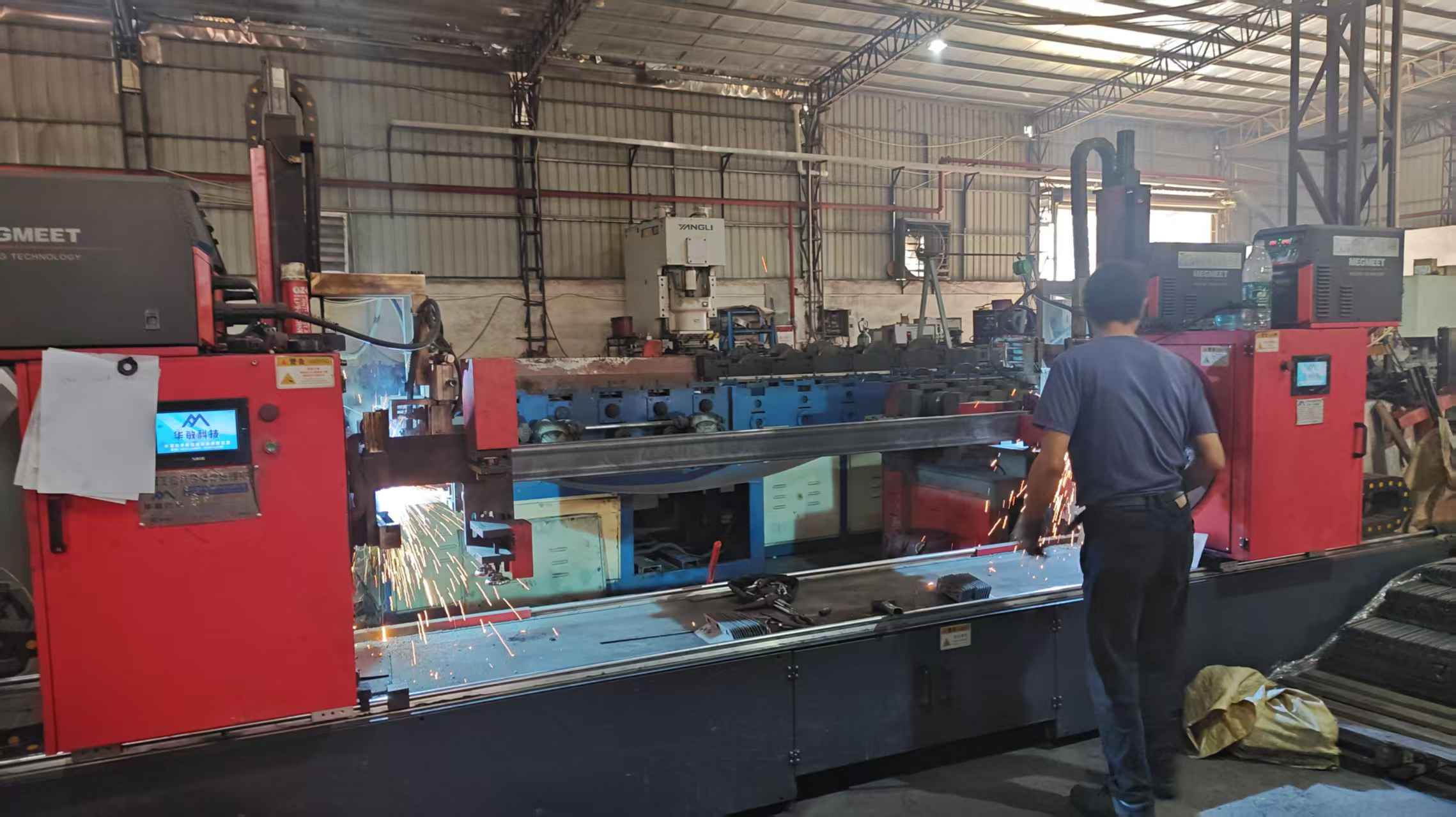
Welding
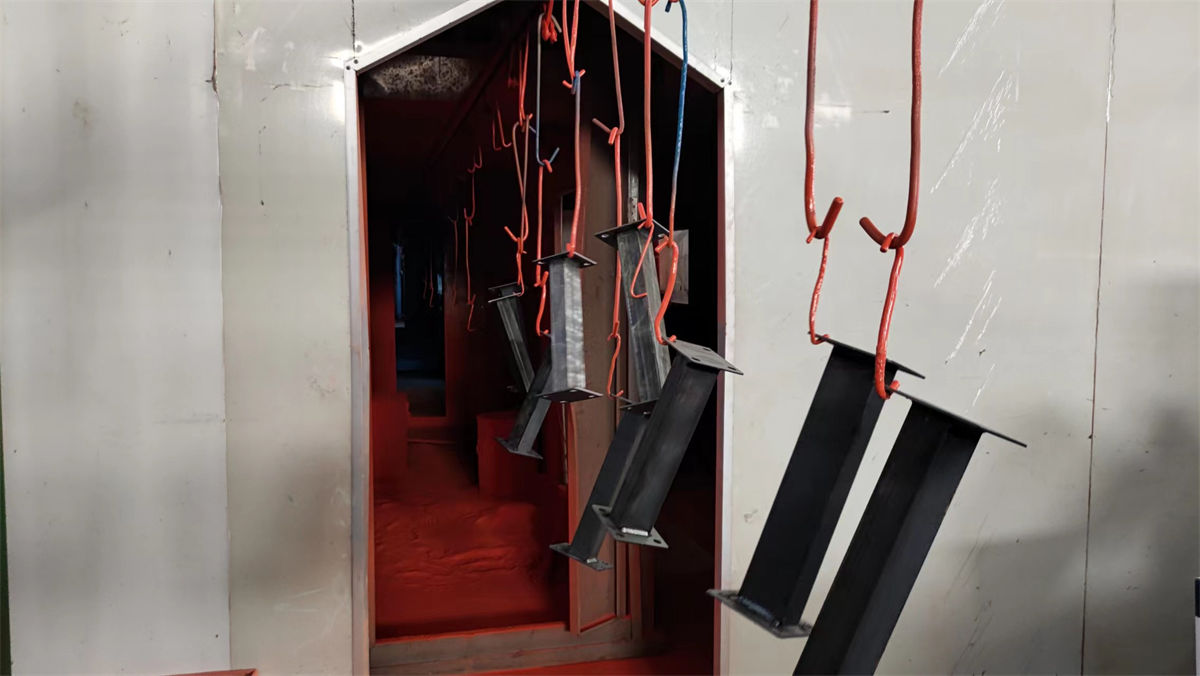
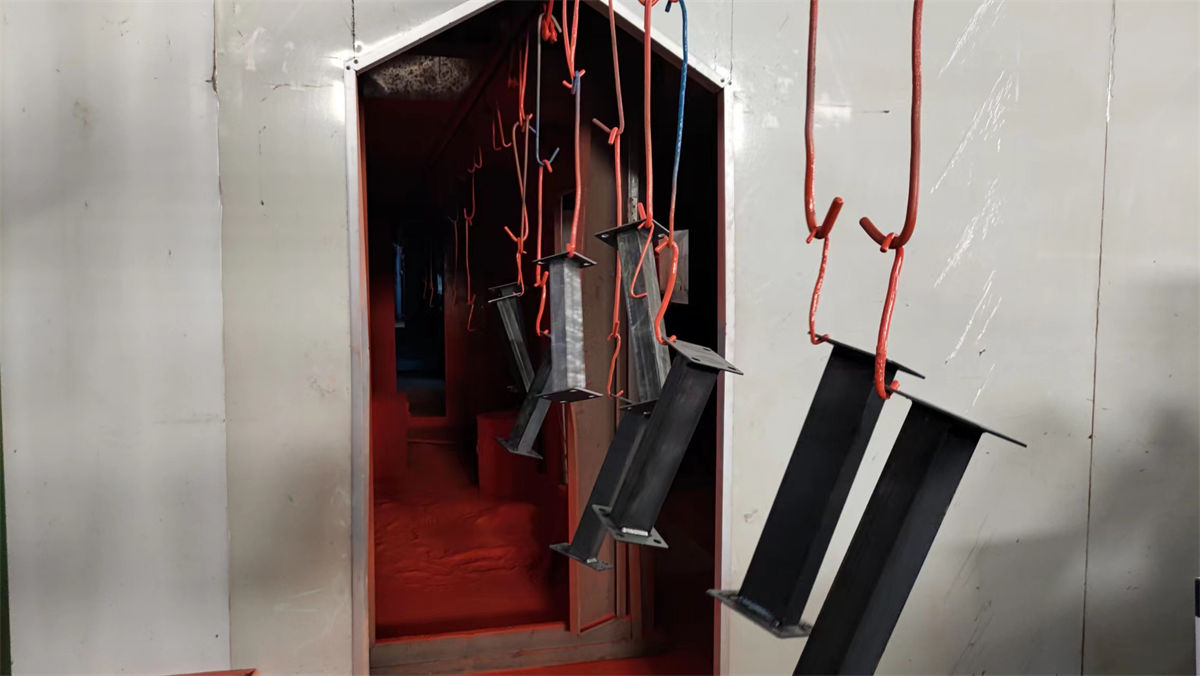
Coating

Technical Roadmap & Future Outlook

Phase 1: High-Density Structural Optimization (Present)

Integration of boltless systems and high-tensile steel to support dynamic loads. Current focus is on "Information Gain" via structural durability and modularity.

Phase 2: IoT & Sensor Integration (2024-2025)

Shelving units equipped with load sensors and RFID tags to provide real-time inventory visibility and structural health monitoring.

Phase 3: Full Robotic Synergy (2026+)

Total convergence with AMR (Autonomous Mobile Robots) and Multi-shuttle systems where shelving becomes a reactive element of the robotic grid.

Macro Industry Solutions

🛒E-commerce Fulfillment

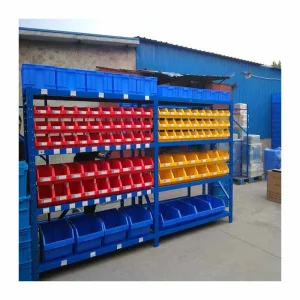
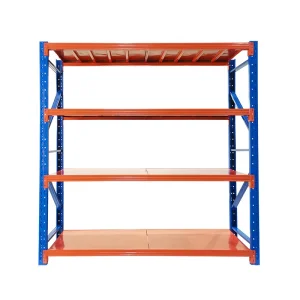
Designed for high-frequency picking. Our multi-level light duty racking systems allow for rapid SKU turnover and ergonomic manual picking interfaces.

❄️Cold Chain Logistics

Automated shelving with specialized corrosion-resistant coatings (Galvanized/Powder) that withstand -30°C environments without structural compromise.

🏎️Automotive & Parts

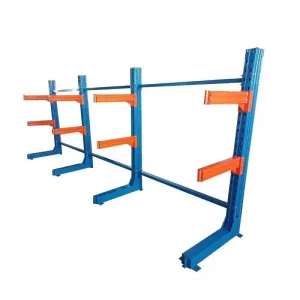
Heavy-duty cantilever and mold racks designed for irregular, high-weight components, ensuring safety and accessibility in fast-paced production lines.
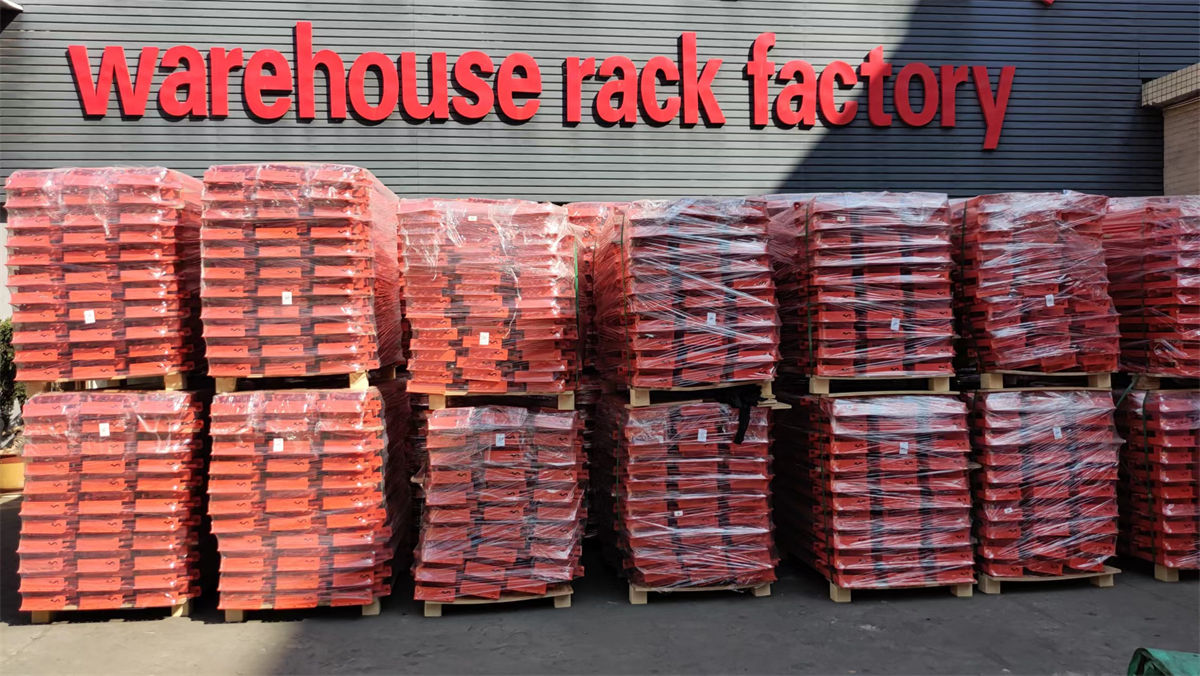
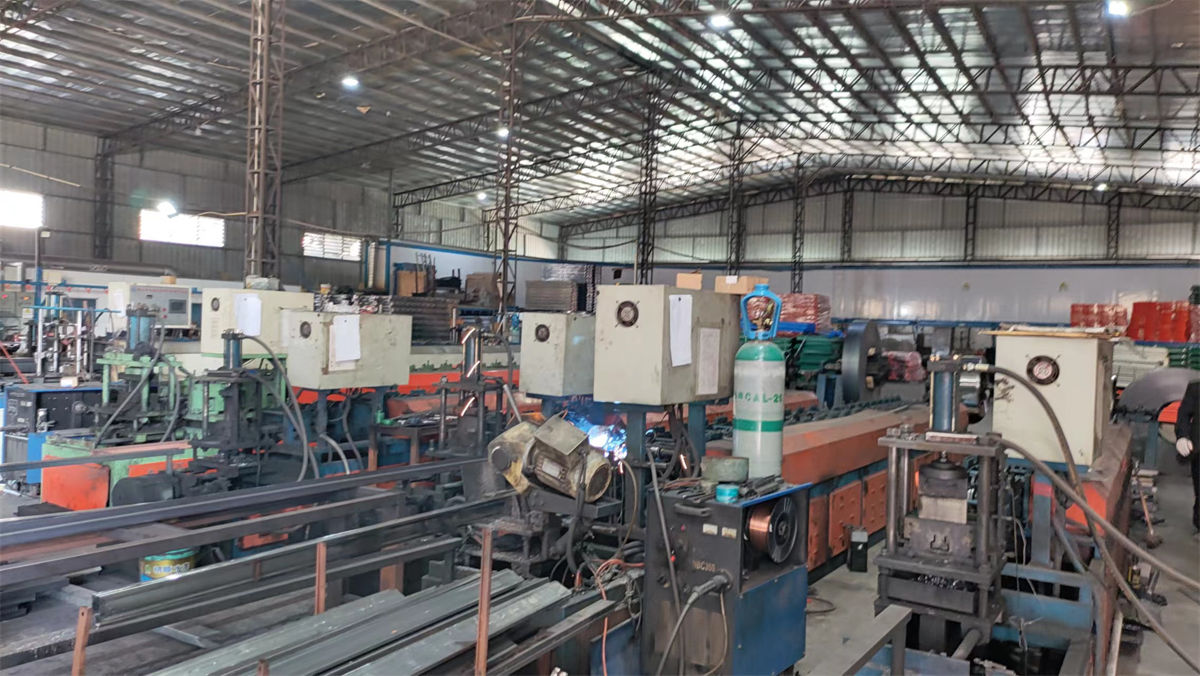
State-of-the-Art Manufacturing Facility

Packed Product
Rolling Machine
Coating Line
Bending Machine
Punching Machine
Welding Machine
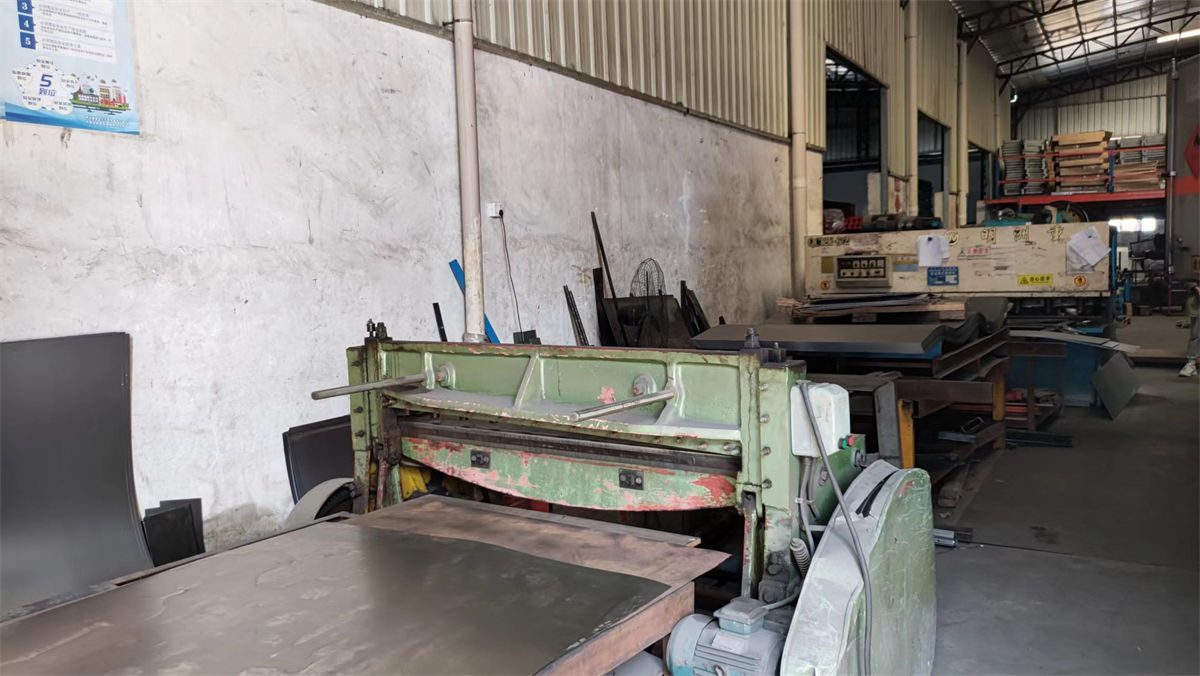
Plate Cutting Machine
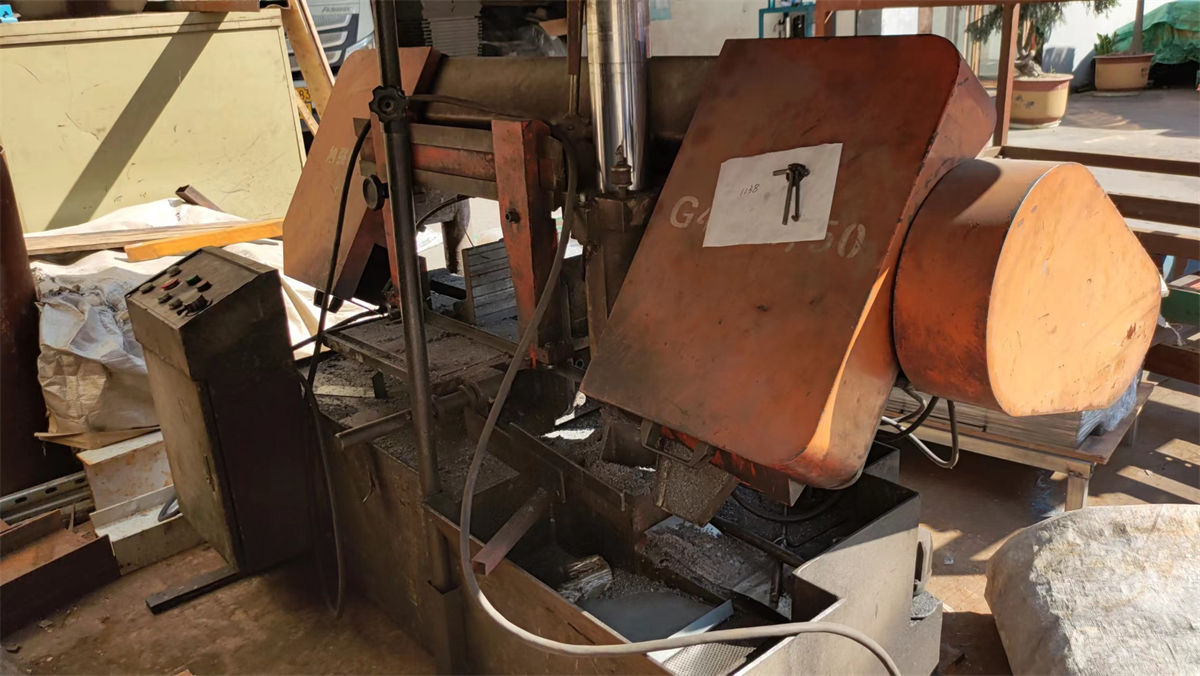
Sawing Machine
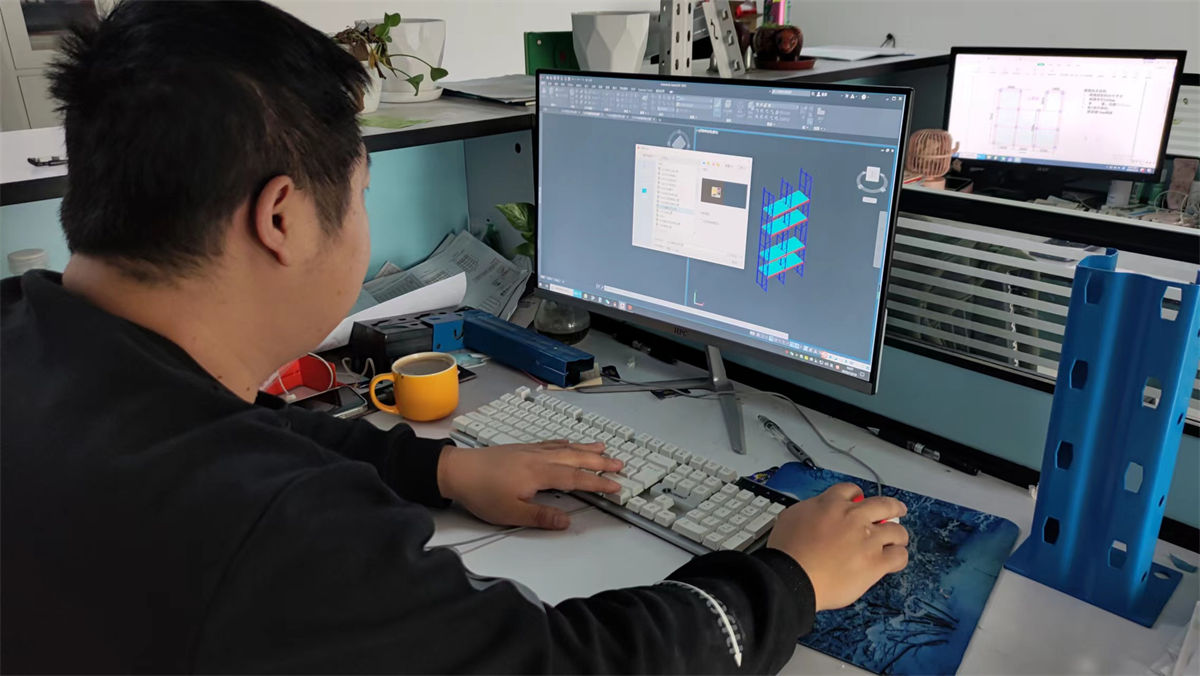
Design Center
Inspection
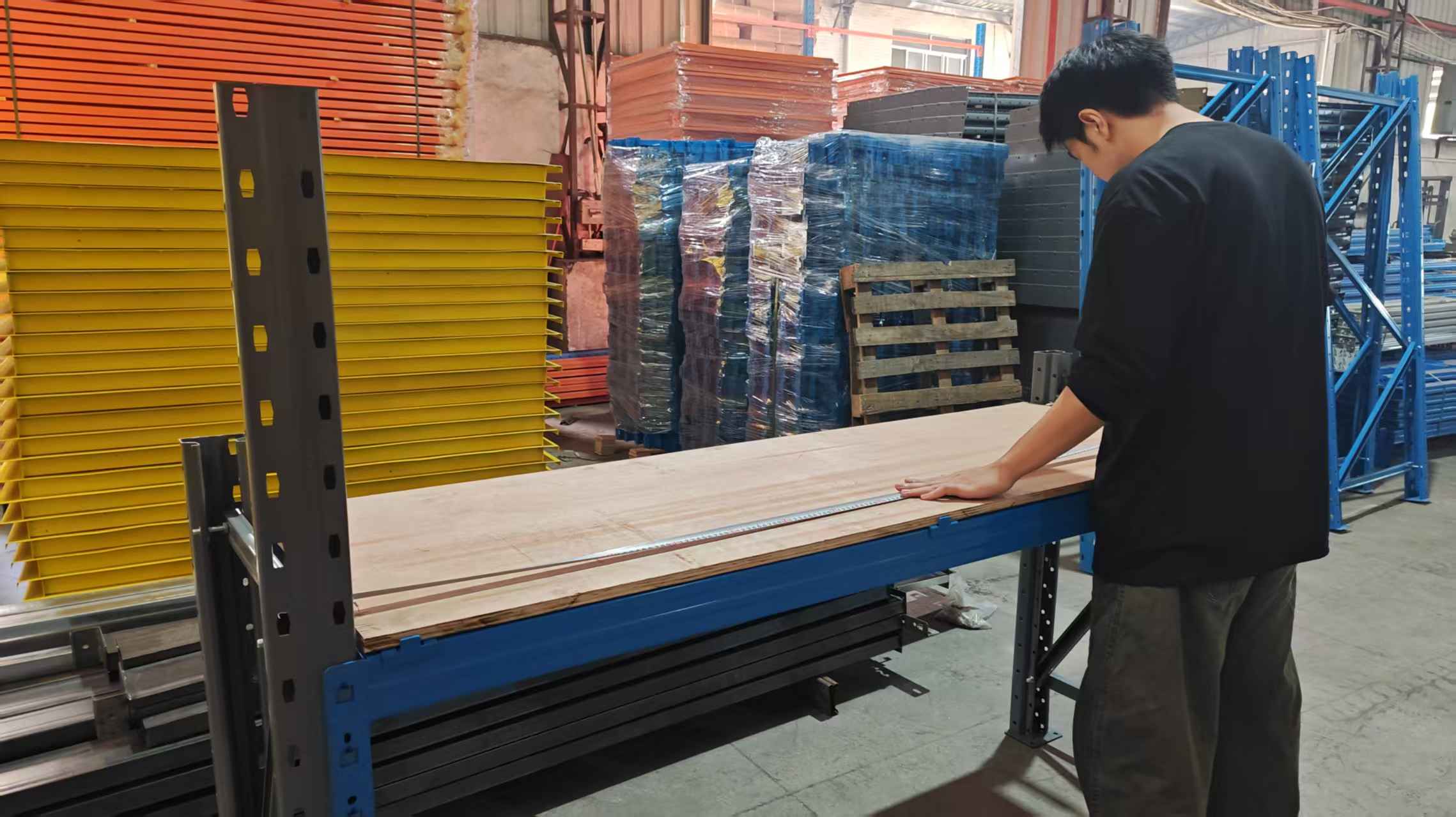
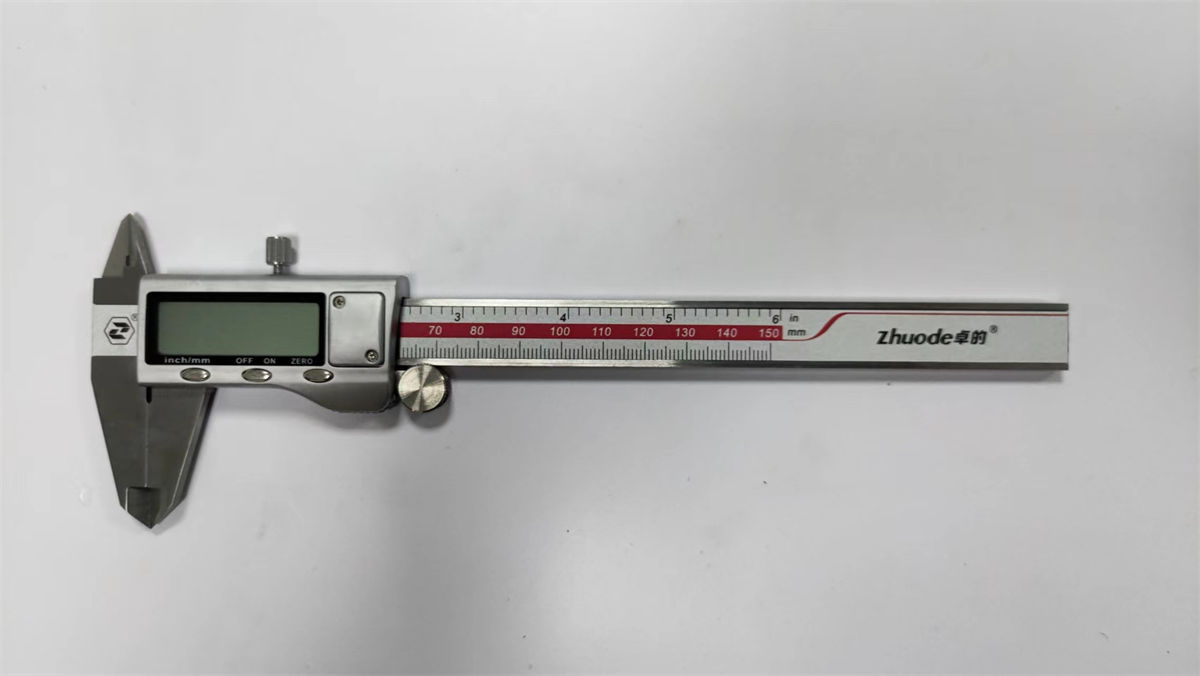
Caliper Testing
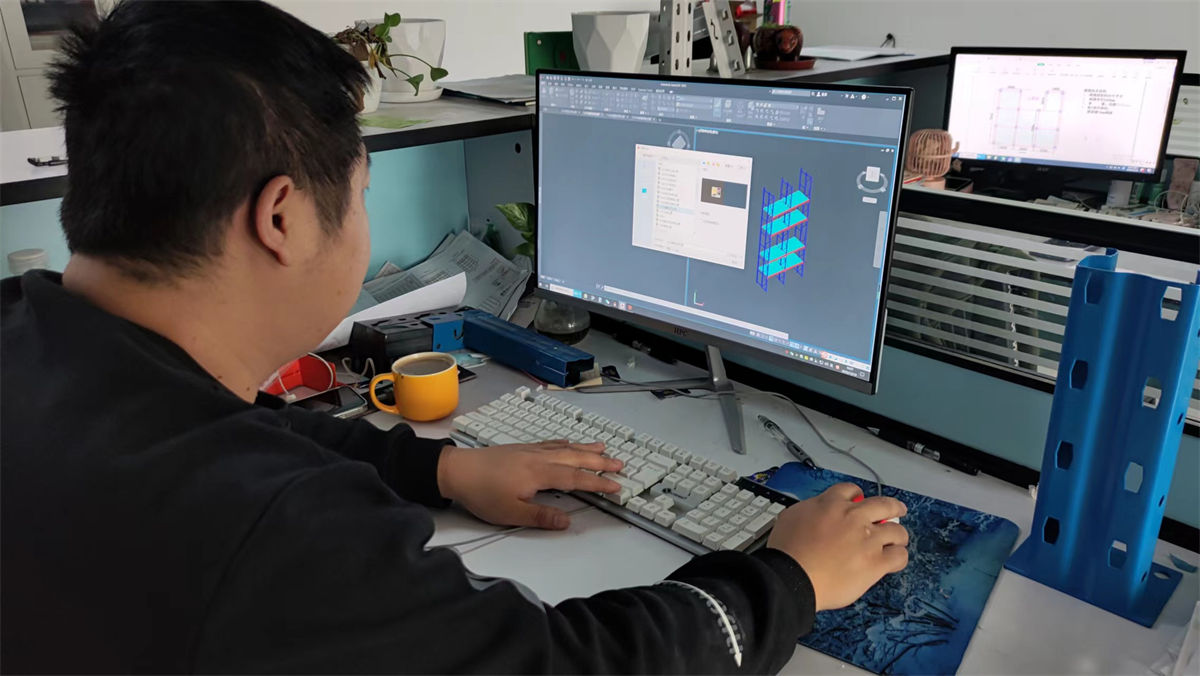
R&D Computing

Knowledge Base: Frequently Asked Questions

1. What distinguishes an Automated Shelving system from traditional racking? +
Automated shelving integrates mechanical systems (shuttles, cranes, or vertical lifts) and software (WCS/WMS) to move goods without manual intervention, whereas traditional racking relies entirely on forklifts or manual labor. Automation increases picking speed by up to 400% and reduces footprint by 60%.
2. How do you ensure the load-bearing safety of your racks? +
We implement a multi-stage Quality Inspection System, including raw material tensile testing, laser-guided dimensional measurement, and real-world load-bearing tests conducted by our 45-person QC team. We strictly follow international safety standards for steel storage.
3. Can Mracking provide customized OEM/ODM services? +
Yes. With 68 R&D engineers, we specialize in bespoke warehouse planning. We offer customized dimensions, load capacity adjustments, specific color coding for brand identity, and structural modifications to fit unique building constraints.
4. What are the typical lead times for large-scale industrial projects? +
Depending on the complexity and volume, standard lead times range from 15 to 30 days. Our advanced production line, featuring automated rolling and welding machines, allows us to maintain high throughput even for large export orders.
5. Do you support international installation and maintenance? +
We provide comprehensive installation guides, video support, and can dispatch engineering consultants for large-scale turnkey projects. Our products are designed for modular assembly to simplify local setup.