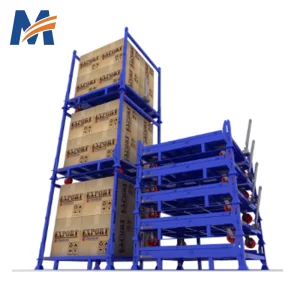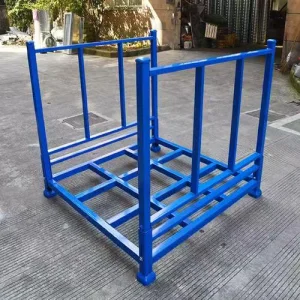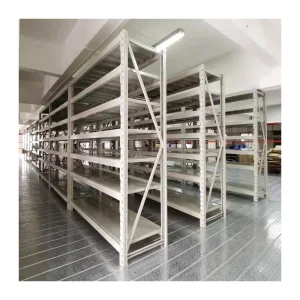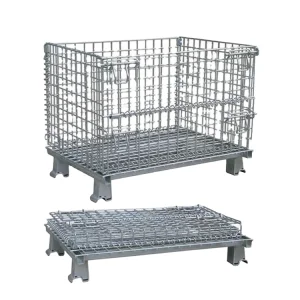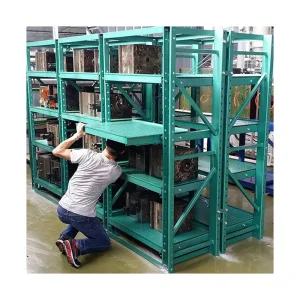
Modern supply chains require dense, highly scalable, and structurally robust warehousing infrastructure. Heavy-duty racking systems form the structural backbone of global logistics hubs, manufacturing facilities, and automated distribution centers (3PL).
For global procurement managers, choosing the correct heavy-duty racking manufacturer is not merely an exercise in comparison shopping; it is a critical safety and compliance decision. The structural integrity of a racking system directly influences workplace safety, stock turn efficiency, and space utilization rates.
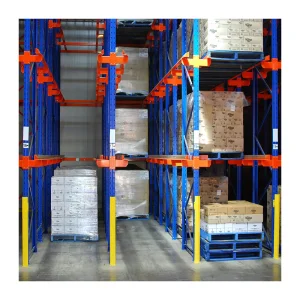
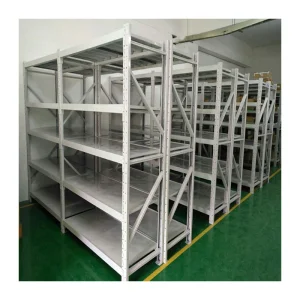
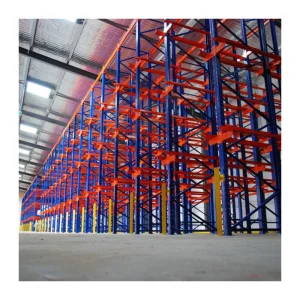
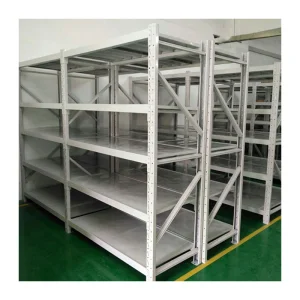
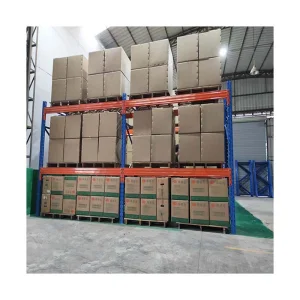
Engineered systems such as Selective Pallet Racking, Drive-In Racking, Cantilever Racking, and Push-Back Racking must support loads exceeding several metric tons per shelf level. This whitepaper analyzes the manufacturing profiles, structural engineering guidelines, global supply chains, and localized compliance systems that define the world's leading racking systems.
As a premier global enterprise, Guangzhou Xinmiao Storage Equipment Co., Ltd. serves as a leading case study of high-capacity structural manufacturing and supply chain agility.
Established in 2016, Guangzhou Xinmiao Storage Equipment Co., Ltd. is a highly specialized manufacturer dedicated to high-performance warehouse storage solutions, industrial heavy-duty racks, and customized structural shelving platforms. Integrating years of multi-market research, export expertise, and engineering innovation, the enterprise supplies mission-critical structural systems to manufacturing sites, logistic complexes, retail conglomerates, and heavy-duty cold storage warehouses across the globe.
Operating with an extensive 18,500㎡ production facility equipped with high-efficiency automated processing lines, Xinmiao delivers an annual export revenue exceeding USD 12 million. The company has combined 12 years of industry research with over 8 years of direct export experience. Today, they maintain strategic supply chain alliances with more than 850 partners and raw material providers globally, exporting structural racks to critical economic zones in North America, Europe, Southeast Asia, the Middle East, and Australia.
Reliable heavy-duty storage begins with rigorous manufacturing standards. Under the supervision of a dedicated 45-inspector Quality Control team, structural safety is built directly into the raw steel.
Guangzhou Xinmiao relies on a system of comprehensive, multi-step quality control audits. This includes structural raw material chemical and physical testing, automated welding diagnostics, precision dimensional measurement, electrostatic powder coating thickness testing, physical load-bearing checks, and complete post-assembly evaluation. Modern automated production systems utilize laser-guided coordinate alignment, structural load testing tables, and high-resolution optical inspection tools to guarantee that every roll-formed frame and structural beam conforms to structural load designs.
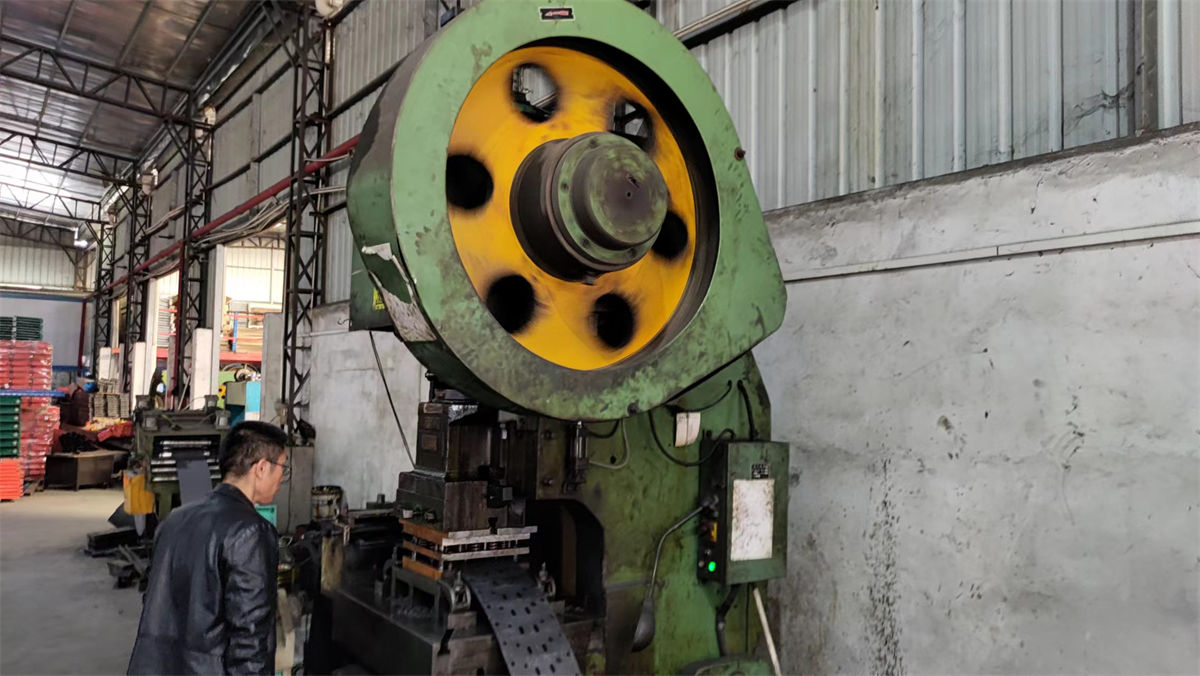
Automated precision punching ensures exact spacing for beam connectors.
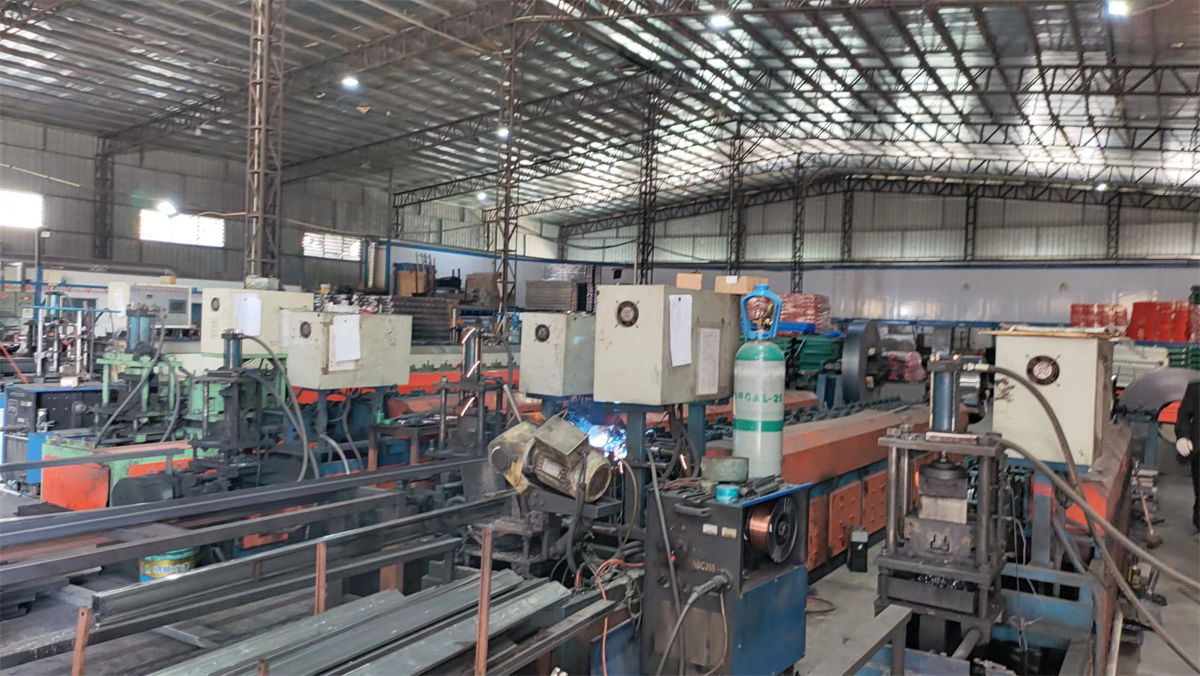
Cold roll-forming mills produce structural profiles with high dimensional stability.
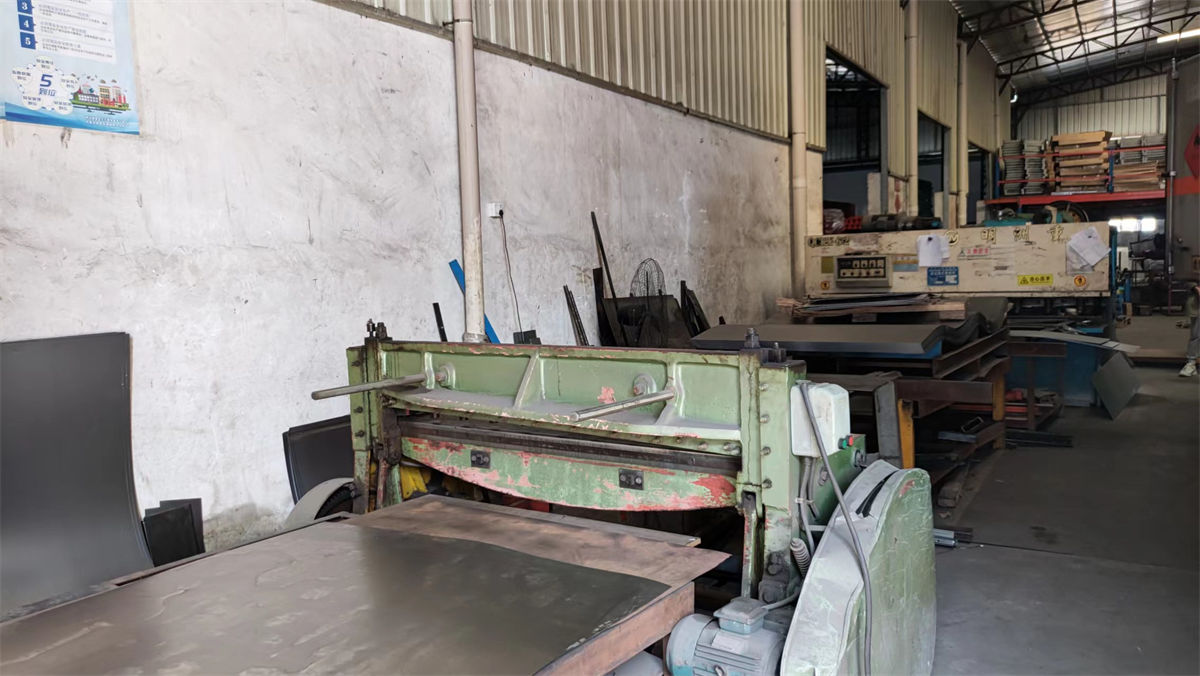
High-precision shearing machines prepare raw sheets for bending operations.
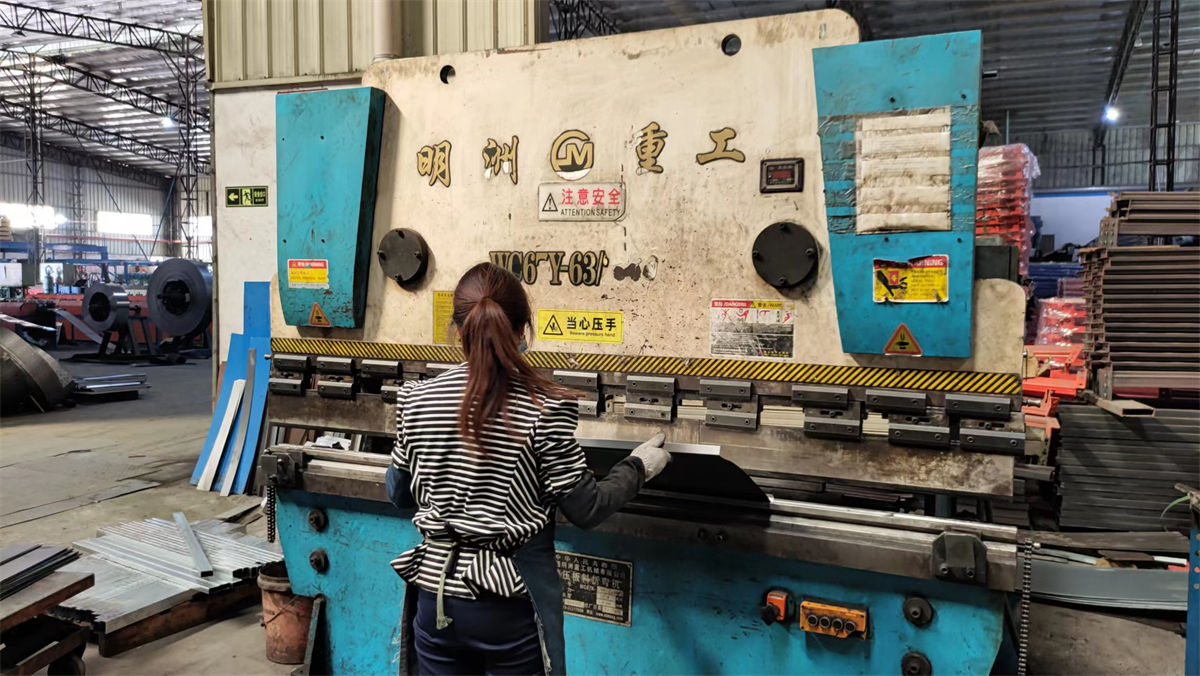
CNC bending machines form heavy structural steel sheets to correct configurations.
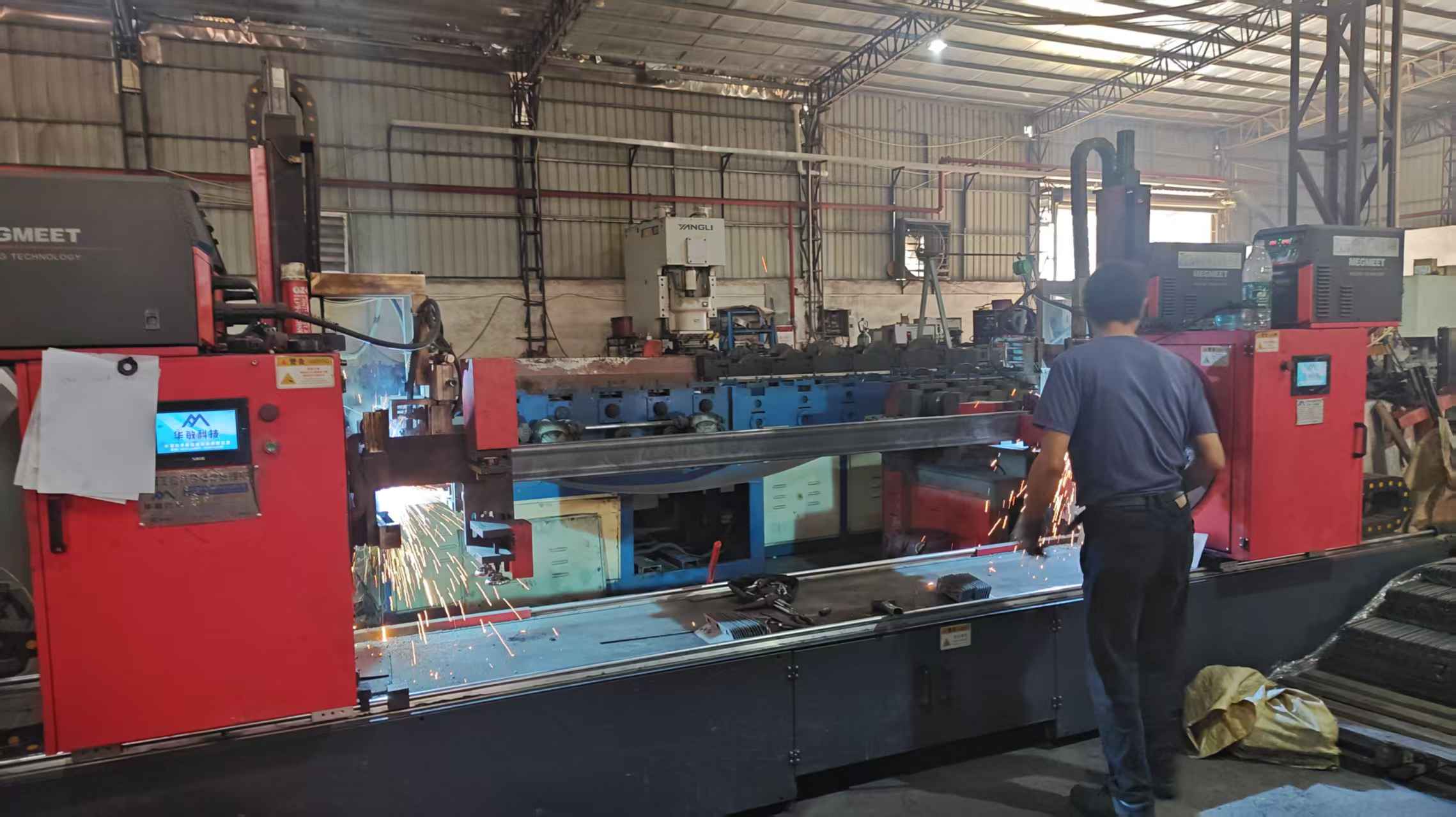
Robotic and manual welding methods form high-shear-resistant connector nodes.
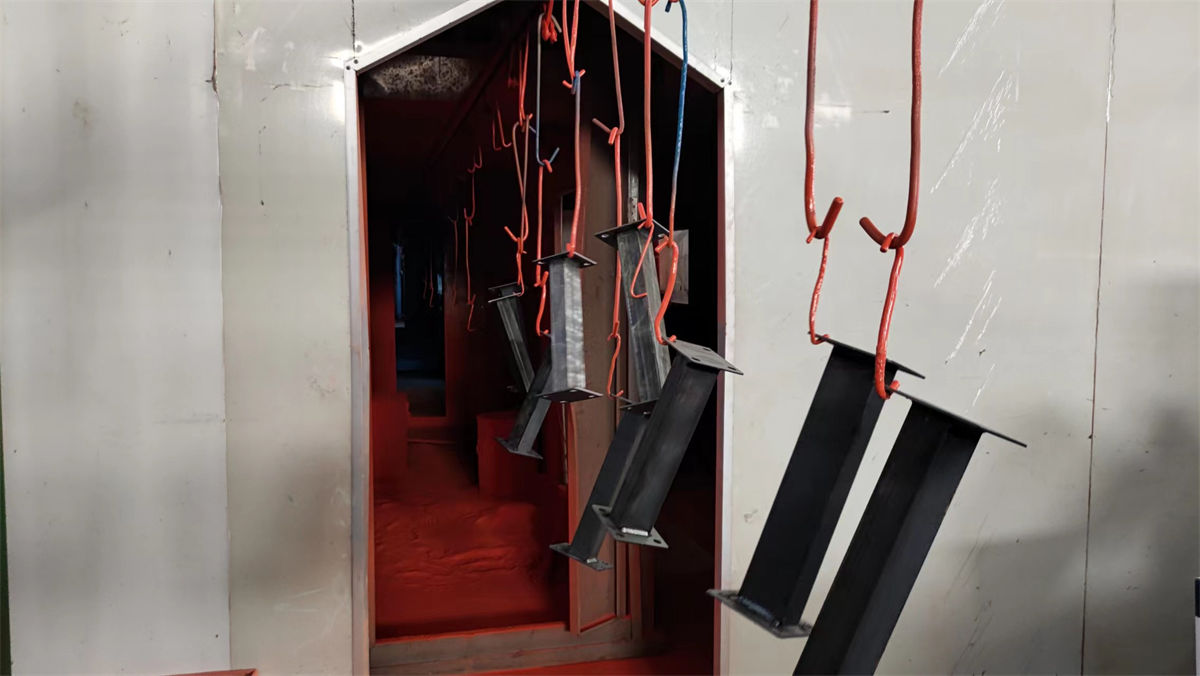
Powder coating processes apply highly durable, corrosion-resistant finishes.
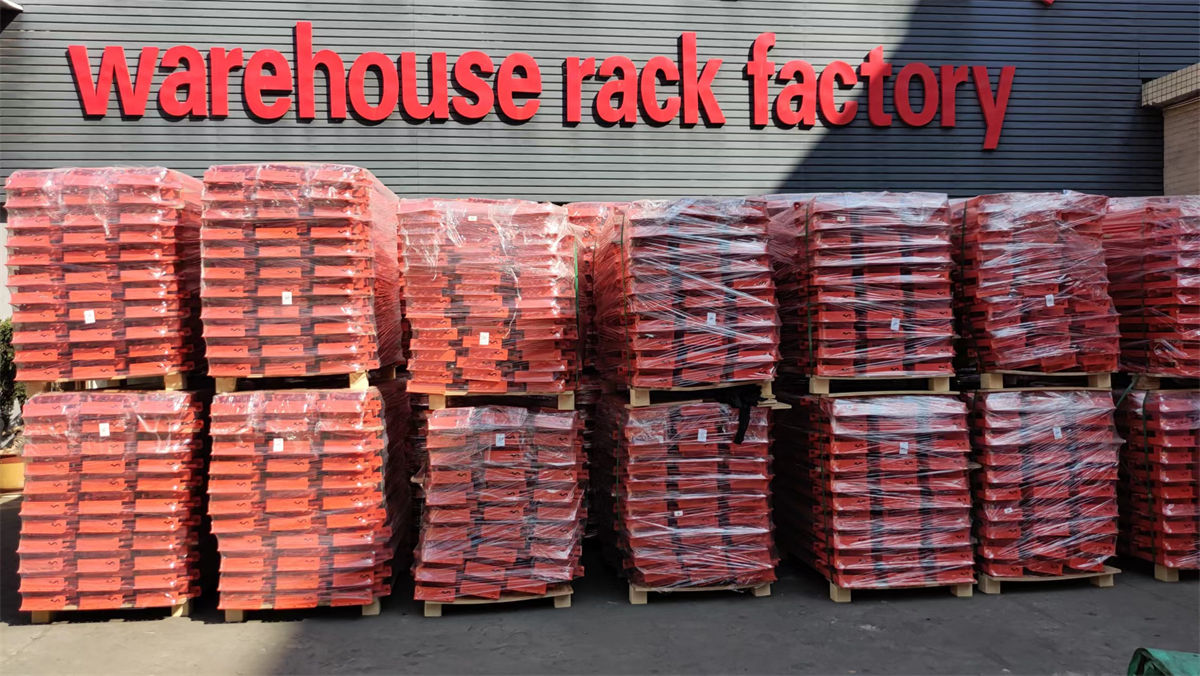
Optimized transit packaging protects paintwork and profiles during export.
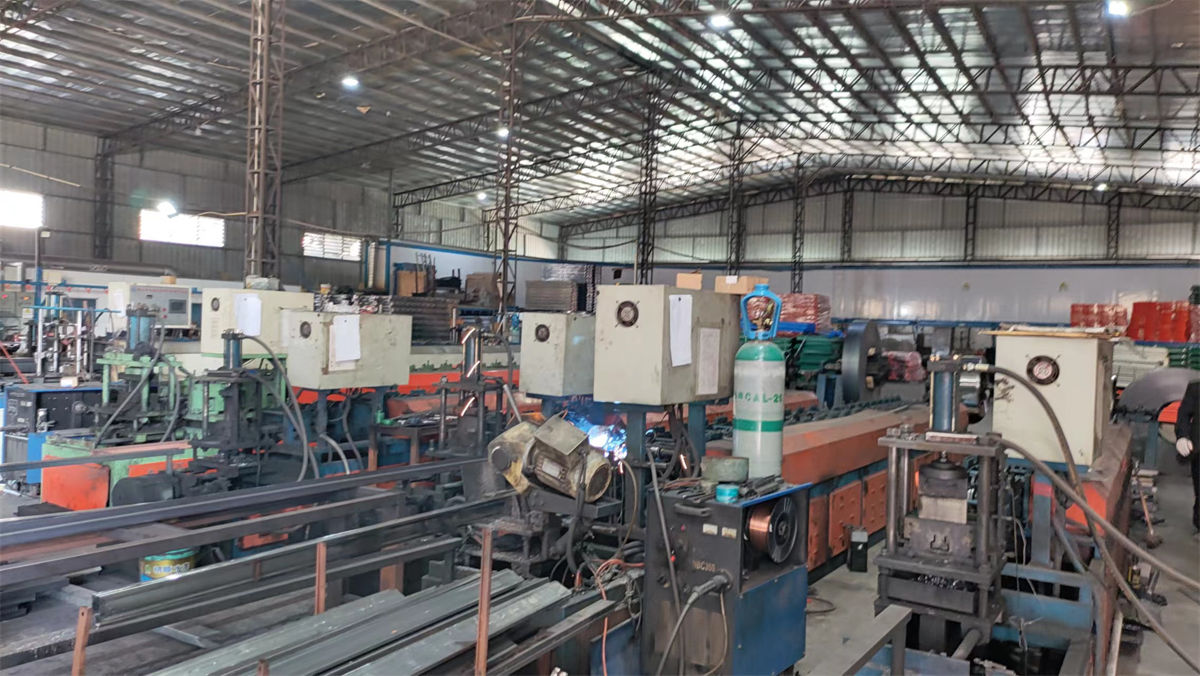
Automated rolling lines guarantee constant profile geometry across structural beams.
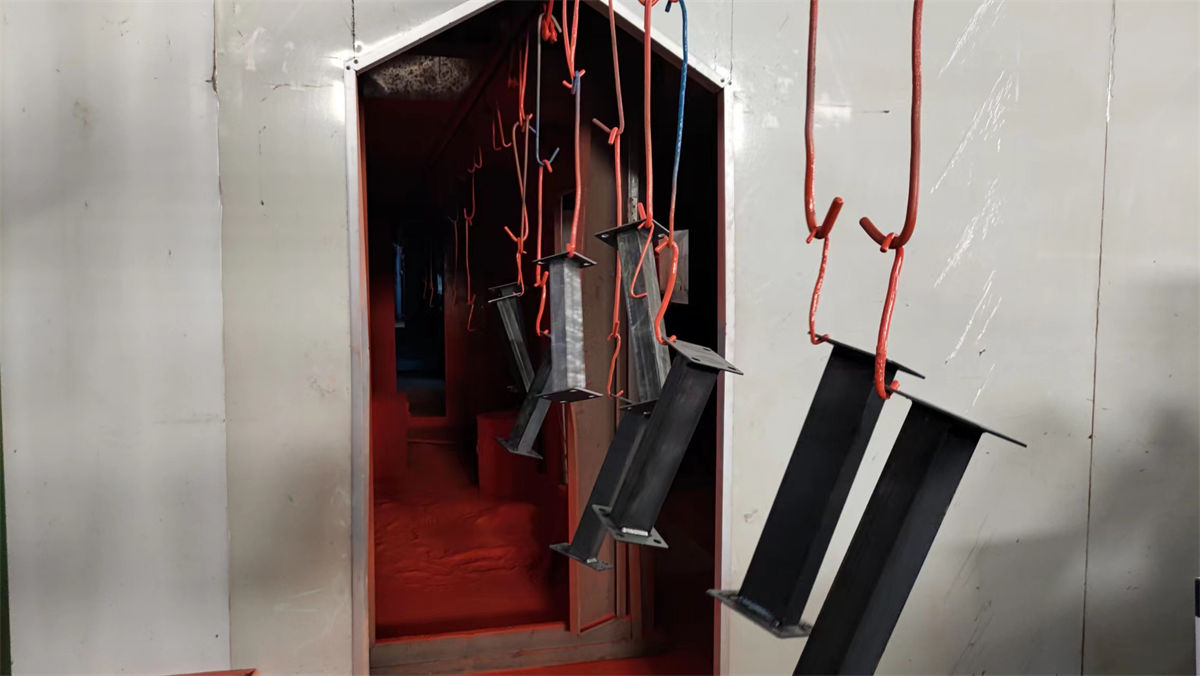
High-capacity automated electrostatic coating line ensures uniform film thickness.
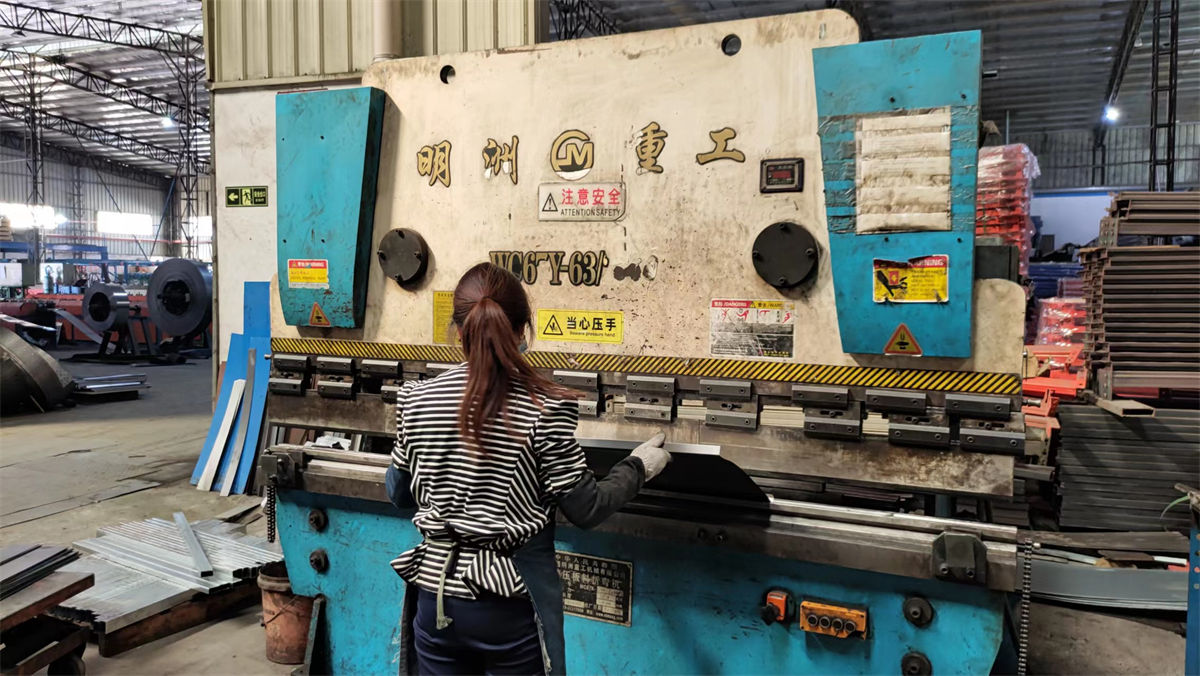
High-tonnage hydraulic press brakes process high-yield structural steel sheets.
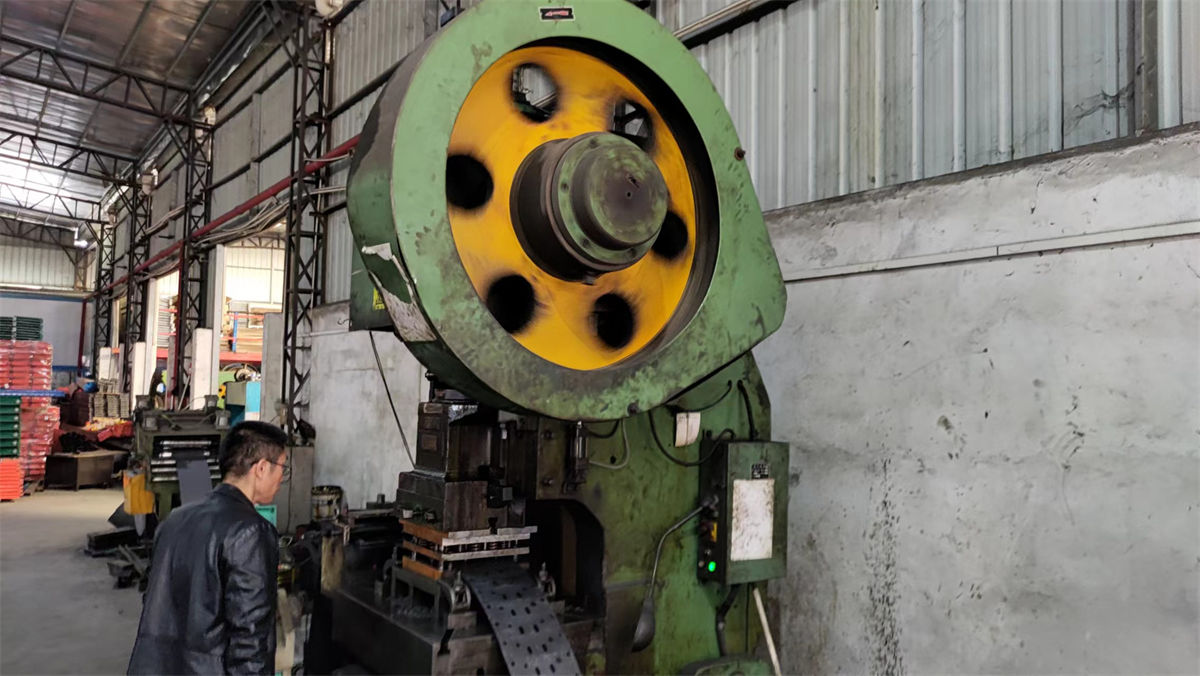
High-rate punch lines form uniform pitch configurations for structural adjustments.
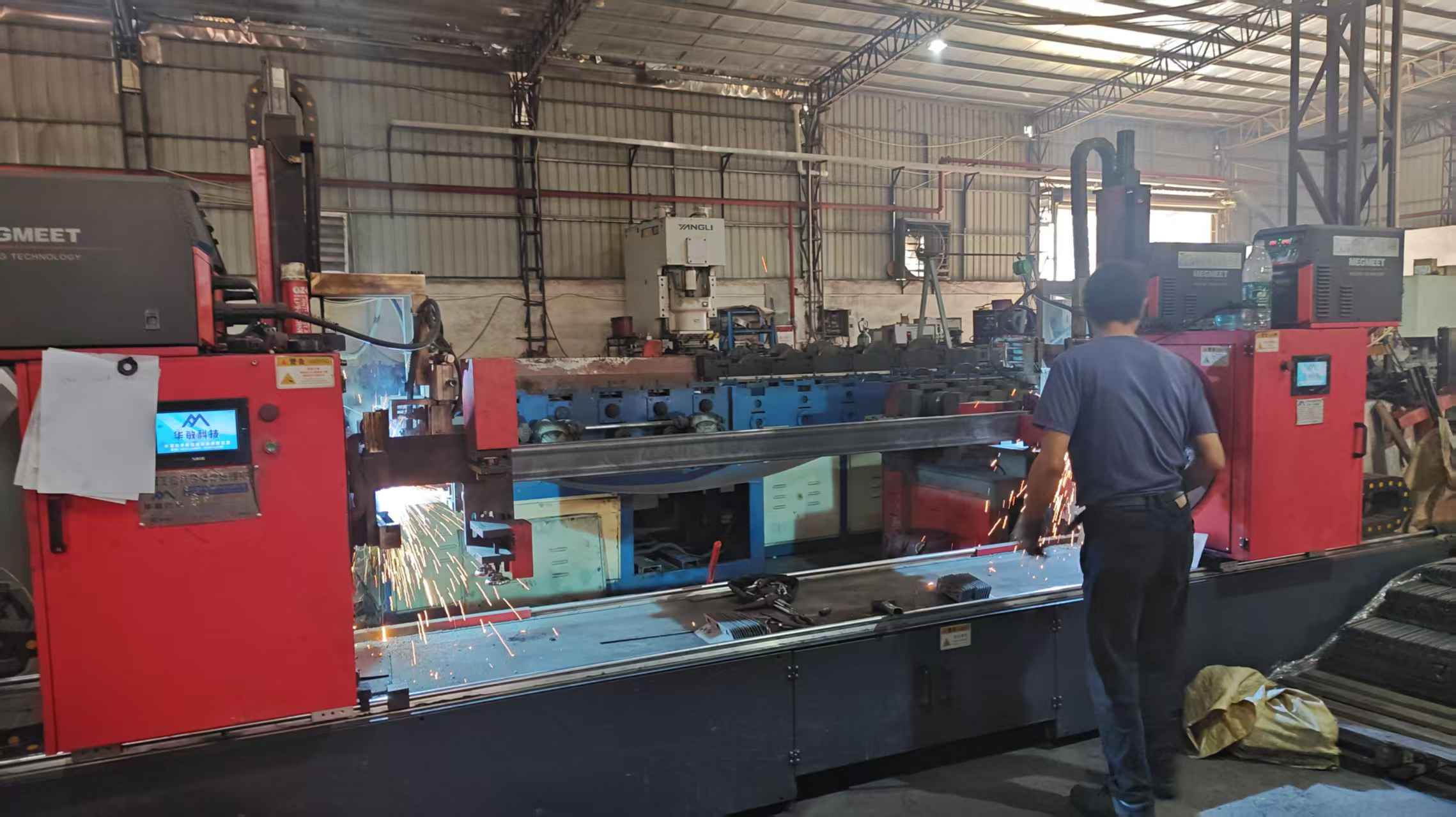
Automated industrial welding equipment guarantees deep structural weld penetration.
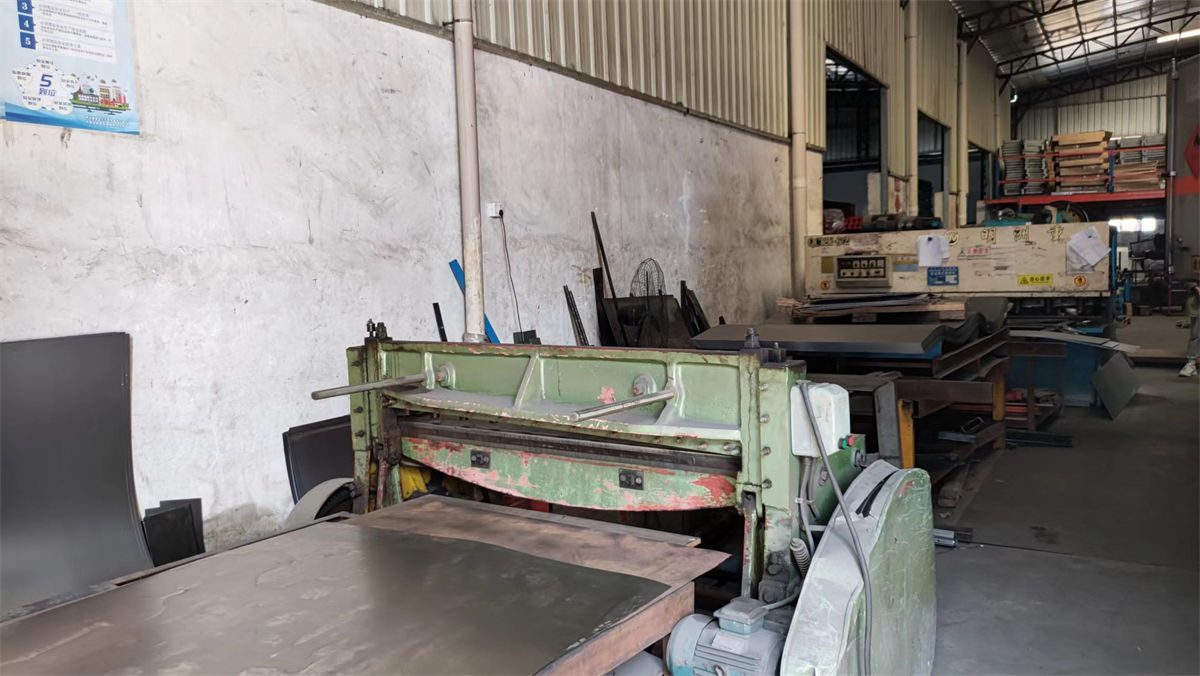
High-throughput shear line delivers raw sheet blanks with clean edge finishes.
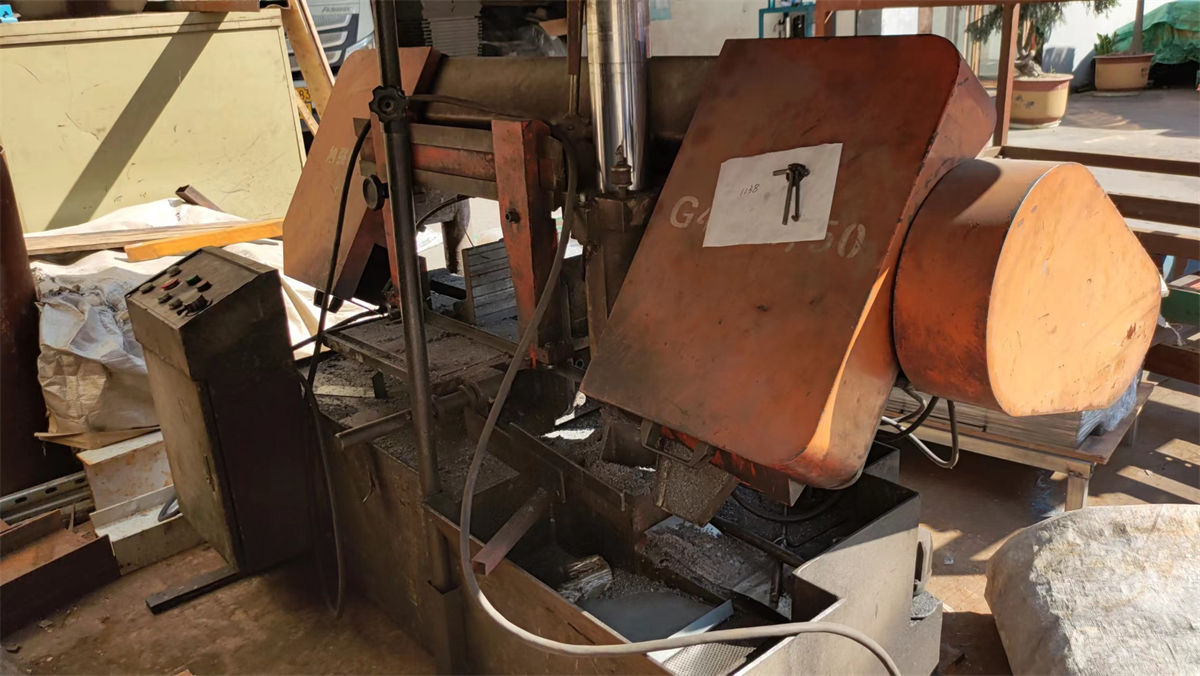
Cold-cutting industrial saws partition vertical tubes without thermal deformation.
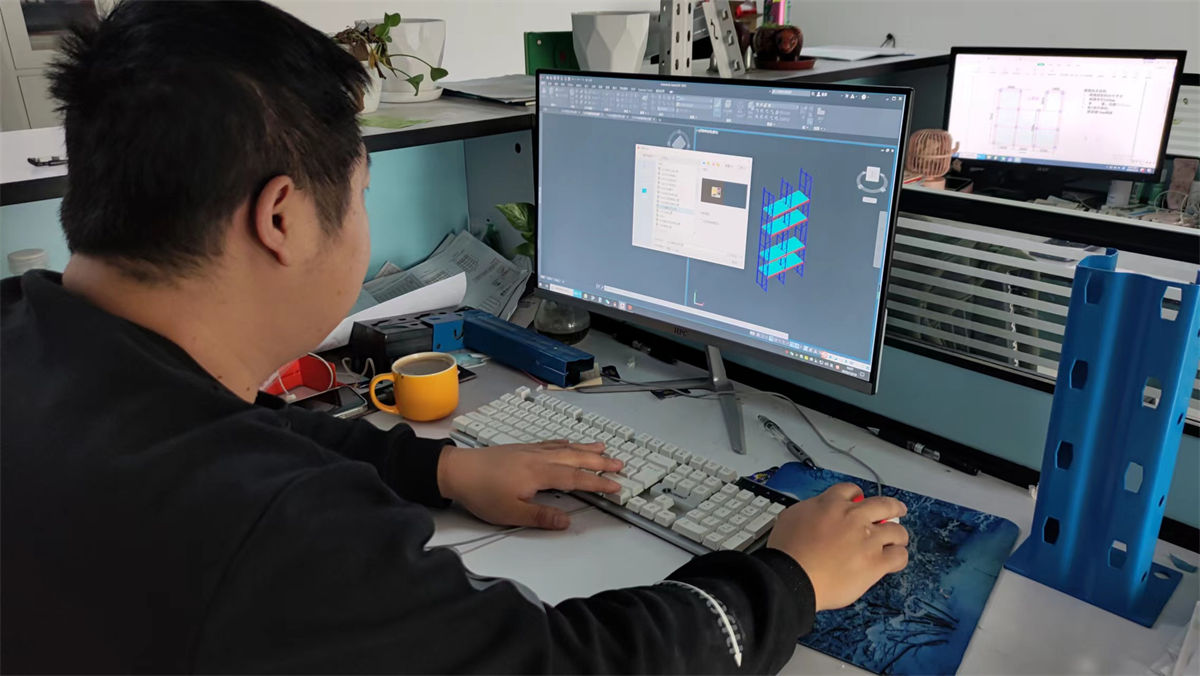
CAD/3D modeling optimizes warehouse layout space and overall racking configuration.
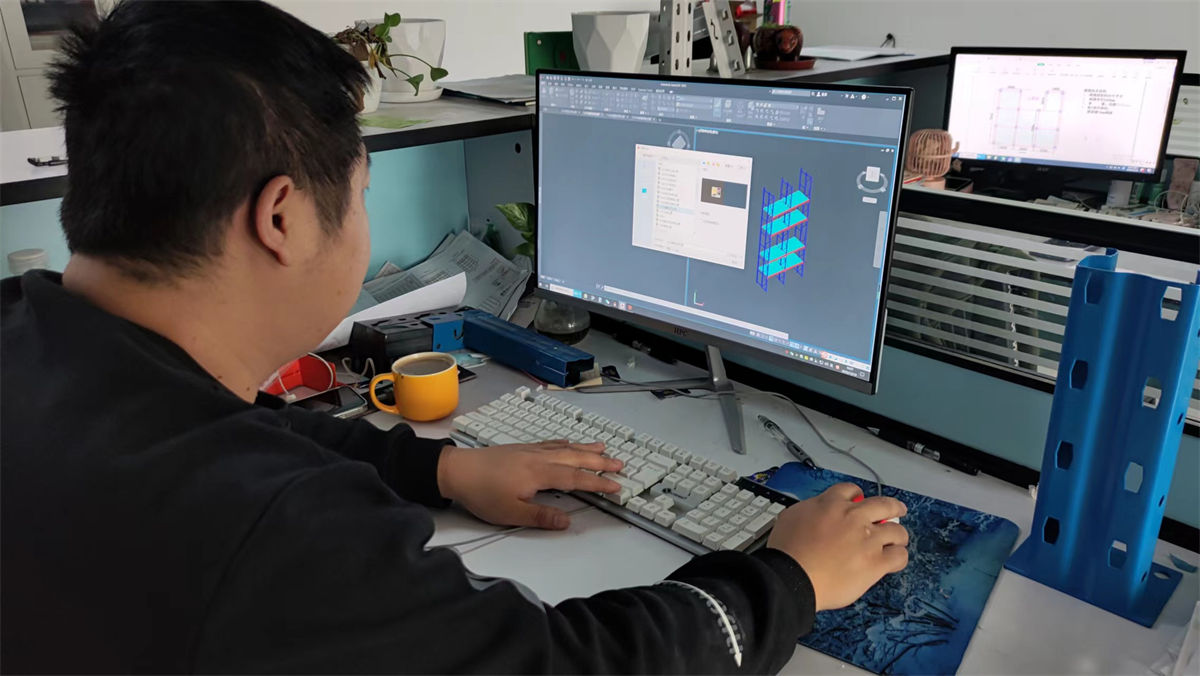
Finite Element Analysis simulates stress patterns and deformation margins under load.
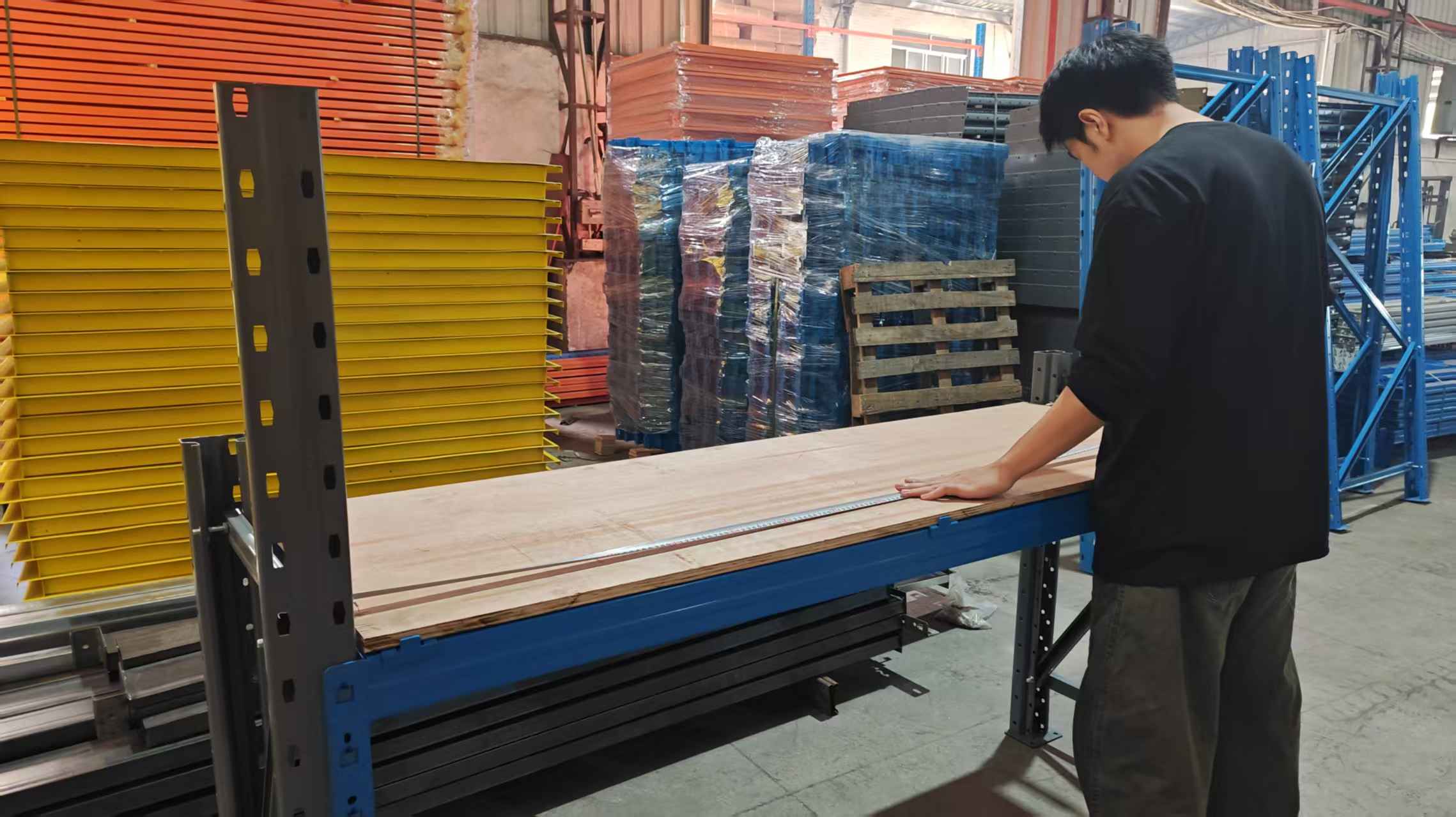
QA teams evaluate welds, coatings, and dimension parameters for consistency.
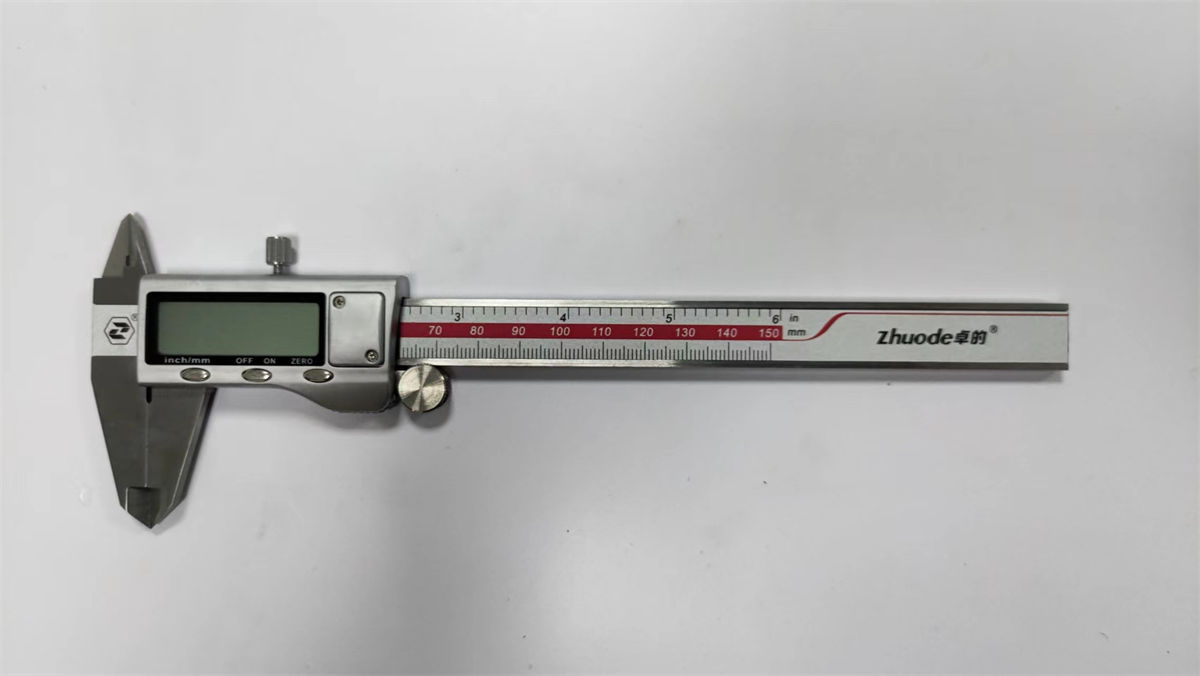
Precision digital vernier calipers measure wall thickness down to micrometers.
Leveraging regional steel output and manufacturing technology clusters, Chinese factories offer notable cost efficiencies, customization capabilities, and fast delivery timelines.
Guangzhou Xinmiao utilizes localized industrial ecosystems that provide direct access to primary steel processing centers. This allows the factory to maintain strict control over base material quality while minimizing raw material transport overheads. Close proximity to major international shipping hubs like Guangzhou and Shenzhen ports translates directly into reduced maritime transport lead times.
High production efficiency, automated rolling processes, and large-scale manufacturing capacity allow Chinese factories to minimize scrap rates. As a result, global procurement managers receive structural racking systems at a competitive price-per-kilogram ratio, without compromising on high steel grades.
With 68 design and R&D engineers on site, customization of baseplates, specific upright widths, and seismic-braced components is integrated directly into the production workflow.
"In the past calendar year alone, Xinmiao introduced 126 new structural storage products to the market, showcasing our rapid engineering adaptability and manufacturing agility."
Operating in international markets requires structural racking designs that comply with localized building codes and safety regulations.
Racking systems must be designed to withstand vertical dead loads, live loads, product placement impacts, and environmental forces (wind and seismic actions). Structural design and testing must align with recognized global standard frameworks to ensure compliance.
Guangzhou Xinmiao addresses these compliance needs by using Finite Element Analysis (FEA) to simulate stresses and displacement under load. The physical frames and beams are manufactured from verified high-tensile structural steel profiles. Physical testing validates load capacities and structural behavior under stress, ensuring compliance with local engineering requirements.
The storage and logistics industry is moving toward greater automation, space optimization, and structural efficiency.
Automated Storage and Retrieval Systems (ASRS) require high structural precision and tight installation tolerances. Uprights must maintain near-perfect verticality over heights exceeding 20 meters, allowing high-speed crane carriages and automated shuttles to operate without clearance issues.
Sustainable warehouse design places greater emphasis on long-lasting, environmentally friendly surface treatments. Modern dry powder coating lines eliminate VOC emissions while producing a chemical- and impact-resistant finish that extends the operational lifespan of the racking.
Mobile and dynamic storage systems, such as pallet flow and shuttle racking, are increasingly used to maximize storage density. These solutions minimize dedicated travel aisles, helping to reduce the overall energy needed to heat or cool the facility.
Storage environments vary significantly by industry, requiring specific structural designs and material treatments to perform reliably.
Sub-zero logistics facilities require structural steel designed to resist low-temperature embrittlement. Standard steel can become brittle at -25°C, making specialized steel grades and durable galvanized finishes necessary to prevent structural failure.
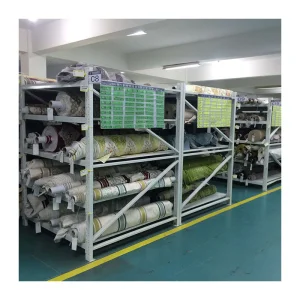
Heavy machinery production and injection molding operations handle concentrated, high-mass loads. Racking systems for these applications require reinforced shelf levels, heavy-duty structural uprights, and integrated pull-out shelves to allow safe crane access.
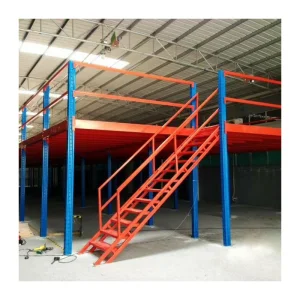
High-turnover distribution centers require versatile layouts. Multi-level selective pallet systems and pick modules are designed for rapid configuration changes, allowing operators to adjust beam spacing as inventory profiles evolve.
Key engineering, compliance, and procurement answers for industrial racking systems.
 Xinmiao Storage